

Historical Figure
Alexander Pushkin
d. 1837
Russian poet and playwright (1799–1837)
Talk to Alexander Pushkin
Have a conversation with this historical figure through AI
Biography
Alexander Sergeyevich Pushkin was a Russian poet, playwright, and novelist of the Romantic era. He is considered by many to be the greatest Russian poet, as well as the founder of modern Russian literature.
Timeline
The story of Alexander Pushkin, told in moments.
Exiled from St. Petersburg by Tsar Alexander I for writing political poems. He was 20. The exile lasted six years and sent him to the Caucasus, Crimea, and Odessa.
Completed Eugene Onegin, a verse novel he'd worked on for eight years. Written entirely in a 14-line stanza form he invented. It's still considered the foundation of modern Russian literature.
Died two days after being shot in a duel by Georges d'Anthes, a French officer who'd been pursuing Pushkin's wife. He was 37. Tens of thousands came to mourn. The government moved the funeral in secret, fearing a riot.
In Their Own Words (20)
God save us from seeing a Russian revolt, senseless and merciless. Those who plot impossible upheavals among us, are either young and do not know our people, or are hard-hearted men who do not care a straw either about their own lives or those of others.
Found in Pushkin's. The Captain's Daughter and Other Stories. English edition by Random House LLC. 2013. p. 139, 2013
What grace could all your worldly power bringTo One whose crown of thorns has made him King,The Christ who gave His body to the flails,Who humbly bore the lance and piercing nails?Or do you fear the rabble might disgrace The One.
Secular Poweras quoted in Pushkin, Alexander (2009). Selected Lyric Poetry. Northwestern University Press, p. 121., 2009
When the loud day for men who sow and reapGrows still, and on the silence of the townThe insubstantial veils of night and sleep,The meed of the day's labour, settle down,Then for me in the stillness of the nightThe wasting, watchful hours drag on their course,And in the idle darkness comes the biteOf all the burning serpents of remorse;Dreams seethe; and fretful infelicitiesAre swarming in my over-burdened soul,And Memory before my wakeful eyesWith noiseless hand unwinds her lengthy scroll.Then, as with loathing I peruse the years,I tremble, and I curse my natal day,Wail bitterly, and bitterly shed tears,But cannot wash the woeful script away.
Remembrance., 2009
‘Tis time, my friend, ‘tis time!For rest the heart is aching;Days follow days in flight, and every day is takingFragments of being, while together you and IMake plans to live. Look, all is dust, and we shall die.
'Tis Time, My Friend, l. 1-5 (1834)., 1834
And thus He mused: "From here, indeedShall we strike terror in the Swede?And here a city by our laborFounded, shall gall our haughty neighbor;"Here cut" - so Nature gives command -Your window through on Europe; standFirm-footed by the sea, unchanging!
The Bronze Horseman (1833)., 1833
Artifacts (15)
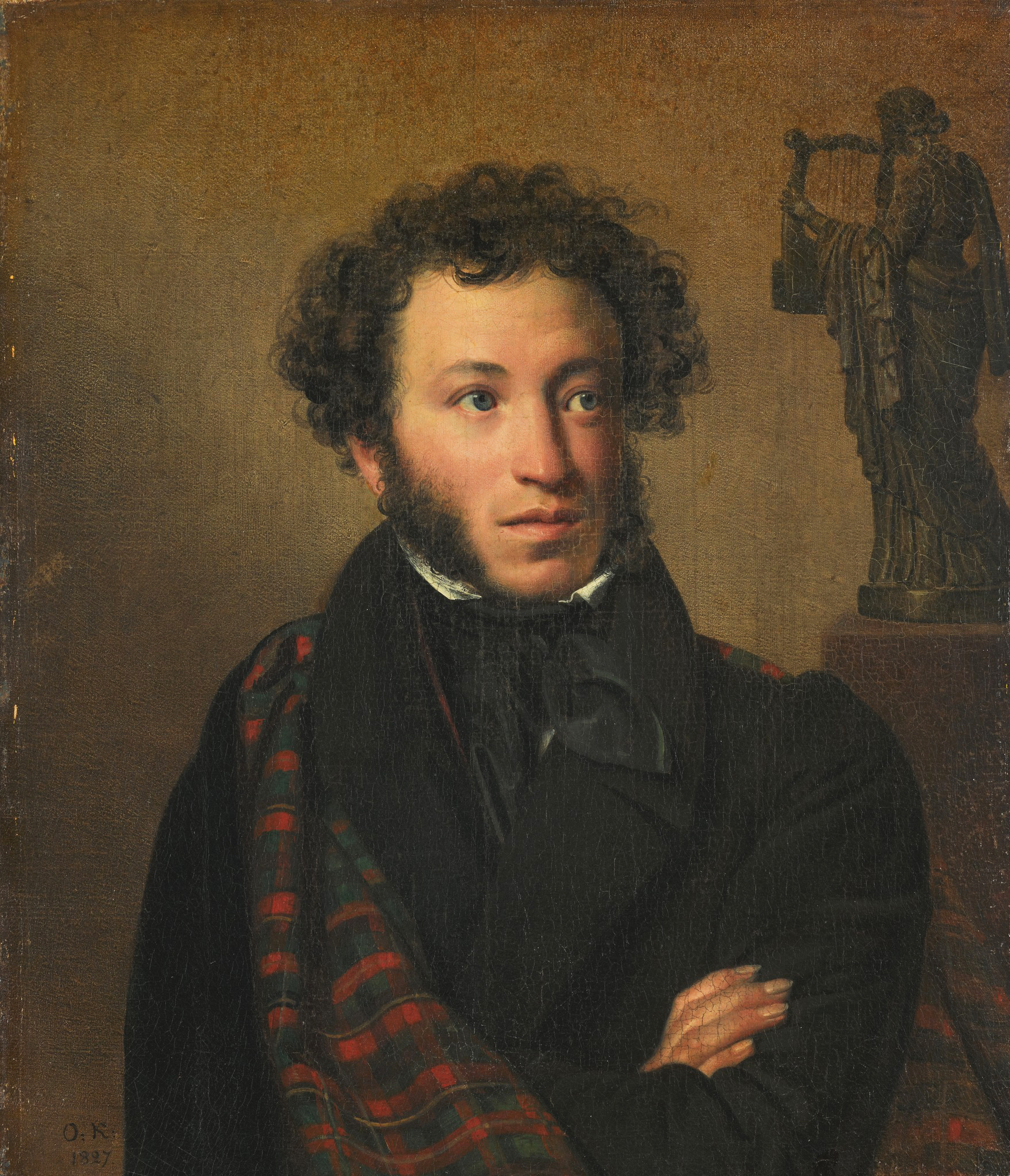
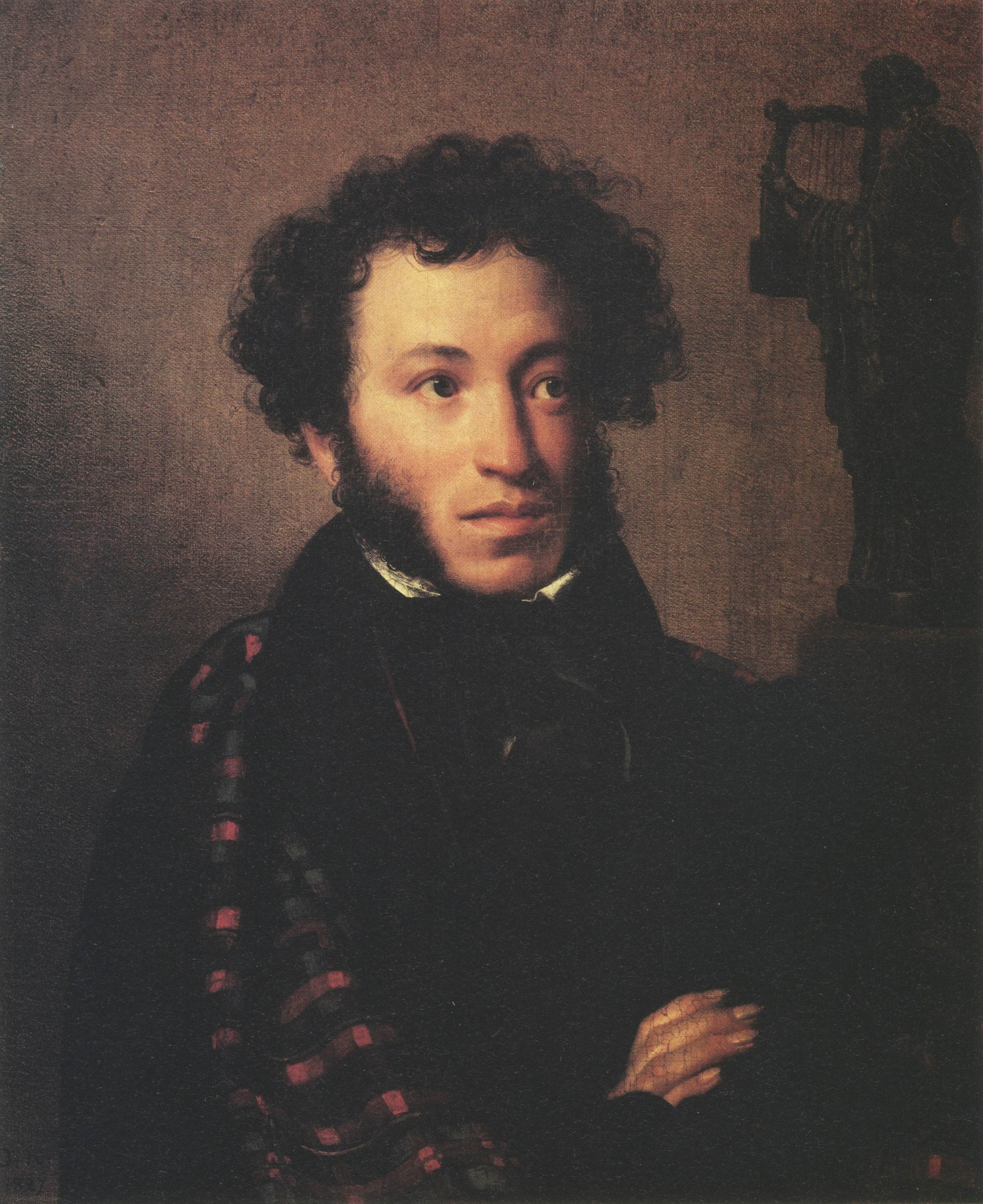
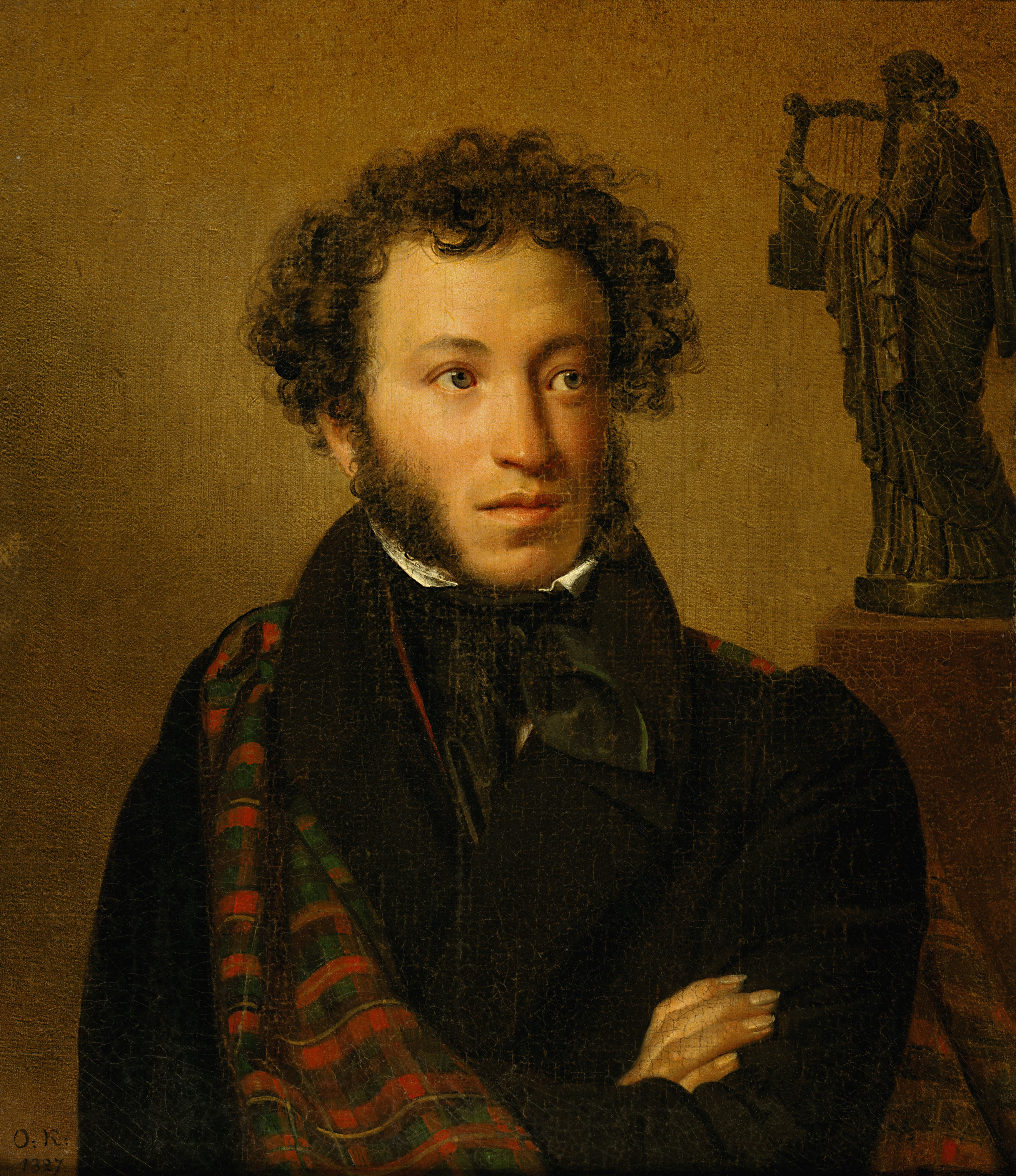


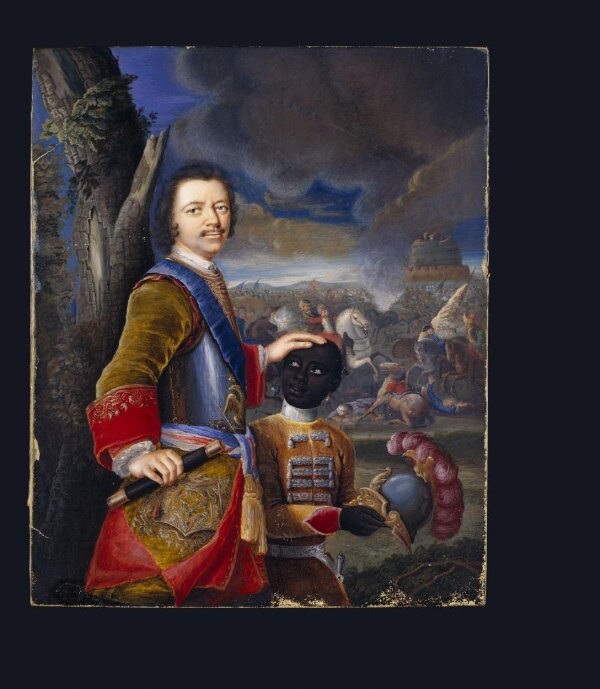
Portrait Miniature of Peter the Great with a Black Page
Mardefeld, Gustav von (Baron)
More from the Industrial Revolution


Explore what happened on the days that shaped Alexander Pushkin's life. Today In History connects historical figures with the events, births, and deaths that defined their era. Browse all historical figures or explore today's events.