Today In History logo TIH

Today In History

April 17 in History

Your birthday shares the stage with stories that shaped the world. Born on this day: Nikita Khrushchev, Victoria Beckham, and J. P. Morgan.

Luther Stands Firm: Diet of Worms Ignites the Reformation
1521Event

Luther Stands Firm: Diet of Worms Ignites the Reformation

Martin Luther stood before the Diet of Worms on April 17, 1521, and refused to recant a single word. "Unless I am convinced by the testimony of the Scriptures or by clear reason, I cannot and will not recant anything, since it is neither safe nor right to go against conscience," he declared. The famous closing phrase, "Here I stand, I can do no other," was likely added by sympathetic editors, but the substance of his defiance was real. A monk from Saxony had just told the Holy Roman Emperor, the Pope's representatives, and the princes of Germany that his conscience outweighed their combined authority. The hall erupted. Spanish members of Charles V's entourage shouted "To the fire!" Luther's German supporters cheered. The Emperor, who spoke no German, needed the speech translated before he grasped what had happened. Charles V wrote his own response that evening: he would stake his kingdoms, his friends, his body, his blood, and his soul on defending the Catholic faith against this single monk. The political and religious unity of Western Christendom, already strained, began to crack apart in that room. Luther was given a safe-conduct pass that technically protected him for twenty-one days. On the road back to Wittenberg, soldiers of Elector Frederick the Wise staged a fake kidnapping and spirited Luther to Wartburg Castle, where he spent the next ten months translating the New Testament into German. The translation, published in 1522, became one of the most influential books in German history, standardizing the written language and putting scripture directly into the hands of literate laypeople for the first time. The Diet of Worms issued the Edict of Worms on May 25, 1521, declaring Luther a heretic and outlaw whose works were to be burned. But the edict could not be enforced. German princes who resented papal taxation and imperial overreach protected Luther and his followers. Within a decade, entire regions had broken from Rome. The Reformation that Luther's stand at Worms ignited would split Europe along confessional lines, fuel a century of religious wars, and produce the denominational diversity that defines Christianity today.

Famous Birthdays

William Holden
William Holden

1918–1981

Karen Blixen

Karen Blixen

d. 1962

Maynard James Keenan

Maynard James Keenan

b. 1964

Roddy Piper

Roddy Piper

1954–2015

Sirimavo Bandaranaike

Sirimavo Bandaranaike

1916–2000

Alexander Cartwright

Alexander Cartwright

1820–1892

Ben Barnes

Ben Barnes

b. 1981

Joe Foss

Joe Foss

d. 2003

Lee Joon-gi

Lee Joon-gi

b. 1982

Historical Events

Martin Luther stood before the Diet of Worms on April 17, 1521, and refused to recant a single word. "Unless I am convinced by the testimony of the Scriptures or by clear reason, I cannot and will not recant anything, since it is neither safe nor right to go against conscience," he declared. The famous closing phrase, "Here I stand, I can do no other," was likely added by sympathetic editors, but the substance of his defiance was real. A monk from Saxony had just told the Holy Roman Emperor, the Pope's representatives, and the princes of Germany that his conscience outweighed their combined authority.

The hall erupted. Spanish members of Charles V's entourage shouted "To the fire!" Luther's German supporters cheered. The Emperor, who spoke no German, needed the speech translated before he grasped what had happened. Charles V wrote his own response that evening: he would stake his kingdoms, his friends, his body, his blood, and his soul on defending the Catholic faith against this single monk. The political and religious unity of Western Christendom, already strained, began to crack apart in that room.

Luther was given a safe-conduct pass that technically protected him for twenty-one days. On the road back to Wittenberg, soldiers of Elector Frederick the Wise staged a fake kidnapping and spirited Luther to Wartburg Castle, where he spent the next ten months translating the New Testament into German. The translation, published in 1522, became one of the most influential books in German history, standardizing the written language and putting scripture directly into the hands of literate laypeople for the first time.

The Diet of Worms issued the Edict of Worms on May 25, 1521, declaring Luther a heretic and outlaw whose works were to be burned. But the edict could not be enforced. German princes who resented papal taxation and imperial overreach protected Luther and his followers. Within a decade, entire regions had broken from Rome. The Reformation that Luther's stand at Worms ignited would split Europe along confessional lines, fuel a century of religious wars, and produce the denominational diversity that defines Christianity today.
1521

Martin Luther stood before the Diet of Worms on April 17, 1521, and refused to recant a single word. "Unless I am convinced by the testimony of the Scriptures or by clear reason, I cannot and will not recant anything, since it is neither safe nor right to go against conscience," he declared. The famous closing phrase, "Here I stand, I can do no other," was likely added by sympathetic editors, but the substance of his defiance was real. A monk from Saxony had just told the Holy Roman Emperor, the Pope's representatives, and the princes of Germany that his conscience outweighed their combined authority. The hall erupted. Spanish members of Charles V's entourage shouted "To the fire!" Luther's German supporters cheered. The Emperor, who spoke no German, needed the speech translated before he grasped what had happened. Charles V wrote his own response that evening: he would stake his kingdoms, his friends, his body, his blood, and his soul on defending the Catholic faith against this single monk. The political and religious unity of Western Christendom, already strained, began to crack apart in that room. Luther was given a safe-conduct pass that technically protected him for twenty-one days. On the road back to Wittenberg, soldiers of Elector Frederick the Wise staged a fake kidnapping and spirited Luther to Wartburg Castle, where he spent the next ten months translating the New Testament into German. The translation, published in 1522, became one of the most influential books in German history, standardizing the written language and putting scripture directly into the hands of literate laypeople for the first time. The Diet of Worms issued the Edict of Worms on May 25, 1521, declaring Luther a heretic and outlaw whose works were to be burned. But the edict could not be enforced. German princes who resented papal taxation and imperial overreach protected Luther and his followers. Within a decade, entire regions had broken from Rome. The Reformation that Luther's stand at Worms ignited would split Europe along confessional lines, fuel a century of religious wars, and produce the denominational diversity that defines Christianity today.

Japan forced China to sign the Treaty of Shimonoseki on April 17, 1895, ending the First Sino-Japanese War and announcing to the world that the balance of power in Asia had fundamentally shifted. The terms were devastating: China ceded Taiwan, the Pescadores Islands, and the Liaodong Peninsula to Japan, recognized Korean independence from Chinese suzerainty, opened four additional treaty ports, and paid an indemnity of 200 million taels of silver, roughly $150 million. Japan had defeated a country twenty-five times its size in eight months.

The war had begun in August 1894 over control of Korea, a nominal Chinese tributary state where both nations competed for influence. Japanese forces, modernized along Western lines since the Meiji Restoration, routed Chinese armies in Korea and Manchuria with superior tactics, training, and logistics. The Japanese navy destroyed China's Beiyang Fleet at the Battle of the Yalu River, proving that Asian nations could master Western military technology. Chinese forces, poorly coordinated between rival regional commanders, collapsed across every front.

The treaty was negotiated at Shimonoseki by Japanese Prime Minister Ito Hirobumi and Chinese statesman Li Hongzhang. During negotiations, a Japanese extremist shot Li in the face, an incident that embarrassed Japan and may have softened the final terms slightly. Japan's acquisition of Taiwan began fifty years of colonial rule that transformed the island and left a complicated legacy still felt in Taiwanese politics and identity.

European powers immediately intervened to limit Japan's gains. Russia, France, and Germany forced Japan to return the Liaodong Peninsula to China in the Triple Intervention of April 23, only to have Russia seize it for itself three years later. Japan's humiliation by this Western hypocrisy fed the resentment that led to the Russo-Japanese War of 1904-1905. The Treaty of Shimonoseki marked the moment when Japan replaced China as the dominant power in East Asia, a shift that would shape the region's history through two world wars and beyond.
1895

Japan forced China to sign the Treaty of Shimonoseki on April 17, 1895, ending the First Sino-Japanese War and announcing to the world that the balance of power in Asia had fundamentally shifted. The terms were devastating: China ceded Taiwan, the Pescadores Islands, and the Liaodong Peninsula to Japan, recognized Korean independence from Chinese suzerainty, opened four additional treaty ports, and paid an indemnity of 200 million taels of silver, roughly $150 million. Japan had defeated a country twenty-five times its size in eight months. The war had begun in August 1894 over control of Korea, a nominal Chinese tributary state where both nations competed for influence. Japanese forces, modernized along Western lines since the Meiji Restoration, routed Chinese armies in Korea and Manchuria with superior tactics, training, and logistics. The Japanese navy destroyed China's Beiyang Fleet at the Battle of the Yalu River, proving that Asian nations could master Western military technology. Chinese forces, poorly coordinated between rival regional commanders, collapsed across every front. The treaty was negotiated at Shimonoseki by Japanese Prime Minister Ito Hirobumi and Chinese statesman Li Hongzhang. During negotiations, a Japanese extremist shot Li in the face, an incident that embarrassed Japan and may have softened the final terms slightly. Japan's acquisition of Taiwan began fifty years of colonial rule that transformed the island and left a complicated legacy still felt in Taiwanese politics and identity. European powers immediately intervened to limit Japan's gains. Russia, France, and Germany forced Japan to return the Liaodong Peninsula to China in the Triple Intervention of April 23, only to have Russia seize it for itself three years later. Japan's humiliation by this Western hypocrisy fed the resentment that led to the Russo-Japanese War of 1904-1905. The Treaty of Shimonoseki marked the moment when Japan replaced China as the dominant power in East Asia, a shift that would shape the region's history through two world wars and beyond.

Fourteen hundred Cuban exiles stormed ashore at the Bay of Pigs on April 17, 1961, expecting American air support that never fully arrived and a popular uprising that never materialized. Brigade 2506, trained and armed by the CIA at camps in Guatemala, hit the beaches at Playa Giron and Playa Larga on Cuba's southern coast in a predawn amphibious assault. Within 72 hours, Castro's military had killed 114 invaders, captured 1,189, and humiliated the most powerful nation on earth.

The operation had been conceived under Eisenhower and inherited by Kennedy, who approved it with fatal modifications. Kennedy, worried about the appearance of direct American involvement, canceled a second round of air strikes meant to destroy Castro's remaining air force on the morning of the invasion. Castro's pilots, flying T-33 jets and Sea Fury fighters, sank two of the brigade's supply ships, destroying most of their ammunition and communications equipment. Without air cover or resupply, the invasion force was trapped on a swampy beachhead with the sea at their backs.

Kennedy's advisers had assured him that even if the landing failed, the brigade could melt into the Escambray Mountains and wage guerrilla warfare. They neglected to mention that the Escambray range was eighty miles from the Bay of Pigs across impassable swampland. The CIA had also wildly overestimated internal opposition to Castro, whose 1959 revolution was barely two years old and still popular among the Cuban majority. Anti-Castro guerrillas in the mountains had already been largely suppressed.

The disaster had consequences far beyond the Caribbean. Kennedy, embarrassed, became more cautious about overt intervention and more aggressive about covert operations. The CIA launched Operation Mongoose, a sabotage campaign against Cuba that included assassination attempts on Castro. Castro, convinced another invasion was coming, deepened his alliance with the Soviet Union. Eighteen months later, that alliance produced the Cuban Missile Crisis, bringing the world closer to nuclear war than at any point before or since. The Bay of Pigs cost 1,300 casualties; its aftershocks nearly cost everything.
1961

Fourteen hundred Cuban exiles stormed ashore at the Bay of Pigs on April 17, 1961, expecting American air support that never fully arrived and a popular uprising that never materialized. Brigade 2506, trained and armed by the CIA at camps in Guatemala, hit the beaches at Playa Giron and Playa Larga on Cuba's southern coast in a predawn amphibious assault. Within 72 hours, Castro's military had killed 114 invaders, captured 1,189, and humiliated the most powerful nation on earth. The operation had been conceived under Eisenhower and inherited by Kennedy, who approved it with fatal modifications. Kennedy, worried about the appearance of direct American involvement, canceled a second round of air strikes meant to destroy Castro's remaining air force on the morning of the invasion. Castro's pilots, flying T-33 jets and Sea Fury fighters, sank two of the brigade's supply ships, destroying most of their ammunition and communications equipment. Without air cover or resupply, the invasion force was trapped on a swampy beachhead with the sea at their backs. Kennedy's advisers had assured him that even if the landing failed, the brigade could melt into the Escambray Mountains and wage guerrilla warfare. They neglected to mention that the Escambray range was eighty miles from the Bay of Pigs across impassable swampland. The CIA had also wildly overestimated internal opposition to Castro, whose 1959 revolution was barely two years old and still popular among the Cuban majority. Anti-Castro guerrillas in the mountains had already been largely suppressed. The disaster had consequences far beyond the Caribbean. Kennedy, embarrassed, became more cautious about overt intervention and more aggressive about covert operations. The CIA launched Operation Mongoose, a sabotage campaign against Cuba that included assassination attempts on Castro. Castro, convinced another invasion was coming, deepened his alliance with the Soviet Union. Eighteen months later, that alliance produced the Cuban Missile Crisis, bringing the world closer to nuclear war than at any point before or since. The Bay of Pigs cost 1,300 casualties; its aftershocks nearly cost everything.

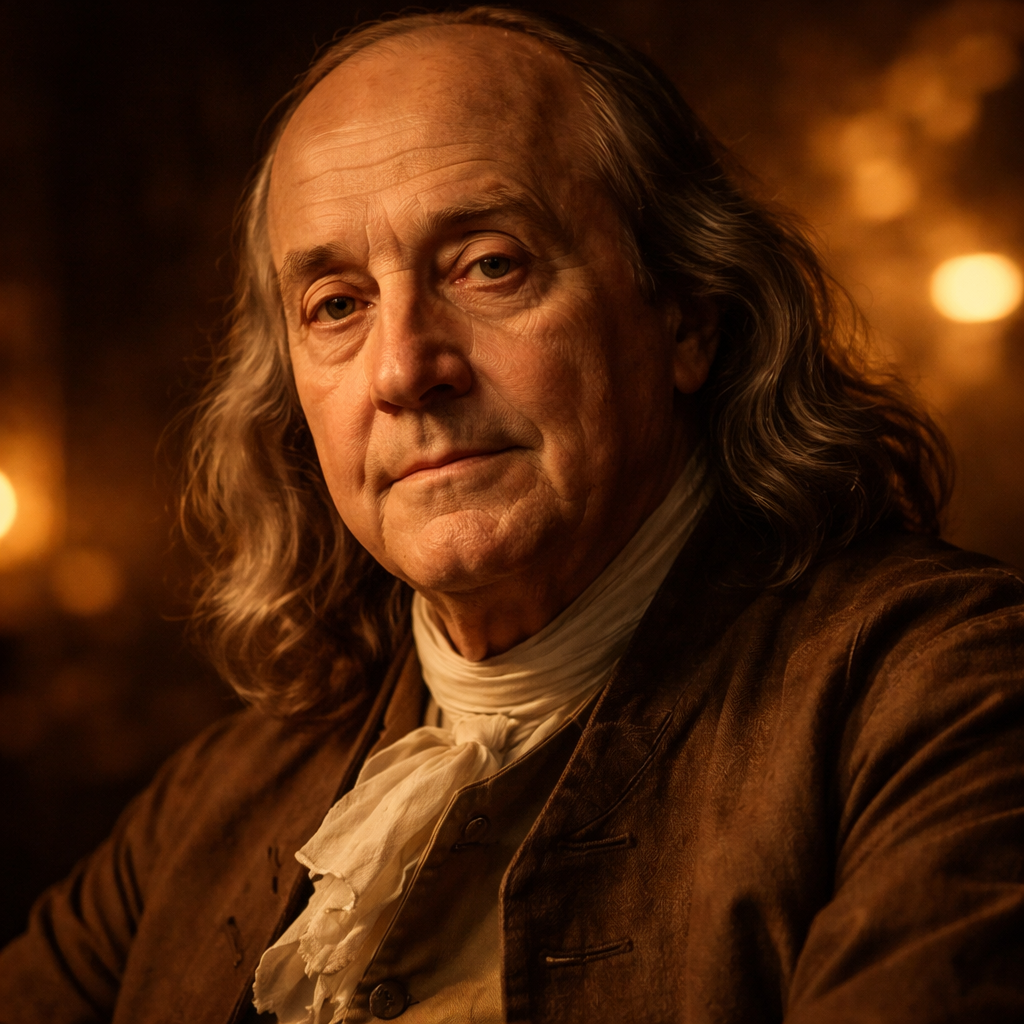
Benjamin Franklin died in Philadelphia on April 17, 1790, at the age of 84, having lived long enough to see the Constitution ratified and the new republic he had helped create take its first uncertain steps. He was the only Founding Father to sign all four foundational documents of the United States: the Declaration of Independence, the Treaty of Alliance with France, the Treaty of Paris ending the Revolutionary War, and the Constitution. His funeral procession drew an estimated 20,000 mourners, the largest public gathering in American history at that time.

Franklin's career was so varied that no single description captures it. He was a printer who retired wealthy at 42, a scientist whose experiments with electricity made him the most famous American in Europe, a diplomat who secured the French alliance that made independence possible, and a civic innovator who founded Philadelphia's first lending library, fire department, hospital, and university. His autobiography, left unfinished at his death, became one of the foundational texts of the American self-made man.

His final public act was characteristically bold. Two months before his death, Franklin signed a petition to Congress urging the abolition of slavery, submitted in his capacity as president of the Pennsylvania Abolition Society. Southern congressmen were furious. Franklin responded with a devastating satirical essay, his last published writing, in which he invented a fictional North African pirate defending the enslavement of Christians using precisely the same arguments that American slaveholders used to justify enslaving Africans.

The French National Assembly declared three days of mourning for Franklin, a honor it had extended to no other foreigner. The contrast with his own government was pointed. Congress debated whether to observe a month of mourning and decided against it, with Southern members objecting to honoring a man who had attacked slavery. Franklin had requested a simple burial. His gravestone in Christ Church Burial Ground reads only "Benjamin and Deborah Franklin," a modest marker for a man who invented the lightning rod, bifocal glasses, and a nation.
1790

Benjamin Franklin died in Philadelphia on April 17, 1790, at the age of 84, having lived long enough to see the Constitution ratified and the new republic he had helped create take its first uncertain steps. He was the only Founding Father to sign all four foundational documents of the United States: the Declaration of Independence, the Treaty of Alliance with France, the Treaty of Paris ending the Revolutionary War, and the Constitution. His funeral procession drew an estimated 20,000 mourners, the largest public gathering in American history at that time. Franklin's career was so varied that no single description captures it. He was a printer who retired wealthy at 42, a scientist whose experiments with electricity made him the most famous American in Europe, a diplomat who secured the French alliance that made independence possible, and a civic innovator who founded Philadelphia's first lending library, fire department, hospital, and university. His autobiography, left unfinished at his death, became one of the foundational texts of the American self-made man. His final public act was characteristically bold. Two months before his death, Franklin signed a petition to Congress urging the abolition of slavery, submitted in his capacity as president of the Pennsylvania Abolition Society. Southern congressmen were furious. Franklin responded with a devastating satirical essay, his last published writing, in which he invented a fictional North African pirate defending the enslavement of Christians using precisely the same arguments that American slaveholders used to justify enslaving Africans. The French National Assembly declared three days of mourning for Franklin, a honor it had extended to no other foreigner. The contrast with his own government was pointed. Congress debated whether to observe a month of mourning and decided against it, with Southern members objecting to honoring a man who had attacked slavery. Franklin had requested a simple burial. His gravestone in Christ Church Burial Ground reads only "Benjamin and Deborah Franklin," a modest marker for a man who invented the lightning rod, bifocal glasses, and a nation.

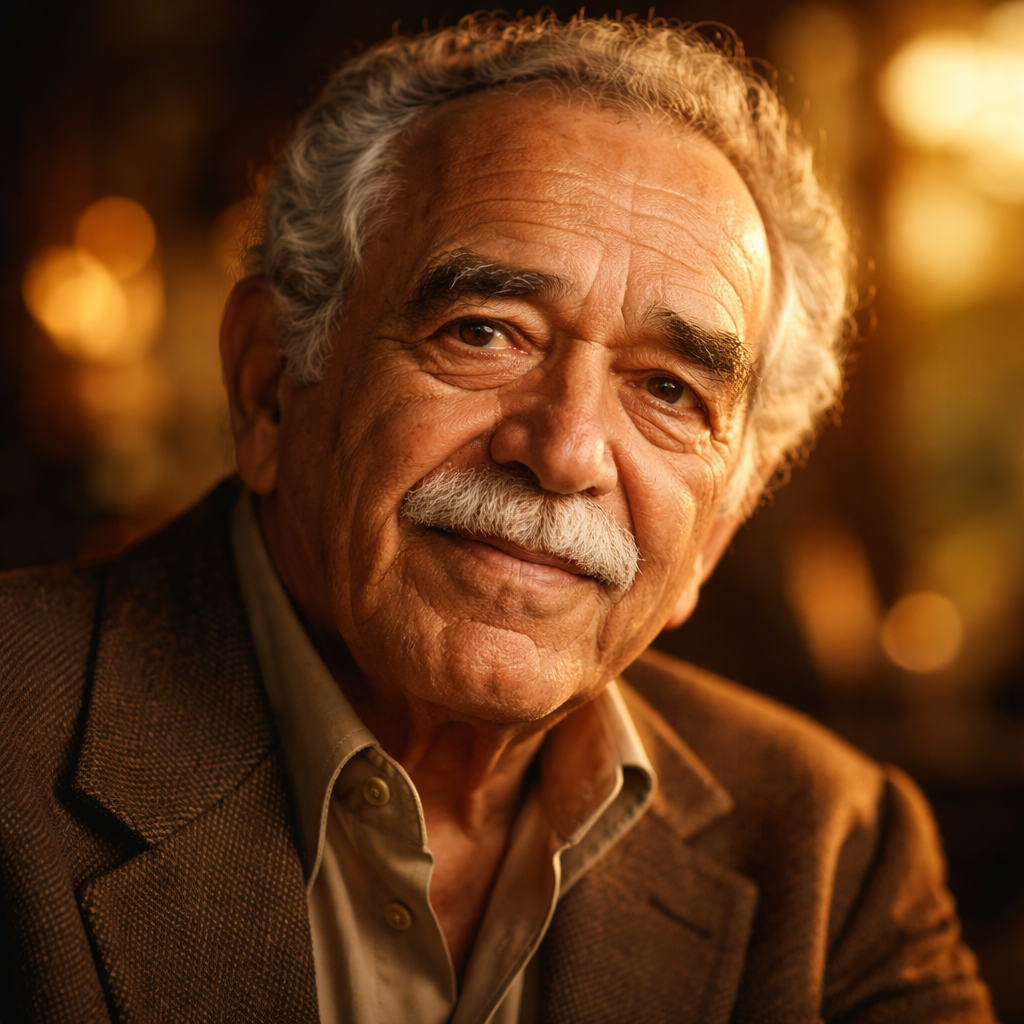
Gabriel Garcia Marquez died in Mexico City on April 17, 2014, at the age of 87, and with him went the man who had taught the world to read Latin America on its own terms. He wrote One Hundred Years of Solitude in eighteen months of unbroken concentration between 1965 and 1966 while his family survived on credit from their Mexico City butcher and landlord. His wife Mercedes sold their car, their heater, and her hair dryer to keep the household fed. When he emerged with the manuscript, he told her it was either a masterpiece or a disaster.

The novel, published in 1967, sold out its initial Argentine print run of 8,000 copies within a week. It told the hundred-year saga of the Buendia family in the fictional town of Macondo, a place where the miraculous and the mundane coexisted without contradiction. Ice was a wonder; ghosts were household irritants; a girl ascended to heaven while hanging laundry. Garcia Marquez called this "magical realism," though he insisted that everything in his fiction had a basis in the daily reality of Colombian life, where the extraordinary was simply ordinary.

Born in Aracataca, Colombia, in 1927, Garcia Marquez was raised by his maternal grandparents, whose storytelling shaped his narrative voice permanently. His grandmother delivered the most fantastical claims in a flat, matter-of-fact tone that he would adopt as his literary signature. He worked as a journalist for years before turning to fiction, and his reporter's discipline with concrete detail gave his most extravagant inventions their peculiar authority.

The Nobel Prize in Literature arrived in 1982, and Garcia Marquez accepted it wearing a white liqui-liqui suit rather than the expected tuxedo. His acceptance speech, "The Solitude of Latin America," argued that the continent's reality was so extraordinary that it required new literary forms to capture it. One Hundred Years of Solitude has sold more than 50 million copies in 46 languages, making it the most widely read novel ever written in Spanish. Colombia declared three days of national mourning upon his death.
2014

Gabriel Garcia Marquez died in Mexico City on April 17, 2014, at the age of 87, and with him went the man who had taught the world to read Latin America on its own terms. He wrote One Hundred Years of Solitude in eighteen months of unbroken concentration between 1965 and 1966 while his family survived on credit from their Mexico City butcher and landlord. His wife Mercedes sold their car, their heater, and her hair dryer to keep the household fed. When he emerged with the manuscript, he told her it was either a masterpiece or a disaster. The novel, published in 1967, sold out its initial Argentine print run of 8,000 copies within a week. It told the hundred-year saga of the Buendia family in the fictional town of Macondo, a place where the miraculous and the mundane coexisted without contradiction. Ice was a wonder; ghosts were household irritants; a girl ascended to heaven while hanging laundry. Garcia Marquez called this "magical realism," though he insisted that everything in his fiction had a basis in the daily reality of Colombian life, where the extraordinary was simply ordinary. Born in Aracataca, Colombia, in 1927, Garcia Marquez was raised by his maternal grandparents, whose storytelling shaped his narrative voice permanently. His grandmother delivered the most fantastical claims in a flat, matter-of-fact tone that he would adopt as his literary signature. He worked as a journalist for years before turning to fiction, and his reporter's discipline with concrete detail gave his most extravagant inventions their peculiar authority. The Nobel Prize in Literature arrived in 1982, and Garcia Marquez accepted it wearing a white liqui-liqui suit rather than the expected tuxedo. His acceptance speech, "The Solitude of Latin America," argued that the continent's reality was so extraordinary that it required new literary forms to capture it. One Hundred Years of Solitude has sold more than 50 million copies in 46 languages, making it the most widely read novel ever written in Spanish. Colombia declared three days of national mourning upon his death.

1925

Kim Yong-bom and Pak Hon-yong founded the Communist Party of Korea in 1925, meeting in secret in Keijo while Japanese colonial police monitored every suspicious gathering. They risked execution for organizing under occupation. Years later, those same men would help shape the North Korean government and the conflict that tore families apart across the peninsula. The party's founding took place on April 17, 1925, during the period of Japanese colonial rule that had begun with the annexation of Korea in 1910. Japanese authorities maintained an extensive surveillance network targeting Korean political organizations, and the founding meeting was conducted under conditions of extreme secrecy. The new party aligned itself with the Comintern in Moscow, receiving funding and ideological direction from the Soviet Union. Pak Hon-yong emerged as the party's most significant leader, organizing labor strikes and peasant movements throughout the 1920s and 1930s while repeatedly evading Japanese arrest. The party was suppressed multiple times by Japanese authorities, with waves of arrests decimating its membership. After Japan's defeat in 1945 and Korea's division along the 38th parallel, the Communist Party split between north and south. Kim Il-sung, a different figure from the party's founders, consolidated power in the north with Soviet backing, while Pak Hon-yong led the southern branch and eventually fled north. Pak served as North Korea's foreign minister and was instrumental in planning the Korean War invasion of 1950, reportedly assuring Kim Il-sung that 200,000 southern communists would rise in support. When the anticipated uprising failed to materialize, Pak was blamed, arrested in 1953, and executed in 1955 after a show trial. The party founded in secret in 1925 had consumed its own creators.

Khmer Rouge soldiers marched into Phnom Penh on April 17, 1975, and immediately began emptying the city. At gunpoint, they ordered the entire urban population of roughly two million people to leave their homes and walk into the countryside. Hospital patients were pushed into the streets in their beds. Families were separated. Anyone who resisted or moved too slowly was shot. Within days, Phnom Penh, a city of French colonial boulevards and Buddhist temples, was a ghost town.

The Khmer Rouge, led by the French-educated Communist Pol Pot, had spent five years fighting a guerrilla war from the Cambodian jungle before their final victory. The movement's ideology was an extreme agrarian communism that rejected cities, money, private property, religion, and formal education as corruptions of an idealized peasant past. "Year Zero" began the moment they took the capital. The entire population was to be reorganized into agricultural communes, and Cambodia's history before the revolution was to be erased.

The evacuation of Phnom Penh was the first act of a genocide that killed an estimated 1.7 to 2.5 million Cambodians over the next four years, roughly a quarter of the country's population. Executions accounted for a large share of the deaths, but many more died from forced labor, starvation, and disease in the rural work camps. The Khmer Rouge targeted anyone with education, professional skills, or connections to the former government. Wearing glasses was considered evidence of intellectual status and could be a death sentence.

The regime collapsed when Vietnam invaded in December 1978, capturing Phnom Penh in January 1979 and driving the Khmer Rouge back into the jungle. The Vietnamese found a country in ruins, with schools and hospitals closed, currency abolished, and entire families wiped out. Pol Pot retreated to the Thai border and continued fighting as a guerrilla for two more decades. He died in 1998 without facing trial. The Khmer Rouge tribunal, established in 2006, convicted only three senior leaders before concluding its work, leaving most of the regime's crimes officially unpunished.
1975

Khmer Rouge soldiers marched into Phnom Penh on April 17, 1975, and immediately began emptying the city. At gunpoint, they ordered the entire urban population of roughly two million people to leave their homes and walk into the countryside. Hospital patients were pushed into the streets in their beds. Families were separated. Anyone who resisted or moved too slowly was shot. Within days, Phnom Penh, a city of French colonial boulevards and Buddhist temples, was a ghost town. The Khmer Rouge, led by the French-educated Communist Pol Pot, had spent five years fighting a guerrilla war from the Cambodian jungle before their final victory. The movement's ideology was an extreme agrarian communism that rejected cities, money, private property, religion, and formal education as corruptions of an idealized peasant past. "Year Zero" began the moment they took the capital. The entire population was to be reorganized into agricultural communes, and Cambodia's history before the revolution was to be erased. The evacuation of Phnom Penh was the first act of a genocide that killed an estimated 1.7 to 2.5 million Cambodians over the next four years, roughly a quarter of the country's population. Executions accounted for a large share of the deaths, but many more died from forced labor, starvation, and disease in the rural work camps. The Khmer Rouge targeted anyone with education, professional skills, or connections to the former government. Wearing glasses was considered evidence of intellectual status and could be a death sentence. The regime collapsed when Vietnam invaded in December 1978, capturing Phnom Penh in January 1979 and driving the Khmer Rouge back into the jungle. The Vietnamese found a country in ruins, with schools and hospitals closed, currency abolished, and entire families wiped out. Pol Pot retreated to the Thai border and continued fighting as a guerrilla for two more decades. He died in 1998 without facing trial. The Khmer Rouge tribunal, established in 2006, convicted only three senior leaders before concluding its work, leaving most of the regime's crimes officially unpunished.

Barbara Bush died at 92, the matriarch of a political dynasty that produced two presidents and a governor. Her lifelong advocacy for literacy education through the Barbara Bush Foundation reached millions of disadvantaged readers, while she became only the second woman in American history to be both wife and mother of a president. Born Barbara Pierce on June 8, 1925, in New York City, she grew up in the affluent suburb of Rye and met George H. W. Bush at a Christmas dance when she was sixteen. They married in 1945 and had six children, including George W. Bush, the 43rd president, and Jeb Bush, governor of Florida. Her second child, Robin, died of leukemia at age three in 1953, a loss that shaped her character and her commitment to charitable causes for the rest of her life. As First Lady from 1989 to 1993, she made family literacy her signature cause, establishing the Barbara Bush Foundation for Family Literacy in 1989, which raised over $110 million for literacy programs across the United States. She was known for her sharp wit, her white hair (she stopped dyeing it after Robin's death), and her willingness to speak bluntly in a political culture that rewarded evasion. She was publicly popular in a way that transcended partisan politics, maintaining approval ratings that consistently exceeded her husband's. Only Abigail Adams, wife of John Adams and mother of John Quincy Adams, shares her distinction of being both a presidential wife and presidential mother. She died on April 17, 2018, in Houston, having chosen to forgo further medical treatment in favor of comfort care.
2018

Barbara Bush died at 92, the matriarch of a political dynasty that produced two presidents and a governor. Her lifelong advocacy for literacy education through the Barbara Bush Foundation reached millions of disadvantaged readers, while she became only the second woman in American history to be both wife and mother of a president. Born Barbara Pierce on June 8, 1925, in New York City, she grew up in the affluent suburb of Rye and met George H. W. Bush at a Christmas dance when she was sixteen. They married in 1945 and had six children, including George W. Bush, the 43rd president, and Jeb Bush, governor of Florida. Her second child, Robin, died of leukemia at age three in 1953, a loss that shaped her character and her commitment to charitable causes for the rest of her life. As First Lady from 1989 to 1993, she made family literacy her signature cause, establishing the Barbara Bush Foundation for Family Literacy in 1989, which raised over $110 million for literacy programs across the United States. She was known for her sharp wit, her white hair (she stopped dyeing it after Robin's death), and her willingness to speak bluntly in a political culture that rewarded evasion. She was publicly popular in a way that transcended partisan politics, maintaining approval ratings that consistently exceeded her husband's. Only Abigail Adams, wife of John Adams and mother of John Quincy Adams, shares her distinction of being both a presidential wife and presidential mother. She died on April 17, 2018, in Houston, having chosen to forgo further medical treatment in favor of comfort care.

1080

A crown slipped off a dying king's head in 1080, but Harald III left behind a throne that felt like a trap for his nephew. Canute IV took over, not just to rule lands, but to fight the Church's power with iron fists and burning taxes. He demanded tithes from peasants who barely had enough grain to survive the winter. That greed turned the people against him, leading to his brutal murder in a church ten years later. Now, you know why he's a saint: not because he was perfect, but because he died trying to fix what he broke.

1397

A poet named Chaucer didn't just read to King Richard II; he gambled his reputation on a ragtag group of pilgrims in 1397. While the court dined, Chaucer introduced a miller who stole dough and a prioress who cared more for her lapdogs than her vows. These were real people with real flaws, not saints. That bold choice turned English from a language of kings into a language of neighbors. We still argue about that pilgrim's wine today.

1492

They signed away a fortune for 10% of future profits, promising titles to nobility and a single ship called the Santa Maria. But the human cost was immediate: sailors faced months of starvation while their captain insisted on a route that didn't exist. That night in Santa Fe, they sealed a deal where greed outpaced geography. You'll tell your friends about the math that went wrong. It wasn't a discovery; it was a gamble where the house always wins, but nobody ever gets to leave the table.

1555

They drank rainwater from cracked cisterns for a year and a half while the walls crumbled. When the gates finally opened in April 1555, the starving defenders didn't fight; they just wept as Cosimo I's troops marched into their beloved city-state. This wasn't just a new map; it was the moment Siena lost its soul to Florence forever. Now, every time you see those striped flags on a church roof, remember: that pattern is a ghost of a republic that died in silence.

1783

A Spanish captain didn't just hold ground; he burned a British fort down while the Americans watched from across the river. Jacobo du Breuil led thirty men into Arkansas Post, torching supplies and sending the irregulars scrambling for their lives in the dark. They claimed victory without firing a single shot that mattered, yet the smoke lingered over the Mississippi for days. This raid convinced the British to finally pack up and leave the region entirely. It wasn't about flags; it was about who controlled the river when the sun came up.

1797

Imagine the smell of burning straw in Verona's narrow streets. That's where eight days of chaos began for citizens fighting French troops. They weren't just protesting; they were desperate, starving, and outgunned. By the end, hundreds lay dead or imprisoned while the French tightened their grip on Italy. People still whisper about that failed uprising at dinner parties today. It wasn't a glorious victory, but a brutal reminder of how quickly hope turns to ash when you stand alone against an empire.

1815

Eighty thousand people vanished in a single afternoon when Mount Tambora exploded. The blast blew the entire top off the mountain, sending ash clouds high enough to block out the sun for years. Farmers in Java watched their rice crops turn black and die, while families in Europe faced freezing summers and starvation in 1816. That "Year Without a Summer" didn't just cool the planet; it forced Mary Shelley to write *Frankenstein* indoors because the rain never stopped. We remember the volcano's fury today not for its power, but for how a single eruption stole our summer forever.

Fun Facts

Zodiac Sign

Aries

Mar 21 -- Apr 19

Fire sign. Courageous, energetic, and confident.

Birthstone

Diamond

Clear

Symbolizes eternal love, strength, and invincibility.

Next Birthday

--

days until April 17

Quote of the Day

“A man always has two reasons for doing anything: a good reason and the real reason.”

Share Your Birthday

Create a beautiful birthday card with events and famous birthdays for April 17.

Create Birthday Card

Explore Nearby Dates

Popular Dates

Explore more about April 17 in history. See the full date page for all events, browse April, or look up another birthday. Play history games or talk to historical figures.