

Historical Figure
J. P. Morgan
d. 1913
American financier, banker, and art collector (1837–1913)
Talk to J. P. Morgan
Have a conversation with this historical figure through AI
Biography
John Pierpont Morgan Sr. was an American financier and investment banker who dominated corporate finance on Wall Street throughout the Gilded Age and Progressive Era. As the head of the banking firm that ultimately became known as JPMorgan Chase & Co., he was a driving force behind the wave of industrial consolidations in the United States at the turn of the twentieth century.
Timeline
The story of J. P. Morgan, told in moments.
Founded the banking house that would bear his name. By his forties he controlled railroads, shipping lines, and steel companies. He reorganized bankrupt railroads the way a surgeon removes damaged tissue.
Created U.S. Steel by buying out Andrew Carnegie for $480 million. The first billion-dollar corporation in history. When Carnegie said "I made you a rich man," Morgan replied, "I owe you one, Mr. Carnegie."
Personally stopped the Panic of 1907 by locking bankers in his library and refusing to let them leave until they pledged their own money to stabilize the markets. The crisis proved that one man shouldn't have that much power. Congress created the Federal Reserve.
Died in Rome at 75. His art collection filled most of the Metropolitan Museum of Art. His estate was worth roughly $80 million. Rockefeller, hearing the figure, reportedly said: "And to think he wasn't even a rich man."
In Their Own Words (6)
It will fluctuate.
Said of the stock market, as quoted in Jean Strouse, Morgan: American Financier (Random House, 1999), p. 11, 1999
If you have to ask the price, you can't afford it.
About purchasing a yacht; quoted in "Business Education World" (Gregg Publishing Company, 1961), 1961
The first thing [in credit] is character … before money or anything else. Money cannot buy it.… A man I do not trust could not get money from me on all the bonds in Christendom. I think that is the fundamental basis of business.
1912
[Credit] is an evidence of banking, but it is not the money itself. Money is gold, and nothing else.
1912
I owe the public nothing.
Quoted in the New York World (11 May 1901) during the Northern Pacific Corner. See Morgan: American Financier by Jean Strouse, 1901
Artifacts (15)
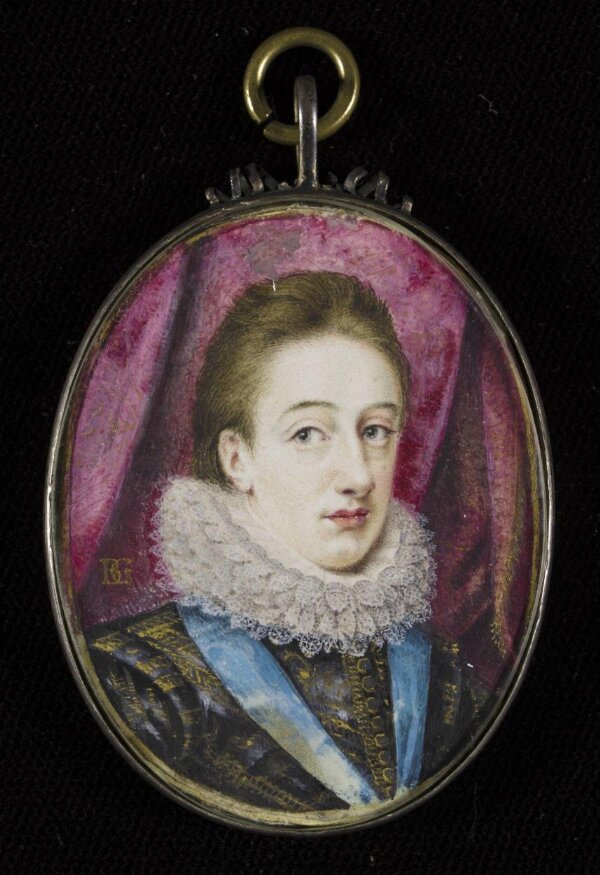
Portrait Miniature of Charles I, perhaps when Prince of Wales
Gerbier, Balthazar (Sir)
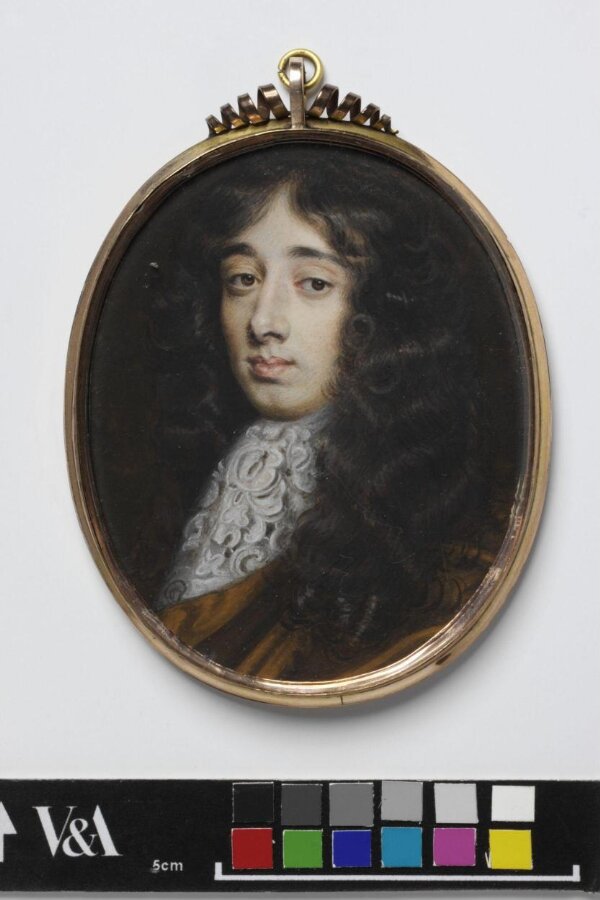
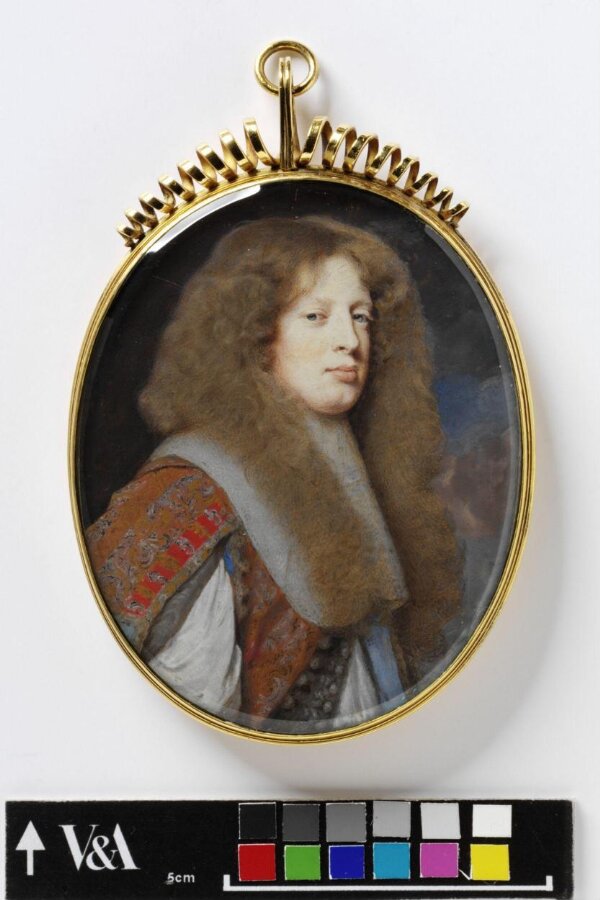
Portrait Miniature of an Unknown Man, perhaps Anthony Ashley-Cooper, 2nd Earl of Shaftesbury
Cooper, Samuel
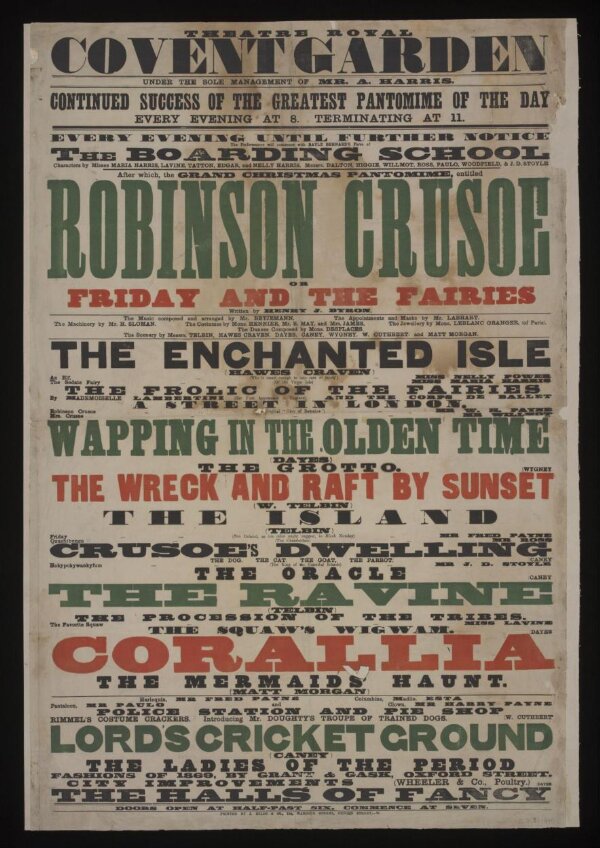
Poster advertising The Boarding School followed by Robinson Crusoe, or, Friday and the Fairies
J. Miles & Co.
Iraqi military strategy during the eight-year Iran-Iraq war
the College of Engineering, and obtained a Bachelor of Engineering from the University of Baghdad. He wrote his master's thesis on "Iraqi military strategy during the eight-year Iran-Iraq war". He...
He was not impotent because the injury was far from the reproductive system.
to Uday's brutal reputation with women. According to Alaa Bashir, the surgeon who operated on Uday, "He was not impotent because the injury was far from the reproductive system." He said that Uday...
While Iraqis are suffering from the embargo, this situation may send a false mes...
difficulty walking angered Saddam, who ordered the garage for Uday's luxury cars to be burned down. Saddam said at the time, "While Iraqis are suffering from the embargo, this situation may send a...
With a loudspeaker, Uday said to him 'You and your brother have to divorce the g...
ster, Uday became a supporter of the decision to execute Husayn Kamil and his brother."On that day, Janabi said, "With a loudspeaker, Uday said to him 'You and your brother have to divorce the...
Related Historical Figures


Explore what happened on the days that shaped J. P. Morgan's life. Today In History connects historical figures with the events, births, and deaths that defined their era. Browse all historical figures or explore today's events.