
Today In History logo TIH

Today In History

April 19 in History

Your birthday shares the stage with stories that shaped the world. Born on this day: Luis Miguel, Getúlio Vargas, and Glenn Seaborg.

Oklahoma City Bombed: America's Deadliest Domestic Terror
1995Event

Oklahoma City Bombed: America's Deadliest Domestic Terror

A Ryder truck packed with 4,800 pounds of ammonium nitrate and nitromethane fuel detonated outside the Alfred P. Murrah Federal Building in Oklahoma City at 9:02 AM on April 19, 1995, killing 168 people and injuring more than 680. The blast carved a crater thirty feet wide and eight feet deep, collapsed the building's entire north face, and damaged or destroyed 324 buildings within a sixteen-block radius. Nineteen of the dead were children in the building's second-floor daycare center, America's Tiny Tot Daycare, which took the full force of the explosion. Timothy McVeigh, a 27-year-old Army veteran who had served in the Gulf War and earned a Bronze Star, built and detonated the bomb with help from his co-conspirator Terry Nichols. McVeigh chose the date deliberately: April 19 was the second anniversary of the federal assault on the Branch Davidian compound in Waco, Texas, which had killed 76 people. He viewed the Oklahoma City bombing as retaliation against a federal government he considered tyrannical, targeting a building that housed offices of the ATF, DEA, and other federal agencies he blamed for Waco and the Ruby Ridge standoff. Initial speculation pointed to Middle Eastern terrorists. Within ninety minutes of the blast, McVeigh was pulled over by Oklahoma state trooper Charlie Hanger for driving without a license plate, sixty miles north of Oklahoma City. Hanger arrested him for carrying a concealed weapon. McVeigh sat in a county jail for two days, nearly released on bail, before FBI investigators matched his description to witness accounts. The speed of his capture was a matter of luck rather than investigation. McVeigh was convicted and executed by lethal injection on June 11, 2001. Nichols received life without parole. The bombing prompted massive increases in federal building security, including vehicle barriers, reinforced construction, and setback requirements that reshaped government architecture. It also shattered the assumption that terrorism in America was a foreign threat. The deadliest attack on American soil before September 11 was committed by a decorated American soldier.

Famous Birthdays

Getúlio Vargas

Getúlio Vargas

1882–1954

Glenn Seaborg

Glenn Seaborg

b. 1912

Gustavo Petro

Gustavo Petro

b. 1960

Al Unser

Al Unser

b. 1939

Alan Price

Alan Price

b. 1941

Bob Rock

Bob Rock

b. 1954

Erich Hartmann

Erich Hartmann

d. 1993

Himchan

Himchan

b. 1990

James Heckman

James Heckman

b. 1944

Joseph Estrada

Joseph Estrada

b. 1937

Mswati III of Swaziland

Mswati III of Swaziland

b. 1968

Historical Events

John Adams secured the Dutch Republic's formal recognition of the United States on April 19, 1782, making the Netherlands the second country after France to acknowledge American independence. The recognition came with a loan of five million guilders that kept the Continental Congress solvent during the final years of the Revolutionary War. Adams had spent two years in The Hague enduring what he called "the most humiliating, the most laborious, and the most disagreeable of all my diplomatic experiences," pressing his case in a country that feared provoking Britain.

The Dutch Republic was a natural ally for the rebellious colonies. Both nations had fought wars of independence against larger imperial powers, and Dutch merchants saw commercial opportunity in an American republic free from British trade restrictions. But the ruling House of Orange maintained close ties to Britain, and the States-General moved with agonizing deliberation. Adams, who lacked the social graces that made Benjamin Franklin so effective in Paris, compensated with relentless persistence, submitting memorials to every provincial assembly and courting individual regents.

Britain's declaration of war on the Netherlands in December 1780, provoked by Dutch merchants trading with the Americans, paradoxically accelerated recognition. The war damaged Dutch commerce and removed the primary reason for Dutch caution. Adams published his memorial to the States-General, which argued that Dutch and American interests were naturally aligned, and public opinion shifted decisively in his favor. Recognition came with diplomatic reception, commercial treaty, and the financial lifeline Adams had been seeking.

The Dutch loans, which eventually totaled approximately 30 million guilders, were critical to American survival. Congress was bankrupt, unable to pay soldiers or suppliers, and French assistance alone was insufficient. Dutch banking houses, particularly the firms of Willink and Van Staphorst in Amsterdam, continued lending to the United States throughout the 1780s. Adams regarded the Dutch recognition as his greatest diplomatic achievement, more consequential than the Treaty of Paris that officially ended the war, because it came when the American cause most desperately needed financial salvation.
1782

John Adams secured the Dutch Republic's formal recognition of the United States on April 19, 1782, making the Netherlands the second country after France to acknowledge American independence. The recognition came with a loan of five million guilders that kept the Continental Congress solvent during the final years of the Revolutionary War. Adams had spent two years in The Hague enduring what he called "the most humiliating, the most laborious, and the most disagreeable of all my diplomatic experiences," pressing his case in a country that feared provoking Britain. The Dutch Republic was a natural ally for the rebellious colonies. Both nations had fought wars of independence against larger imperial powers, and Dutch merchants saw commercial opportunity in an American republic free from British trade restrictions. But the ruling House of Orange maintained close ties to Britain, and the States-General moved with agonizing deliberation. Adams, who lacked the social graces that made Benjamin Franklin so effective in Paris, compensated with relentless persistence, submitting memorials to every provincial assembly and courting individual regents. Britain's declaration of war on the Netherlands in December 1780, provoked by Dutch merchants trading with the Americans, paradoxically accelerated recognition. The war damaged Dutch commerce and removed the primary reason for Dutch caution. Adams published his memorial to the States-General, which argued that Dutch and American interests were naturally aligned, and public opinion shifted decisively in his favor. Recognition came with diplomatic reception, commercial treaty, and the financial lifeline Adams had been seeking. The Dutch loans, which eventually totaled approximately 30 million guilders, were critical to American survival. Congress was bankrupt, unable to pay soldiers or suppliers, and French assistance alone was insufficient. Dutch banking houses, particularly the firms of Willink and Van Staphorst in Amsterdam, continued lending to the United States throughout the 1780s. Adams regarded the Dutch recognition as his greatest diplomatic achievement, more consequential than the Treaty of Paris that officially ended the war, because it came when the American cause most desperately needed financial salvation.

Thousands of university students surged through the streets of Seoul on April 19, 1960, demanding the resignation of President Syngman Rhee and an end to twelve years of increasingly authoritarian rule. Police opened fire on the marchers, killing an estimated 186 people and wounding over a thousand. Rather than silencing the movement, the massacre inflamed it. The April Revolution, as it became known, forced Rhee to resign a week later and flee to exile in Hawaii, establishing the pattern of student-led democratic movements that would define South Korean politics for decades.

Rhee had been South Korea's founding president, installed by the United States in 1948 as a bulwark against communism on the divided peninsula. He was a Princeton-educated Korean nationalist who had spent decades in exile lobbying for Korean independence from Japan. But power corroded his democratic commitments. He amended the constitution to remove presidential term limits, jailed political opponents, and controlled the press. The March 1960 presidential election, in which Rhee claimed 90 percent of the vote, was so blatantly rigged that it provoked the popular explosion that followed.

The catalyst for the April 19 uprising was the discovery of a student's body in Masan harbor on March 15. Kim Ju-yul, a high school student, had been killed by a tear gas grenade embedded in his skull during a protest against the fraudulent election. Photographs of his body circulated widely, and university students in Seoul organized the mass march that confronted Rhee's police. When the police fired into the crowd, professors joined their students in the streets, and Rhee's remaining support collapsed.

Rhee resigned on April 26 and was flown to Hawaii aboard a CIA aircraft, where he lived in exile until his death in 1965. The democratic government that replaced him lasted barely a year before General Park Chung-hee seized power in a military coup in May 1961. South Korea would not achieve lasting democracy until 1987, after another generation of student protests and military crackdowns. The April Revolution failed to produce stable democracy, but it created the template that Korean democratic movements followed for the next three decades.
1960

Thousands of university students surged through the streets of Seoul on April 19, 1960, demanding the resignation of President Syngman Rhee and an end to twelve years of increasingly authoritarian rule. Police opened fire on the marchers, killing an estimated 186 people and wounding over a thousand. Rather than silencing the movement, the massacre inflamed it. The April Revolution, as it became known, forced Rhee to resign a week later and flee to exile in Hawaii, establishing the pattern of student-led democratic movements that would define South Korean politics for decades. Rhee had been South Korea's founding president, installed by the United States in 1948 as a bulwark against communism on the divided peninsula. He was a Princeton-educated Korean nationalist who had spent decades in exile lobbying for Korean independence from Japan. But power corroded his democratic commitments. He amended the constitution to remove presidential term limits, jailed political opponents, and controlled the press. The March 1960 presidential election, in which Rhee claimed 90 percent of the vote, was so blatantly rigged that it provoked the popular explosion that followed. The catalyst for the April 19 uprising was the discovery of a student's body in Masan harbor on March 15. Kim Ju-yul, a high school student, had been killed by a tear gas grenade embedded in his skull during a protest against the fraudulent election. Photographs of his body circulated widely, and university students in Seoul organized the mass march that confronted Rhee's police. When the police fired into the crowd, professors joined their students in the streets, and Rhee's remaining support collapsed. Rhee resigned on April 26 and was flown to Hawaii aboard a CIA aircraft, where he lived in exile until his death in 1965. The democratic government that replaced him lasted barely a year before General Park Chung-hee seized power in a military coup in May 1961. South Korea would not achieve lasting democracy until 1987, after another generation of student protests and military crackdowns. The April Revolution failed to produce stable democracy, but it created the template that Korean democratic movements followed for the next three decades.

A Ryder truck packed with 4,800 pounds of ammonium nitrate and nitromethane fuel detonated outside the Alfred P. Murrah Federal Building in Oklahoma City at 9:02 AM on April 19, 1995, killing 168 people and injuring more than 680. The blast carved a crater thirty feet wide and eight feet deep, collapsed the building's entire north face, and damaged or destroyed 324 buildings within a sixteen-block radius. Nineteen of the dead were children in the building's second-floor daycare center, America's Tiny Tot Daycare, which took the full force of the explosion.

Timothy McVeigh, a 27-year-old Army veteran who had served in the Gulf War and earned a Bronze Star, built and detonated the bomb with help from his co-conspirator Terry Nichols. McVeigh chose the date deliberately: April 19 was the second anniversary of the federal assault on the Branch Davidian compound in Waco, Texas, which had killed 76 people. He viewed the Oklahoma City bombing as retaliation against a federal government he considered tyrannical, targeting a building that housed offices of the ATF, DEA, and other federal agencies he blamed for Waco and the Ruby Ridge standoff.

Initial speculation pointed to Middle Eastern terrorists. Within ninety minutes of the blast, McVeigh was pulled over by Oklahoma state trooper Charlie Hanger for driving without a license plate, sixty miles north of Oklahoma City. Hanger arrested him for carrying a concealed weapon. McVeigh sat in a county jail for two days, nearly released on bail, before FBI investigators matched his description to witness accounts. The speed of his capture was a matter of luck rather than investigation.

McVeigh was convicted and executed by lethal injection on June 11, 2001. Nichols received life without parole. The bombing prompted massive increases in federal building security, including vehicle barriers, reinforced construction, and setback requirements that reshaped government architecture. It also shattered the assumption that terrorism in America was a foreign threat. The deadliest attack on American soil before September 11 was committed by a decorated American soldier.
1995

A Ryder truck packed with 4,800 pounds of ammonium nitrate and nitromethane fuel detonated outside the Alfred P. Murrah Federal Building in Oklahoma City at 9:02 AM on April 19, 1995, killing 168 people and injuring more than 680. The blast carved a crater thirty feet wide and eight feet deep, collapsed the building's entire north face, and damaged or destroyed 324 buildings within a sixteen-block radius. Nineteen of the dead were children in the building's second-floor daycare center, America's Tiny Tot Daycare, which took the full force of the explosion. Timothy McVeigh, a 27-year-old Army veteran who had served in the Gulf War and earned a Bronze Star, built and detonated the bomb with help from his co-conspirator Terry Nichols. McVeigh chose the date deliberately: April 19 was the second anniversary of the federal assault on the Branch Davidian compound in Waco, Texas, which had killed 76 people. He viewed the Oklahoma City bombing as retaliation against a federal government he considered tyrannical, targeting a building that housed offices of the ATF, DEA, and other federal agencies he blamed for Waco and the Ruby Ridge standoff. Initial speculation pointed to Middle Eastern terrorists. Within ninety minutes of the blast, McVeigh was pulled over by Oklahoma state trooper Charlie Hanger for driving without a license plate, sixty miles north of Oklahoma City. Hanger arrested him for carrying a concealed weapon. McVeigh sat in a county jail for two days, nearly released on bail, before FBI investigators matched his description to witness accounts. The speed of his capture was a matter of luck rather than investigation. McVeigh was convicted and executed by lethal injection on June 11, 2001. Nichols received life without parole. The bombing prompted massive increases in federal building security, including vehicle barriers, reinforced construction, and setback requirements that reshaped government architecture. It also shattered the assumption that terrorism in America was a foreign threat. The deadliest attack on American soil before September 11 was committed by a decorated American soldier.

Seventy-seven colonial militiamen stood on Lexington Green in the gray light of April 19, 1775, watching 700 British regulars march toward them in column formation. Captain John Parker's order to his outnumbered men, "Stand your ground. Don't fire unless fired upon. But if they mean to have a war, let it begin here," was either the bravest or the most foolish command given that day. A shot rang out from an unknown weapon, British soldiers fired a volley without orders, and eight militiamen lay dead on the green. The American Revolution had begun.

The British column, commanded by Lieutenant Colonel Francis Smith with Major John Pitcairn leading the advance, continued to Concord, where they searched for colonial military supplies. Most of the stores had already been moved, warned by the alarm riders the night before. At the North Bridge, a growing force of militia from surrounding towns confronted a British detachment. This time the Americans fired, killing three regulars and two officers in a volley that Ralph Waldo Emerson would later call "the shot heard round the world."

The march back to Boston became a sixteen-mile running battle that the British barely survived. Militia companies from two dozen towns lined the road behind stone walls, fences, and trees, firing into the packed red column from both sides. The disciplined volleys that had scattered Parker's men at Lexington were useless against an enemy that fought from cover and melted away before bayonet charges. British casualties mounted with every mile. Only the arrival of a relief column under Lord Hugh Percy with artillery and 1,000 fresh troops prevented the complete destruction of Smith's command.

By nightfall, 73 British soldiers were dead, 174 wounded, and 26 missing. American losses were 49 killed and 39 wounded. The battle transformed what had been a political dispute into an armed conflict. Within days, 15,000 militiamen from across New England had converged on Boston, trapping the British garrison in a siege that would last until March 1776. News of Lexington and Concord spread through the colonies within weeks, and each retelling hardened the conviction that reconciliation with Britain was no longer possible.
1775

Seventy-seven colonial militiamen stood on Lexington Green in the gray light of April 19, 1775, watching 700 British regulars march toward them in column formation. Captain John Parker's order to his outnumbered men, "Stand your ground. Don't fire unless fired upon. But if they mean to have a war, let it begin here," was either the bravest or the most foolish command given that day. A shot rang out from an unknown weapon, British soldiers fired a volley without orders, and eight militiamen lay dead on the green. The American Revolution had begun. The British column, commanded by Lieutenant Colonel Francis Smith with Major John Pitcairn leading the advance, continued to Concord, where they searched for colonial military supplies. Most of the stores had already been moved, warned by the alarm riders the night before. At the North Bridge, a growing force of militia from surrounding towns confronted a British detachment. This time the Americans fired, killing three regulars and two officers in a volley that Ralph Waldo Emerson would later call "the shot heard round the world." The march back to Boston became a sixteen-mile running battle that the British barely survived. Militia companies from two dozen towns lined the road behind stone walls, fences, and trees, firing into the packed red column from both sides. The disciplined volleys that had scattered Parker's men at Lexington were useless against an enemy that fought from cover and melted away before bayonet charges. British casualties mounted with every mile. Only the arrival of a relief column under Lord Hugh Percy with artillery and 1,000 fresh troops prevented the complete destruction of Smith's command. By nightfall, 73 British soldiers were dead, 174 wounded, and 26 missing. American losses were 49 killed and 39 wounded. The battle transformed what had been a political dispute into an armed conflict. Within days, 15,000 militiamen from across New England had converged on Boston, trapping the British garrison in a siege that would last until March 1776. News of Lexington and Concord spread through the colonies within weeks, and each retelling hardened the conviction that reconciliation with Britain was no longer possible.

1775

American minutemen confronted British regulars at Lexington Green and Concord Bridge in the opening engagements of the Revolutionary War. The "shot heard round the world" killed eight colonists at Lexington, but the militia's fierce counterattack along the road back to Boston inflicted 273 British casualties, proving the rebellion was real. The engagements of April 19, 1775, were the culmination of months of escalating tension between the colonial population and the British garrison in Boston. General Thomas Gage had dispatched troops to seize military stores at Concord, a poorly kept secret that the colonial intelligence network had anticipated. At Lexington, Captain John Parker's seventy-seven militiamen faced over 200 British advance troops under Major John Pitcairn. Parker's orders to his men were ambiguous: stand your ground but don't fire unless fired upon. The volley that killed eight Americans and wounded ten dispersed the militia in minutes. The British continued to Concord, where they discovered most of the military stores had already been moved. At Concord's North Bridge, a larger force of militia fired on British soldiers searching houses, killing three and wounding nine. The British column began its retreat to Boston around noon, and for the next eighteen miles, militia companies from surrounding towns converged on the road, firing from behind cover in a style of warfare the regulars were unprepared to counter. British losses mounted through the afternoon until a relief column from Boston met the battered force near Lexington. The combined British force fought its way back to Charlestown under continuous fire, arriving exhausted after dark. The day's fighting proved that the colonial militia, while incapable of standing against regulars in open battle, could inflict unacceptable casualties through guerrilla-style tactics on favorable terrain.

1925

Footballer David Arellano and teammates who had split from Deportes Magallanes founded Colo-Colo at El Llano Stadium in Santiago, creating what would become Chile's most successful and popular football club. The team's grassroots origins and working-class fan base turned it into a symbol of national pride, eventually winning the Copa Libertadores in 1991. Colo-Colo was founded on April 19, 1925, after a group of players left Magallanes following disputes over the club's direction and management. Arellano, a charismatic forward and the driving force behind the split, named the new club after the Mapuche chief Colocolo, a figure from Alonso de Ercilla's epic poem La Araucana who symbolized indigenous Chilean resistance. The choice of name was deliberate: the new club positioned itself as a team of the people, in contrast to the more establishment-oriented clubs of the Santiago elite. Arellano's life ended tragically in 1927, when he died from complications of a head injury sustained during a match in Valladolid, Spain, while Colo-Colo was on a European tour. He was 24 years old. The club he founded grew into Chile's most decorated team, winning more league titles than any other Chilean club and commanding the largest fan base in the country, estimated at over 40 percent of football supporters. The 1991 Copa Libertadores victory, South America's premier club competition, was the crowning achievement, making Colo-Colo the first and still only Chilean club to win the continental championship. The team defeated Argentina's Olimpia in the final, and the celebration in Santiago drew over a million people into the streets.

1975

South Vietnamese forces abandoned Xuan Loc after twelve days of fierce resistance, surrendering the last defensive position between the North Vietnamese army and Saigon. The fall removed any remaining doubt that the capital would be overrun within days, triggering a frantic evacuation of American personnel and Vietnamese allies. The Battle of Xuan Loc, fought from April 9 to 21, 1975, was the last major engagement of the Vietnam War and one of its most desperate. The South Vietnamese 18th Division, commanded by Brigadier General Le Minh Dao, held the town against a force of approximately 40,000 North Vietnamese troops supported by tanks and heavy artillery. The outnumbered defenders fought with extraordinary tenacity, inflicting heavy casualties and destroying dozens of tanks, in what many military historians consider the finest performance of the entire war by a South Vietnamese unit. But the defense was unsustainable without American air support, which had ended with the withdrawal of U.S. forces in 1973, and without resupply, which the collapsing South Vietnamese logistics system could no longer provide. When Xuan Loc fell on April 21, the road to Saigon was open. President Nguyen Van Thieu resigned on the same day. Over the next nine days, the United States conducted Operation Frequent Wind, evacuating approximately 7,000 Americans and South Vietnamese by helicopter from the U.S. Embassy and other locations in Saigon. Tens of thousands more attempted to flee by sea. North Vietnamese tanks crashed through the gates of the Independence Palace on April 30, ending the war.
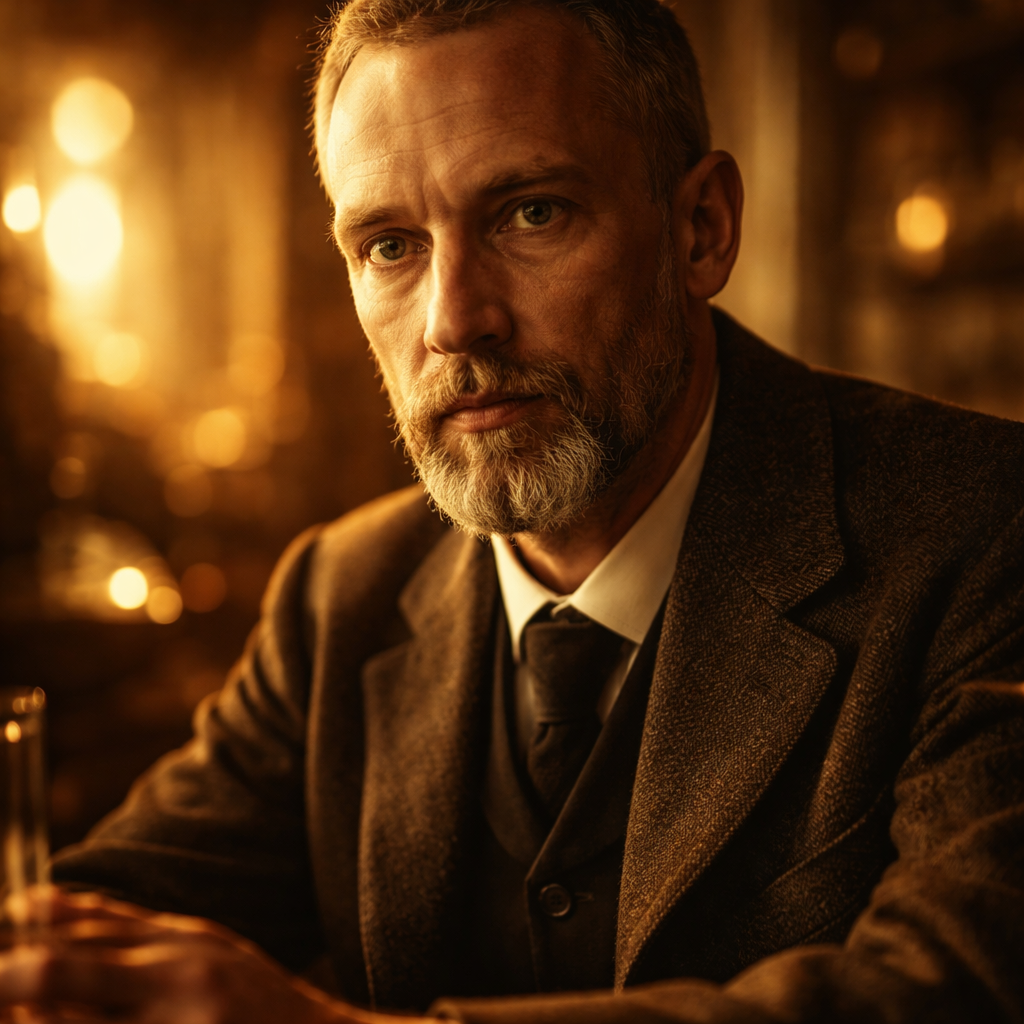
Pierre Curie was crossing the Rue Dauphine in Paris during a rainstorm on April 19, 1906, when he slipped and fell beneath a heavy horse-drawn wagon. The rear wheel crushed his skull, killing him instantly at age 46. He was returning from a lunch meeting at the Association of Professors of the Science Faculties, distracted and weakened by the chronic bone pain that years of radiation exposure had caused. The same element that had made his career was slowly destroying his body before the wagon finished the job.

Pierre and Marie Curie had shared the 1903 Nobel Prize in Physics with Henri Becquerel for their work on radioactivity, a term Marie coined. Working in a converted shed at the School of Physics and Chemistry in Paris, they had isolated two new elements, polonium and radium, from tons of pitchblende ore processed by hand. Pierre's own research focused on the physical properties of radioactive emissions, including his discovery that radium produced enough heat to melt its own weight in ice every hour. Neither scientist understood that the invisible rays they studied were destroying their cells.

Pierre's death left Marie a widow at 38 with two young daughters and a laboratory to run. She was appointed to his professorship at the Sorbonne, becoming the first woman to teach at the university in its 650-year history. Her first lecture, attended by an overflow crowd that included journalists and curiosity seekers, began precisely where Pierre's last lecture had ended. She won a second Nobel Prize, in Chemistry, in 1911 for isolating pure radium.

The Curies' legacy extended beyond their discoveries. Their willingness to share their findings without patents accelerated research worldwide and established a model of open science. But the personal cost was devastating. Marie died in 1934 of aplastic anemia caused by decades of radiation exposure. Their laboratory notebooks remain so radioactive that they are stored in lead-lined boxes at the Bibliotheque Nationale, and researchers must wear protective clothing to consult them. The Curies gave the world the science of radioactivity and paid for it with their health.
1906

Pierre Curie was crossing the Rue Dauphine in Paris during a rainstorm on April 19, 1906, when he slipped and fell beneath a heavy horse-drawn wagon. The rear wheel crushed his skull, killing him instantly at age 46. He was returning from a lunch meeting at the Association of Professors of the Science Faculties, distracted and weakened by the chronic bone pain that years of radiation exposure had caused. The same element that had made his career was slowly destroying his body before the wagon finished the job. Pierre and Marie Curie had shared the 1903 Nobel Prize in Physics with Henri Becquerel for their work on radioactivity, a term Marie coined. Working in a converted shed at the School of Physics and Chemistry in Paris, they had isolated two new elements, polonium and radium, from tons of pitchblende ore processed by hand. Pierre's own research focused on the physical properties of radioactive emissions, including his discovery that radium produced enough heat to melt its own weight in ice every hour. Neither scientist understood that the invisible rays they studied were destroying their cells. Pierre's death left Marie a widow at 38 with two young daughters and a laboratory to run. She was appointed to his professorship at the Sorbonne, becoming the first woman to teach at the university in its 650-year history. Her first lecture, attended by an overflow crowd that included journalists and curiosity seekers, began precisely where Pierre's last lecture had ended. She won a second Nobel Prize, in Chemistry, in 1911 for isolating pure radium. The Curies' legacy extended beyond their discoveries. Their willingness to share their findings without patents accelerated research worldwide and established a model of open science. But the personal cost was devastating. Marie died in 1934 of aplastic anemia caused by decades of radiation exposure. Their laboratory notebooks remain so radioactive that they are stored in lead-lined boxes at the Bibliotheque Nationale, and researchers must wear protective clothing to consult them. The Curies gave the world the science of radioactivity and paid for it with their health.

65

A slave named Milichus didn't just overhear a whisper; he heard his master Piso plotting to kill Nero himself. The freedman raced through Rome's dark streets, racing against time while conspirators like Seneca sipped wine in total ignorance. Within hours, the Senate's elite lay in chains, their lives extinguished by one man's fear and greed. Today, we remember that the empire's greatest purge began not with a sword, but with a servant's desperate loyalty to survival.

531

Belisarius didn't just lose; he lost his cavalry to a Persian arrow that shattered his shield and forced a chaotic retreat across the Euphrates. Thousands of men, including the elite cataphracts, died in the mud while their emperor Justinian watched from Constantinople. That single defeat made him realize war wasn't won by generals alone, so he negotiated peace instead of fighting forever. He saved an empire not by conquering more land, but by finally admitting he couldn't win every fight.

1506

Three days of fire and blood in April 1506 turned Lisbon's streets red. Angry mobs dragged the "New Christians" from their homes, burning them alive at the Rossio square until over two thousand lay dead. Families were torn apart by neighbors who'd shared meals just yesterday. The Portuguese crown tried to stop the slaughter but failed to save a community already shattered. That night, fear didn't just kill people; it killed trust forever. You can still feel that silence where their voices used to be.

1529

Seven German princes and four free cities just refused to sign a decree banning Luther's teachings. They didn't care that Emperor Charles V had already crushed dissent at Worms; they'd rather lose their crowns than silence their consciences. That standoff forced a split in the church that would bleed Europe for centuries, turning faith into a weapon of war. It wasn't just about theology—it was about who gets to speak when kings demand silence. Now we call them Protestants, but really, they were just people who said "no" to a room full of powerful men.

1713

A desperate Charles VI signed the Pragmatic Sanction in 1713, a decree allowing his unborn daughter Maria Theresa to inherit the Austrian throne. He gambled everything because he had no living sons. The cost was decades of blood; when he died in 1740, Prussia and France immediately invaded, sparking the War of Austrian Succession that tore Europe apart. Maria Theresa's reign began with fire, not a coronation.

1809

Two Austrian corps got crushed near Raszyn while Davout's men smashed the main army at Teugen-Hausen. That same day, April 19, 1809, a young Polish general named Józef Poniatowski held his ground against overwhelming odds, proving the Duchy of Warsaw could fight. Thousands bled in muddy fields from Bavaria to Poland as the Fifth Coalition's hopes crumbled under Napoleon's relentless pressure. We remember this not for the maps redrawn, but for the moment a small nation proved it wouldn't just be a pawn on someone else's board.

1810

Vicente Emparan, the Governor, actually hid under his own dining table while Caracas mobs demanded he step down. He didn't get to keep his uniform or his authority; a local junta took over instead. That single act of forcing a ruler out wasn't just a protest—it was the spark that set off a decade of wars across South America. People thought they were just swapping bosses, but they'd accidentally started a continent-wide revolution. The real shock? They didn't get independence until years later; they got a long, bloody struggle for what they thought was already theirs.

Fun Facts

Zodiac Sign

Aries

Mar 21 -- Apr 19

Fire sign. Courageous, energetic, and confident.

Birthstone

Diamond

Clear

Symbolizes eternal love, strength, and invincibility.

Next Birthday

--

days until April 19

Quote of the Day

“You think, eventually, that nothing can disturb you and that your nerves are impregnable. Yet, looking down at that familiar face, I realized that death is something to which we never become calloused.”

Share Your Birthday

Create a beautiful birthday card with events and famous birthdays for April 19.

Create Birthday Card

Explore Nearby Dates

Popular Dates

Explore more about April 19 in history. See the full date page for all events, browse April, or look up another birthday. Play history games or talk to historical figures.