

Historical Figure
John Quincy Adams
1767–1848
President of the United States from 1825 to 1829
Talk to John Quincy Adams
Have a conversation with this historical figure through AI
Biography
John Quincy Adams was the sixth president of the United States, serving from 1825 to 1829. He previously served as the eighth United States secretary of state from 1817 to 1825; minister to Great Britain, Prussia, and Russia; and senator for Massachusetts. After his presidency, Adams uniquely returned to Congress as a member of the lower house, where he died in 1848. He was the eldest son of John Adams, the second president, and First Lady Abigail Adams. Among his children were Charles Francis Adams Sr. Initially a Federalist like his father, Adams spent his presidency as a member of the Democratic-Republican Party, and later, in the mid-1830s, became affiliated with the Whig Party.
Timeline
The story of John Quincy Adams, told in moments.
Appointed minister to the Netherlands at 26 by Washington. Spoke fluent French, Dutch, and German. Served as diplomat for two decades before entering domestic politics.
Elected president by the House of Representatives after no candidate won a majority. Andrew Jackson had more popular votes and more electoral votes. Jackson called it a "corrupt bargain." The accusation stuck.
Took his seat in the House of Representatives. The only former president to return to Congress. Served nine terms. Used his position to fight slavery, repeatedly defying a gag rule that blocked anti-slavery petitions.
Collapsed on the House floor during a vote. Died two days later in the Speaker's Room, age 80. His last words: "This is the last of earth. I am content."
In Their Own Words (20)
Idleness is sweet, and its consequences are cruel.
Attributed as a diary entry, as quoted in Respectfully Quoted : A Dictionary of Quotations (1992) by Suzy Platt, 1992
We know the redemption must come. The time and the manner of its coming we know not: It may come in peace, or it may come in blood; but whether in peace or in blood, LET IT COME.
Remarks to "the colored people of Pittsburge, Pennsylvania" in 1843, as quoted in History of the Rebellion : Its Authors and Causes (1864) by Joshua Reed Giddings; Alabama Representative Dellet quoted the speech in the House of Representatives and added "though it cost the blood of thousands of white men?" Adams replied Though it cost the blood of millions of white men, let it come. Let justice be done, though the heavens fall., 1864
The highest, the transcendent glory of the American Revolution was this — it connected, in one indissoluble bond, the principles of civil government with the precepts of Christianity.
Letter to an autograph collector (identified: "Washington, 27th April, 1837"), published in The Historical Magazine 4:7 (July 1860), pp. 193-194; this became slightly misquoted by John Wingate Thornton in The Pulpit of The American Revolution (1860): "The highest glory of the American Revolution, said John Quincy Adams, was this: it connected, in one indissoluble bond, the principles of civil government with the principles of Christianity"., 1860
To furnish the means of acquiring knowledge is … the greatest benefit that can be conferred upon mankind. It prolongs life itself and enlarges the sphere of existence.
Report on the establishment of the Smithsonian Institution (c. 1846), 1846
My wants are many, and, if told, Would muster many a score; And were each wish a mint of gold, I still would want for more.
The Wants of Man, stanza 1, published in The Quincy Patriot (25 September 1841), 1841
Artifacts (15)


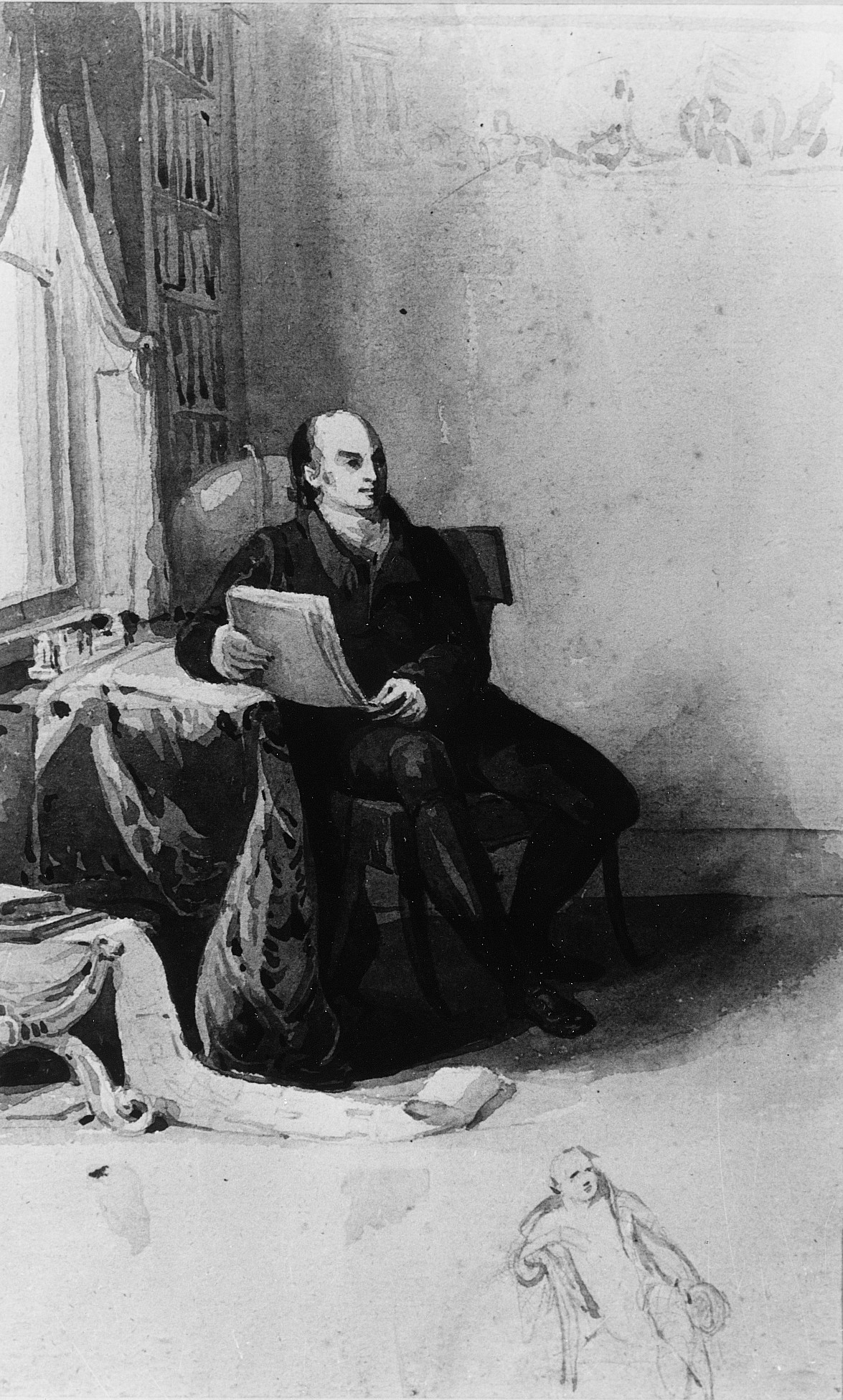
John Quincy Adams
Thomas Sully
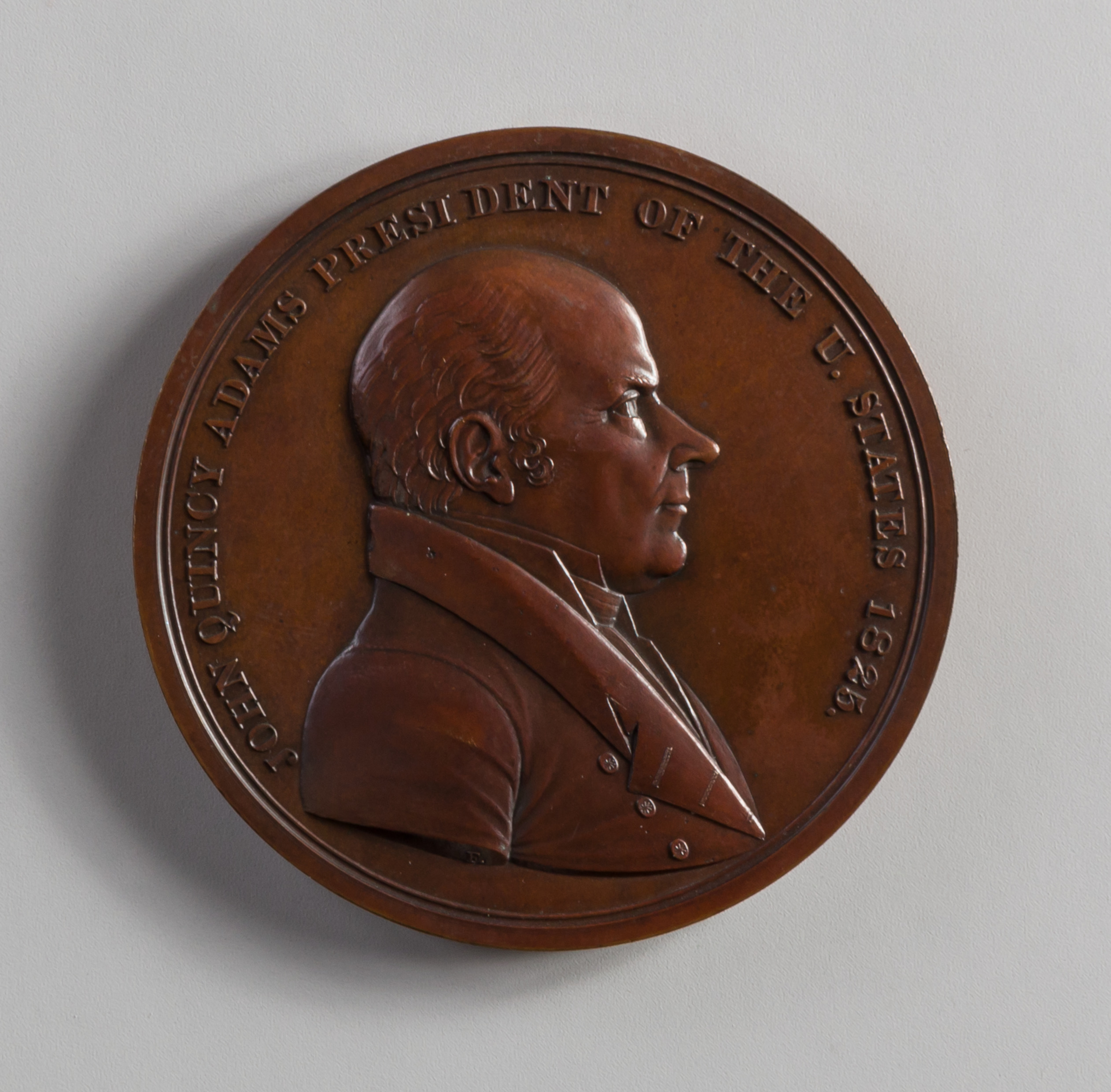


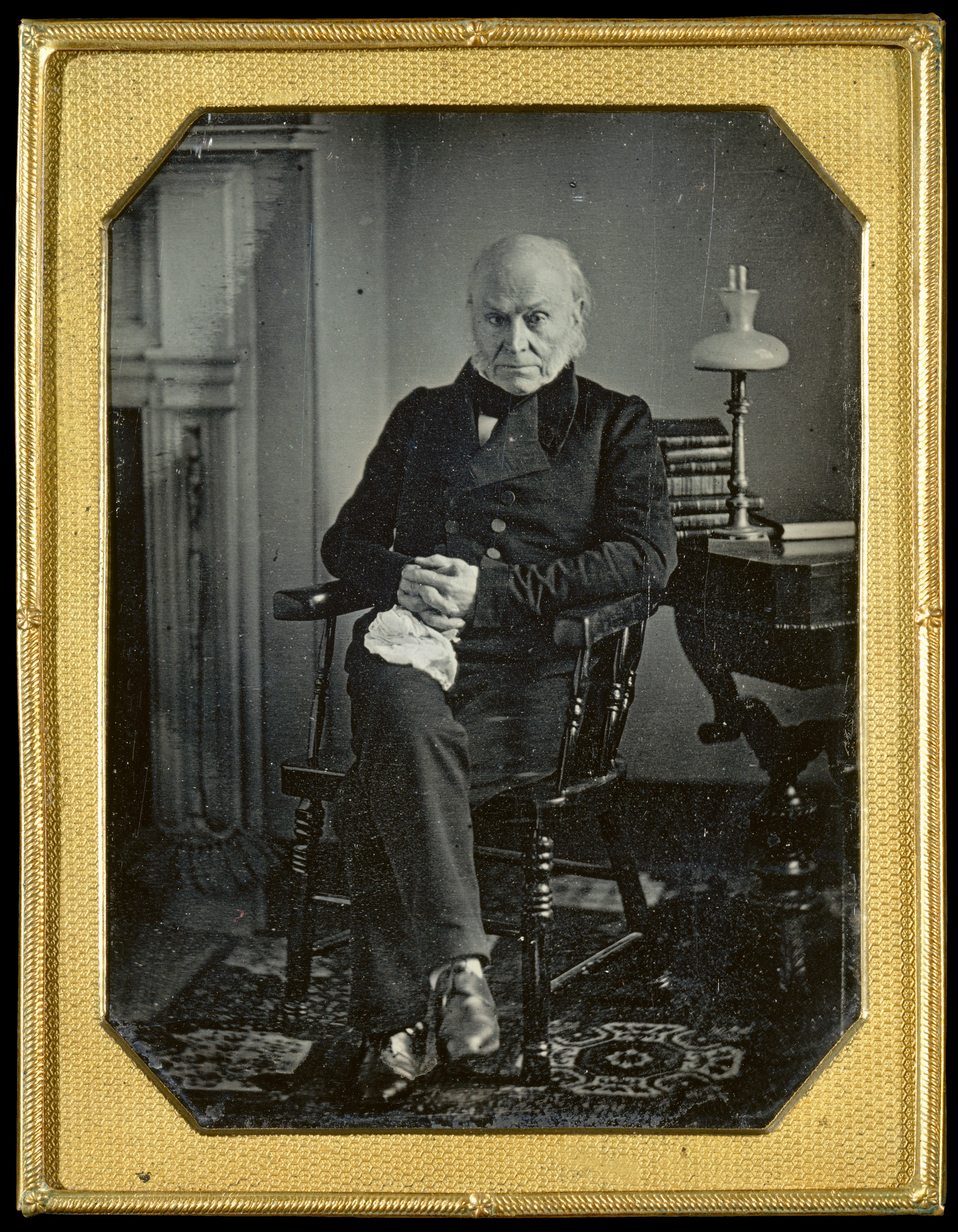
John Quincy Adams
Josiah Johnson Hawes|Albert Sands Southworth|Southworth and Hawes|Philip Haas

John Quincy Adams
Meade Brothers Studio, active c. 1840 - c. 1869
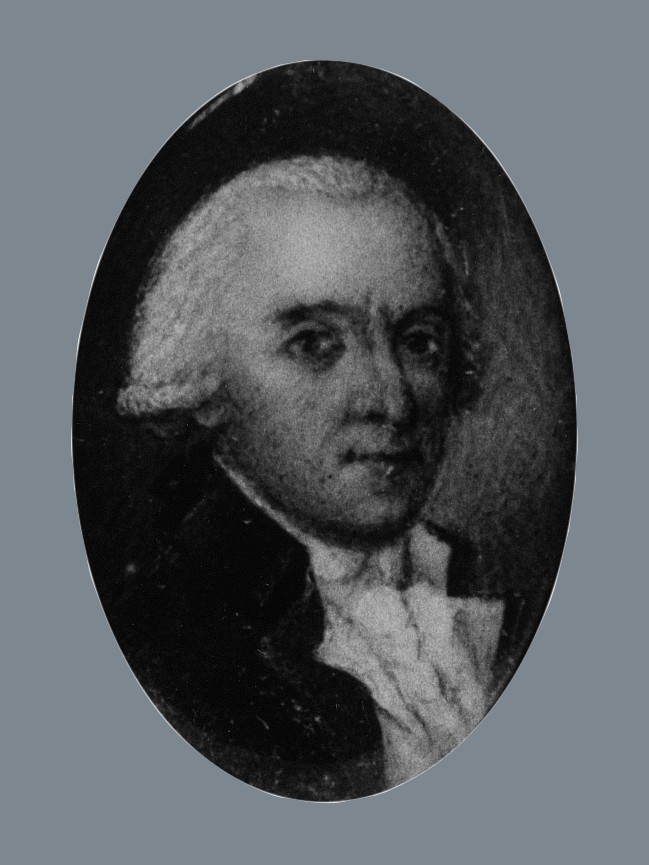
John Quincy Adams

John Quincy Adams
William Harrison, Jr., active 1797 - c. 1819
More from the Enlightenment


Explore what happened on the days that shaped John Quincy Adams's life. Today In History connects historical figures with the events, births, and deaths that defined their era. Browse all historical figures or explore today's events.