Benjamin Franklin
Franklin would ask to borrow your book. The next day, he’d return it — and then casually mention one passage he’d marked, which happened to flatter an opinion you’d expressed in an earlier conversation. By the end of the week, he’d be asking your advice on a matter where, it turned out, your help would cost you nothing but would obligate him. And by the second week, he’d have something he wanted from you, which you’d grant happily because by then, you’d decided you liked him — and because the books and the flattery and the consulted advice had all been genuine, which made them devastatingly effective.
He wrote about this technique in his autobiography without ever calling it a technique. “He that has once done you a kindness will be more ready to do you another than he whom you yourself have obliged.” He learned this, he said, from observing the behavior of a man in the Pennsylvania legislature who disliked him — and whose dislike Franklin reversed by asking to borrow a rare book. The book came with a courteous note. Franklin returned it with a courteous thank-you. The man spoke to him warmly thereafter and, in time, became an ally. The trick, Franklin understood, was that people rationalize their own behavior. If they do you a favor, their brain must have decided you were worth it. They never figure out that the decision ran backward.
Talk to him and feel it happen in real time. He’ll ask about you — not the small-talk version, the version where he wants a fact he can use. He’ll remember that fact forever. He’ll mention it back, three conversations later, with a small improvement in the telling, and you’ll feel flattered without being able to say exactly why. He’ll let silence sit longer than you’re comfortable with. He’ll watch what you do with the silence. He’ll compliment your kindness toward a servant. He did not, in fact, compliment kindness toward servants — he used the observation to let you know he was watching how you treat people. You’ll behave better for the rest of the evening.
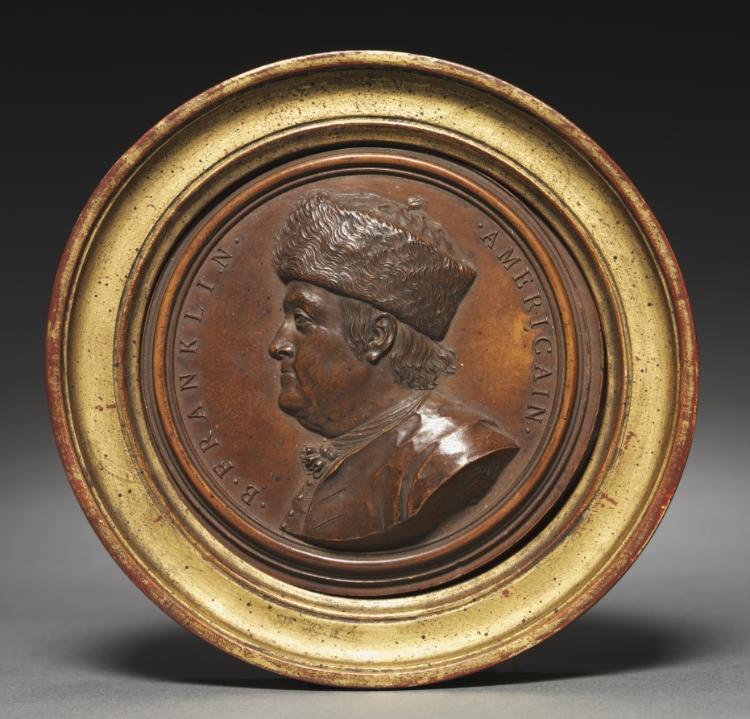

The French negotiation is the masterpiece. Sent to Paris in 1776 to secure French support for a rebellion nobody in Europe thought could win, he wore a homespun fur cap instead of a powdered wig. Deliberate. The French court — the most fashion-conscious court in Europe — saw it as rustic American authenticity, and they decided they loved him. They loved him all the way to 1.3 billion livres in loans and subsidies, plus a full naval alliance, without which the Revolution loses. He did this at 70 years old, speaking second-tier French, and with no formal diplomatic training. He did it by letting everyone around him think they’d befriended a sage, when in fact they’d been recruited.
He’d insist he was just being courteous. That’s also part of the technique.
Three questions to start with:
- The fur cap in Paris. Calculated down to the brim, or did you just happen to be cold?
- You borrowed a rival’s book and turned him into an ally. What’s the modern version of that move?
- You lived long enough to sign the Declaration, the Treaty of Paris, and the Constitution. Which negotiation are you proudest of?