

Historical Figure
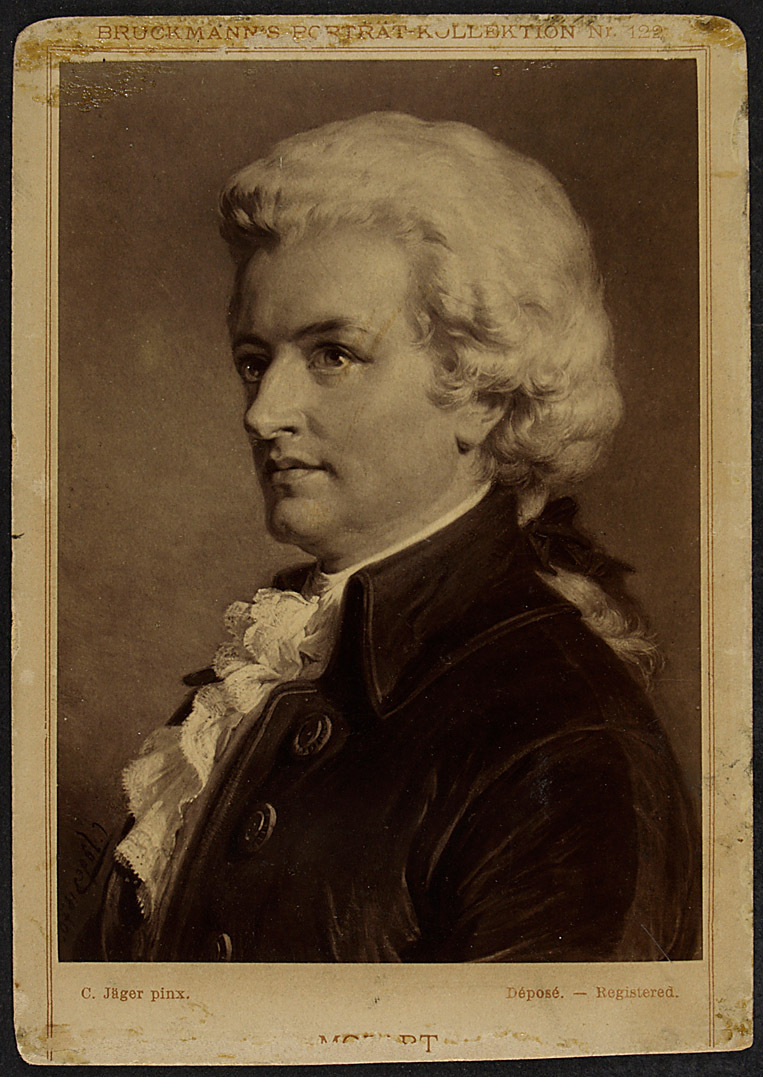
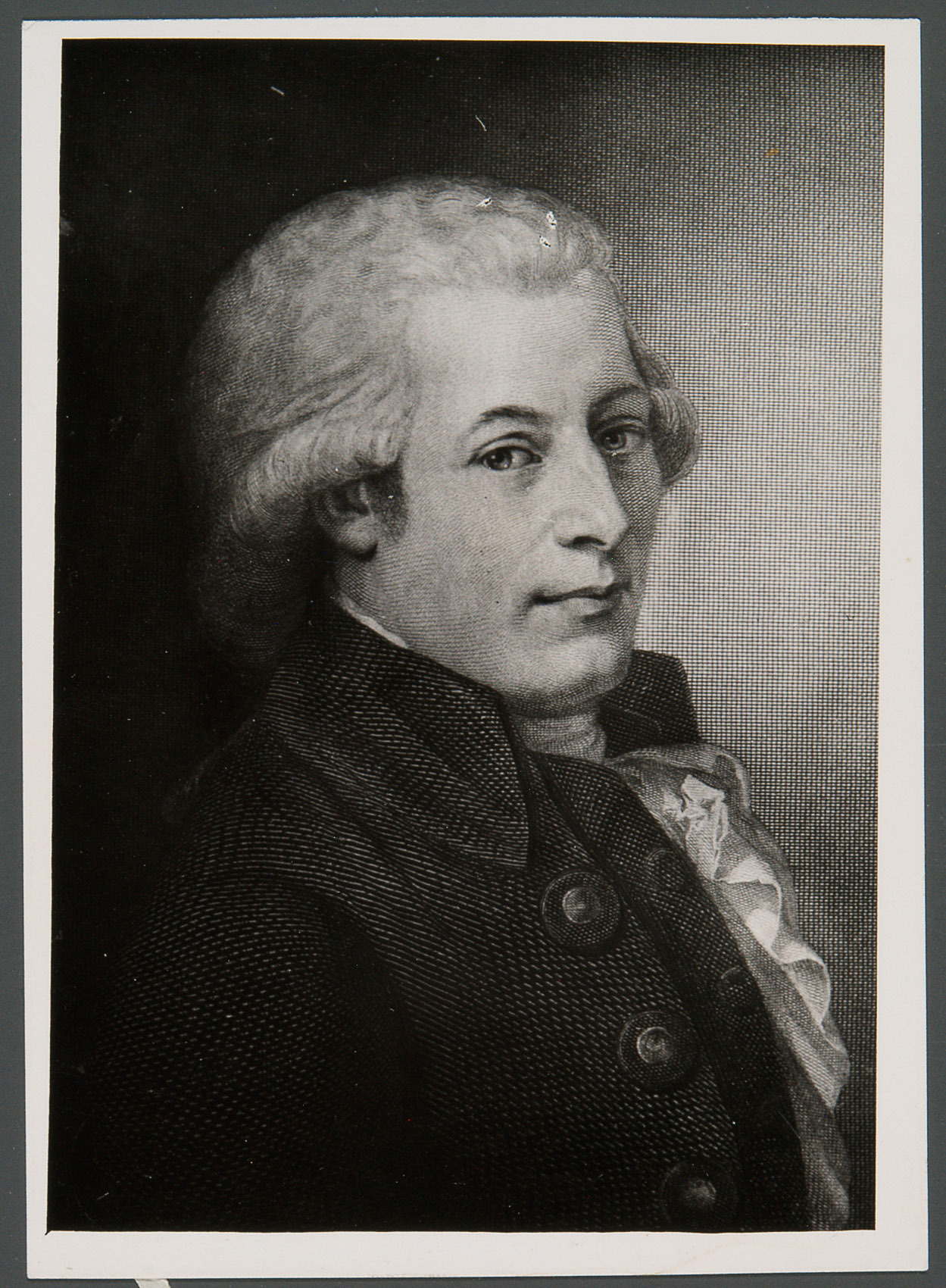
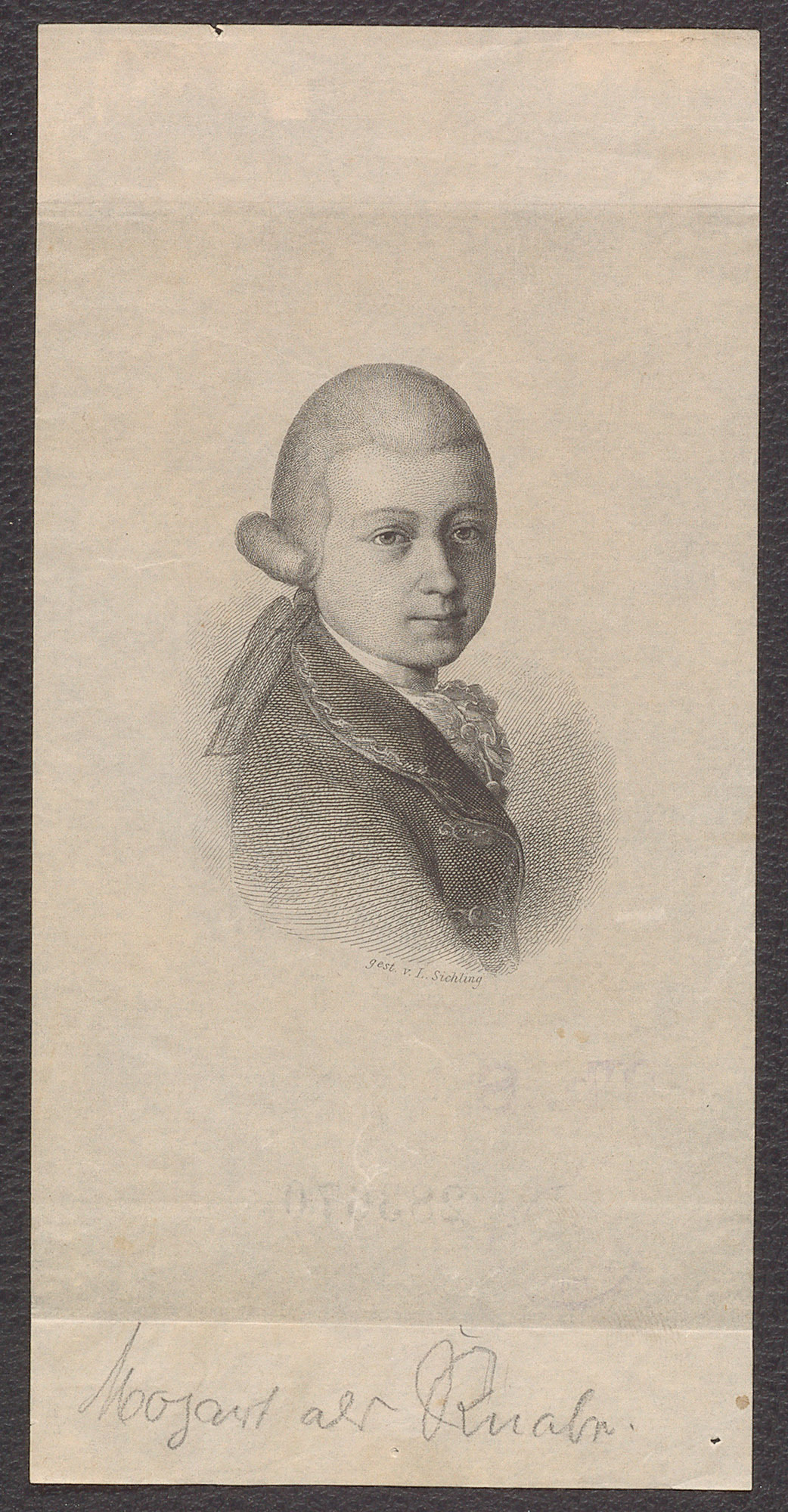
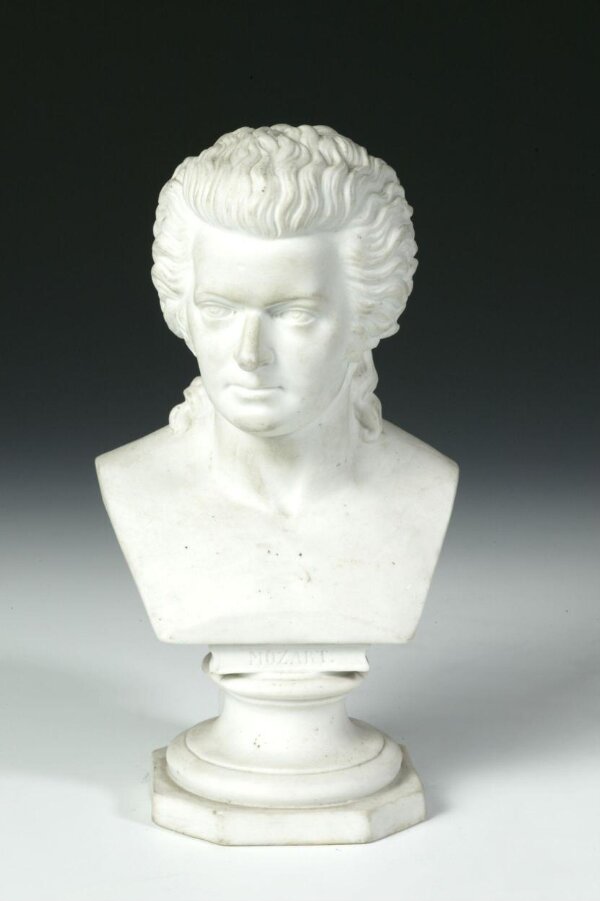
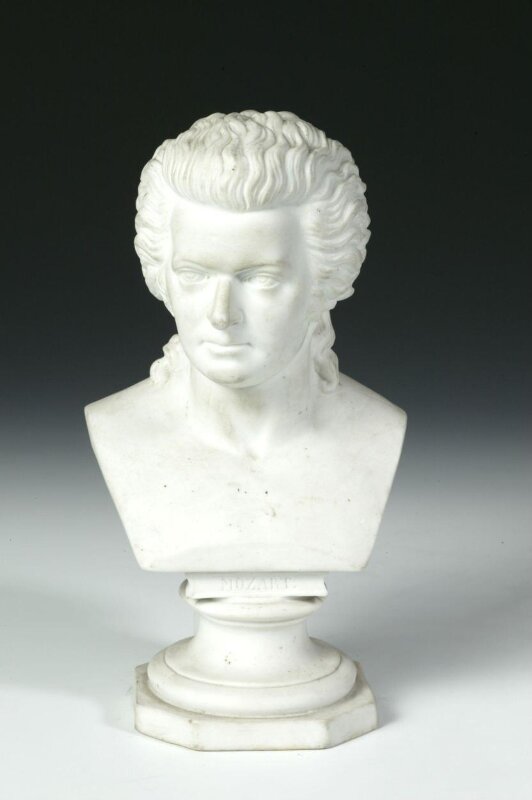
Wolfgang Amadeus Mozart
d. 1791
Composer (1756–1791)
Talk to Wolfgang Amadeus Mozart
Have a conversation with this historical figure through AI
Biography
Wolfgang Amadeus Mozart was a Classical composer and musician. In his brief life, he completed more than 800 works including outstanding examples of most of the genres of his time: symphonies, concertos, chamber music, opera, and choral music.
Timeline
The story of Wolfgang Amadeus Mozart, told in moments.
The Mozart family begins a grand tour of Europe. Wolfgang is seven. He performs for Louis XV at Versailles, George III in London, Maria Theresa in Vienna. His father advertises him as a prodigy, sometimes shaving a year off his age for effect.
Visits Rome during Holy Week and hears Allegri's Miserere in the Sistine Chapel. The Vatican forbids anyone from copying the score. Mozart walks out and writes the entire piece from memory. He is 14.
His mother Anna Maria dies in Paris while accompanying him on a job-hunting trip. He is 22 and alone in a foreign city. He writes his father a letter saying she is 'very ill' before working up the courage to tell the truth.
Breaks from his patron, the Archbishop of Salzburg, after years of humiliation. The archbishop's steward literally kicks him out the door. Mozart stays in Vienna as a freelancer. No steady salary, no safety net. It's the most productive period of his life.
Joins the Freemasons in Vienna. Lodge Zur Wohlthatigkeit. Freemasonry influences The Magic Flute seven years later. Trials, enlightenment, the journey from darkness to light. The symbols are everywhere in the opera.
The Marriage of Figaro premieres in Vienna. A comedy about servants outsmarting their masters. The Viennese audience demands so many encores that the emperor issues an order limiting them. In Prague, the opera is a sensation. Mozart writes to his father: "Here they talk about nothing but Figaro."
Don Giovanni premieres in Prague. Mozart conducts. The overture, according to legend, is written the night before. His wife Constanze keeps him awake with punch and fairy tales while he composes it.
The Magic Flute premieres in Vienna. Mozart conducts from the keyboard. He is visibly ill. The opera is a popular triumph, but Mozart has less than ten weeks to live. He is simultaneously working on his Requiem, commissioned by a stranger who refuses to reveal who hired him.
Dies in Vienna shortly after midnight. He is 35. The cause is still debated: rheumatic fever, kidney disease, mercury poisoning, or trichinosis from undercooked pork chops. The Requiem is unfinished. His student Franz Xaver Sussmayr completes it. He is buried in a common grave at St. Marx Cemetery, as was customary for the Viennese middle class. The exact location is unknown.
Amadeus wins the Academy Award for Best Picture. The film depicts Mozart as a vulgar genius and Salieri as his jealous rival. The real Salieri was a respected colleague. The rivalry is mostly fiction. The movie makes Mozart a household name for a generation that doesn't read liner notes.
In Their Own Words (18)
A fellow of mediocre talent will remain a mediocrity, whether he travels or not; but one of superior talent (which without impiety I cannot deny that I possess) will go to seed if he always remains in the same place.
Letter to Leopold Mozart (11 September 1778), from Wolfgang Amadé Mozart by Georg Knepler (1991), trans. J. Bradford Robinson [Cambridge University Press, 1994, ], p. 12., 1991
All I insist on, and nothing else, is that you should show the whole world that you are not afraid. Be silent, if you choose; but when it is necessary, speak—and speak in such a way that people will remember it.
Letter as published in The Letters of Mozart & His Family (1938) translated and edited by Emily Anderson, p. 1114., 1938
The most stimulating and encouraging thought is that you, dearest father, and my dear sister, are well, that I am an honest German, and that if I am not always permitted to talk I can think what I please; but that is all.
Letter to Leopold Mozart (Paris, 29 April 1778), from Mozart: The Man and the Artist, as Revealed in his own Words by Friedrich Kerst, trans. Henry Edward Krehbiel (1906), 1906
Stay with me to-night; you must see me die. I have long had the taste of death on my tongue, I smell death, and who will stand by my Constanze, if you do not stay?
Spoken on his deathbed to his sister-in-law, Sophie Weber (5 December 1791), from Mozart: The Man and the Artist, as Revealed in his own Words by Friedrich Kerst, trans. Henry Edward Krehbiel (1906), 1906
"Sie wird das nothwendigste und härteste und die hauptsache in der Musique niemahlen bekommen, nämlich das tempo, weil sie sich vom jugend auf völlig befliessen hat, nicht auf den tact zu spiellen."
She will never learn the most necessary, most difficult and principal thing in music, that is time, because from childhood she has designedly cultivated the habit of ignoring the beat., 1906
Artifacts (15)
More from the Enlightenment


Explore what happened on the days that shaped Wolfgang Amadeus Mozart's life. Today In History connects historical figures with the events, births, and deaths that defined their era. Browse all historical figures or explore today's events.