Today In History logo TIH

Today In History

March 9 in History

Your birthday shares the stage with stories that shaped the world. Born on this day: Amerigo Vespucci, John Cale, and Kim Tae-yeon.

Ironclads Clash at Hampton Roads: Wooden Ships Obsolete
1862Event

Ironclads Clash at Hampton Roads: Wooden Ships Obsolete

Two armored warships fired at each other for four hours at close range in Hampton Roads, Virginia, on March 9, 1862, and neither could sink the other. The battle between the USS Monitor and the CSS Virginia (built on the hull of the captured USS Merrimack) was the first engagement between ironclad vessels, and it rendered every wooden warship in every navy on Earth obsolete overnight. The age of sail effectively ended in a single morning. The Virginia had demonstrated the vulnerability of wooden ships the day before. On March 8, the ironclad steamed out of Norfolk and attacked the Union blockade fleet at Hampton Roads. The USS Cumberland, a 24-gun sloop, fired a full broadside at the Virginia. The shots bounced off. The Virginia rammed the Cumberland and sank her, then turned on the USS Congress, which ran aground while trying to escape. The Virginia set the Congress on fire with heated shot, killing over 120 sailors. The wooden frigate USS Minnesota ran aground trying to flee. Two Union warships were destroyed and a third crippled in a single afternoon. The Union's answer arrived that night. The Monitor, designed by Swedish-American engineer John Ericsson and built in just 100 days at the Continental Iron Works in Brooklyn, was towed into Hampton Roads after a harrowing coastal voyage during which it nearly sank. The vessel was radically unconventional: a flat iron raft barely above the waterline with a single revolving gun turret housing two 11-inch Dahlgren smoothbore cannons. The two ironclads engaged at close range on the morning of March 9. The Monitor's turret rotated to fire at the Virginia from various angles; the Virginia attempted to ram and fired repeatedly at the Monitor's armor. Neither vessel could penetrate the other's iron plating. After four hours of fighting, the Virginia withdrew when the tide began falling, and the Monitor did not pursue. The engagement was tactically a draw. Strategically, the battle was a Union victory. The Virginia was contained and never again threatened the blockade fleet. More importantly, the battle electrified naval architects worldwide. Britain and France accelerated their own ironclad programs, and within a decade, wooden warships had vanished from every major navy. The Monitor sank in a storm off Cape Hatteras on December 31, 1862, nine months after its famous fight. Its turret was recovered from the ocean floor in 2002.

Famous Birthdays

Amerigo Vespucci
Amerigo Vespucci

1454–1512

John Cale

John Cale

b. 1942

Kim Tae-yeon

Kim Tae-yeon

b. 1989

Mickey Spillane

Mickey Spillane

d. 1977

Raúl Juliá

Raúl Juliá

d. 1994

Bobby Sands

Bobby Sands

1954–1981

Bow Wow

Bow Wow

b. 1987

Mark Lindsay

Mark Lindsay

b. 1942

Martin Fry

Martin Fry

b. 1958

Robin Trower

Robin Trower

b. 1945

Shannon Leto

Shannon Leto

b. 1970

Takaaki Kajita

Takaaki Kajita

b. 1959

Historical Events

Emperor Wu of Han took the Chinese throne at age fifteen in 141 BC and held it for 54 years, the longest reign in Chinese imperial history until the Kangxi Emperor surpassed it more than 1,800 years later. Under Wu, the Han Dynasty expanded from a cautious, inward-looking state into an empire stretching from Korea to Central Asia, and the Confucian philosophy he adopted as state ideology would shape Chinese governance for the next two millennia.

Wu inherited a prosperous but strategically defensive empire. His predecessors had followed a policy of accommodation with the Xiongnu, the nomadic confederation that dominated the northern steppe. They paid tribute in silk, grain, and imperial brides to keep the peace. Wu reversed this policy entirely. Beginning in 133 BC, he launched a series of massive military campaigns against the Xiongnu that pushed them out of the Ordos region and deep into Mongolia. His cavalry forces, sometimes numbering over 100,000, fought across deserts and grasslands in campaigns that lasted years.

The diplomatic consequences were equally transformative. In 139 BC, Wu sent Zhang Qian westward to seek an alliance with the Yuezhi, a people displaced by the Xiongnu. Zhang Qian's thirteen-year journey — he was captured by the Xiongnu and held for ten years before escaping — took him to the Fergana Valley, Bactria, and the edges of the Parthian Empire. Although the diplomatic mission failed, Zhang Qian's reports opened Chinese eyes to a world of wealthy civilizations to the west. Trade routes that would later be called the Silk Road grew from these initial contacts.

Domestically, Wu centralized power more aggressively than any previous Han emperor. He adopted Confucianism as the state philosophy in 136 BC on the recommendation of scholar Dong Zhongshu, establishing an imperial academy to train officials in the Confucian classics. This created the examination-based bureaucracy that would endure, with modifications, until 1905. He also nationalized the salt and iron industries, imposed government monopolies on key commodities, and debased the currency to fund his wars.

The costs of Wu's ambitions were severe. Military campaigns drained the treasury and devastated farming populations conscripted to fight or supply the armies. By the end of his reign, the empire's population had declined significantly, and Wu himself issued a rare imperial apology acknowledging the suffering his policies had caused.

Emperor Wu's reign established the geographic, philosophical, and administrative foundations of the Chinese state that would persist for two thousand years.
141 BC

Emperor Wu of Han took the Chinese throne at age fifteen in 141 BC and held it for 54 years, the longest reign in Chinese imperial history until the Kangxi Emperor surpassed it more than 1,800 years later. Under Wu, the Han Dynasty expanded from a cautious, inward-looking state into an empire stretching from Korea to Central Asia, and the Confucian philosophy he adopted as state ideology would shape Chinese governance for the next two millennia. Wu inherited a prosperous but strategically defensive empire. His predecessors had followed a policy of accommodation with the Xiongnu, the nomadic confederation that dominated the northern steppe. They paid tribute in silk, grain, and imperial brides to keep the peace. Wu reversed this policy entirely. Beginning in 133 BC, he launched a series of massive military campaigns against the Xiongnu that pushed them out of the Ordos region and deep into Mongolia. His cavalry forces, sometimes numbering over 100,000, fought across deserts and grasslands in campaigns that lasted years. The diplomatic consequences were equally transformative. In 139 BC, Wu sent Zhang Qian westward to seek an alliance with the Yuezhi, a people displaced by the Xiongnu. Zhang Qian's thirteen-year journey — he was captured by the Xiongnu and held for ten years before escaping — took him to the Fergana Valley, Bactria, and the edges of the Parthian Empire. Although the diplomatic mission failed, Zhang Qian's reports opened Chinese eyes to a world of wealthy civilizations to the west. Trade routes that would later be called the Silk Road grew from these initial contacts. Domestically, Wu centralized power more aggressively than any previous Han emperor. He adopted Confucianism as the state philosophy in 136 BC on the recommendation of scholar Dong Zhongshu, establishing an imperial academy to train officials in the Confucian classics. This created the examination-based bureaucracy that would endure, with modifications, until 1905. He also nationalized the salt and iron industries, imposed government monopolies on key commodities, and debased the currency to fund his wars. The costs of Wu's ambitions were severe. Military campaigns drained the treasury and devastated farming populations conscripted to fight or supply the armies. By the end of his reign, the empire's population had declined significantly, and Wu himself issued a rare imperial apology acknowledging the suffering his policies had caused. Emperor Wu's reign established the geographic, philosophical, and administrative foundations of the Chinese state that would persist for two thousand years.

Two armored warships fired at each other for four hours at close range in Hampton Roads, Virginia, on March 9, 1862, and neither could sink the other. The battle between the USS Monitor and the CSS Virginia (built on the hull of the captured USS Merrimack) was the first engagement between ironclad vessels, and it rendered every wooden warship in every navy on Earth obsolete overnight. The age of sail effectively ended in a single morning.

The Virginia had demonstrated the vulnerability of wooden ships the day before. On March 8, the ironclad steamed out of Norfolk and attacked the Union blockade fleet at Hampton Roads. The USS Cumberland, a 24-gun sloop, fired a full broadside at the Virginia. The shots bounced off. The Virginia rammed the Cumberland and sank her, then turned on the USS Congress, which ran aground while trying to escape. The Virginia set the Congress on fire with heated shot, killing over 120 sailors. The wooden frigate USS Minnesota ran aground trying to flee. Two Union warships were destroyed and a third crippled in a single afternoon.

The Union's answer arrived that night. The Monitor, designed by Swedish-American engineer John Ericsson and built in just 100 days at the Continental Iron Works in Brooklyn, was towed into Hampton Roads after a harrowing coastal voyage during which it nearly sank. The vessel was radically unconventional: a flat iron raft barely above the waterline with a single revolving gun turret housing two 11-inch Dahlgren smoothbore cannons.

The two ironclads engaged at close range on the morning of March 9. The Monitor's turret rotated to fire at the Virginia from various angles; the Virginia attempted to ram and fired repeatedly at the Monitor's armor. Neither vessel could penetrate the other's iron plating. After four hours of fighting, the Virginia withdrew when the tide began falling, and the Monitor did not pursue. The engagement was tactically a draw.

Strategically, the battle was a Union victory. The Virginia was contained and never again threatened the blockade fleet. More importantly, the battle electrified naval architects worldwide. Britain and France accelerated their own ironclad programs, and within a decade, wooden warships had vanished from every major navy.

The Monitor sank in a storm off Cape Hatteras on December 31, 1862, nine months after its famous fight. Its turret was recovered from the ocean floor in 2002.
1862

Two armored warships fired at each other for four hours at close range in Hampton Roads, Virginia, on March 9, 1862, and neither could sink the other. The battle between the USS Monitor and the CSS Virginia (built on the hull of the captured USS Merrimack) was the first engagement between ironclad vessels, and it rendered every wooden warship in every navy on Earth obsolete overnight. The age of sail effectively ended in a single morning. The Virginia had demonstrated the vulnerability of wooden ships the day before. On March 8, the ironclad steamed out of Norfolk and attacked the Union blockade fleet at Hampton Roads. The USS Cumberland, a 24-gun sloop, fired a full broadside at the Virginia. The shots bounced off. The Virginia rammed the Cumberland and sank her, then turned on the USS Congress, which ran aground while trying to escape. The Virginia set the Congress on fire with heated shot, killing over 120 sailors. The wooden frigate USS Minnesota ran aground trying to flee. Two Union warships were destroyed and a third crippled in a single afternoon. The Union's answer arrived that night. The Monitor, designed by Swedish-American engineer John Ericsson and built in just 100 days at the Continental Iron Works in Brooklyn, was towed into Hampton Roads after a harrowing coastal voyage during which it nearly sank. The vessel was radically unconventional: a flat iron raft barely above the waterline with a single revolving gun turret housing two 11-inch Dahlgren smoothbore cannons. The two ironclads engaged at close range on the morning of March 9. The Monitor's turret rotated to fire at the Virginia from various angles; the Virginia attempted to ram and fired repeatedly at the Monitor's armor. Neither vessel could penetrate the other's iron plating. After four hours of fighting, the Virginia withdrew when the tide began falling, and the Monitor did not pursue. The engagement was tactically a draw. Strategically, the battle was a Union victory. The Virginia was contained and never again threatened the blockade fleet. More importantly, the battle electrified naval architects worldwide. Britain and France accelerated their own ironclad programs, and within a decade, wooden warships had vanished from every major navy. The Monitor sank in a storm off Cape Hatteras on December 31, 1862, nine months after its famous fight. Its turret was recovered from the ocean floor in 2002.

Pancho Villa led approximately 500 mounted guerrillas across the US-Mexico border before dawn on March 9, 1916, and attacked the sleeping town of Columbus, New Mexico, burning buildings, looting stores, and killing 18 Americans — ten civilians and eight soldiers. The raid was the last armed invasion of the continental United States by a foreign force and triggered the largest American military expedition since the Spanish-American War.

Villa's motives remain debated. He had been a major figure in the Mexican Revolution since 1910, commanding the Division del Norte that captured key cities across northern Mexico. By 1916, his fortunes had reversed. His rival Venustiano Carranza had gained American diplomatic recognition in October 1915, and the United States had allowed Carranza's troops to travel through American territory by rail to reinforce positions against Villa. Villa saw the Columbus raid as retaliation against American interference and possibly as a provocation designed to undermine Carranza's relationship with Washington.

The town of Columbus, population roughly 400, was defended by a detachment of the 13th US Cavalry under Colonel Herbert J. Slocum. Villa's raiders struck at 4:15 AM, screaming "Viva Villa!" and "Muerte a los Americanos!" The surprised cavalrymen rallied and set up machine gun positions that eventually drove the Mexicans back across the border. Villa lost approximately 90 men killed; several more were captured and later executed.

President Woodrow Wilson ordered Brigadier General John J. Pershing to lead a Punitive Expedition into Mexico to capture Villa. Pershing crossed the border on March 15 with 4,800 troops that eventually grew to nearly 10,000, including cavalry, infantry, artillery, and for the first time in US military history, motorized vehicles and aircraft used in a combat operation. The expedition penetrated over 350 miles into Mexican territory.

Villa was never caught. He dispersed his forces into the Sierra Madre and avoided major engagements while Pershing's supply lines stretched thin across hostile terrain. The expedition was withdrawn in February 1917 as the United States prepared for entry into World War I.

The Punitive Expedition served as a training ground for officers who would lead American forces in France, and Pershing's experience in Mexico directly informed his command of the American Expeditionary Forces.
1916

Pancho Villa led approximately 500 mounted guerrillas across the US-Mexico border before dawn on March 9, 1916, and attacked the sleeping town of Columbus, New Mexico, burning buildings, looting stores, and killing 18 Americans — ten civilians and eight soldiers. The raid was the last armed invasion of the continental United States by a foreign force and triggered the largest American military expedition since the Spanish-American War. Villa's motives remain debated. He had been a major figure in the Mexican Revolution since 1910, commanding the Division del Norte that captured key cities across northern Mexico. By 1916, his fortunes had reversed. His rival Venustiano Carranza had gained American diplomatic recognition in October 1915, and the United States had allowed Carranza's troops to travel through American territory by rail to reinforce positions against Villa. Villa saw the Columbus raid as retaliation against American interference and possibly as a provocation designed to undermine Carranza's relationship with Washington. The town of Columbus, population roughly 400, was defended by a detachment of the 13th US Cavalry under Colonel Herbert J. Slocum. Villa's raiders struck at 4:15 AM, screaming "Viva Villa!" and "Muerte a los Americanos!" The surprised cavalrymen rallied and set up machine gun positions that eventually drove the Mexicans back across the border. Villa lost approximately 90 men killed; several more were captured and later executed. President Woodrow Wilson ordered Brigadier General John J. Pershing to lead a Punitive Expedition into Mexico to capture Villa. Pershing crossed the border on March 15 with 4,800 troops that eventually grew to nearly 10,000, including cavalry, infantry, artillery, and for the first time in US military history, motorized vehicles and aircraft used in a combat operation. The expedition penetrated over 350 miles into Mexican territory. Villa was never caught. He dispersed his forces into the Sierra Madre and avoided major engagements while Pershing's supply lines stretched thin across hostile terrain. The expedition was withdrawn in February 1917 as the United States prepared for entry into World War I. The Punitive Expedition served as a training ground for officers who would lead American forces in France, and Pershing's experience in Mexico directly informed his command of the American Expeditionary Forces.

Napoleon Bonaparte married Josephine de Beauharnais in a civil ceremony in Paris on March 9, 1796, two days before departing for his Italian campaign. He was 26 and obsessed with her. She was 32, a widow with two children, a pile of debts, and a list of former lovers that included several members of the revolutionary government. The marriage was a strategic calculation for both parties, but Napoleon's passion for Josephine was genuine and consuming — at least until he discovered she didn't feel the same way.

Josephine, born Marie Josèphe Rose Tascher de la Pagerie on the island of Martinique, had survived the Terror through a combination of luck and useful connections. Her first husband, Alexandre de Beauharnais, was guillotined in 1794. Josephine herself was imprisoned in Les Carmes and expected to die before Robespierre's fall released her. She emerged from prison and became the mistress of Paul Barras, the most powerful member of the Directory, who introduced her to the young General Bonaparte.

The wedding took place at the town hall of the 2nd arrondissement on the evening of March 9. Napoleon arrived two hours late. Josephine lied about her age on the marriage certificate, subtracting four years, while Napoleon added eighteen months to his own. The ceremony was brief and the marriage certificate contained so many errors that legal scholars later questioned its validity.

Napoleon wrote Josephine feverish love letters from the Italian front, sometimes multiple times a day. "I awake full of you," he wrote from the field. "Your image and the memory of last night's intoxicating pleasures has left no rest to my senses." Josephine's replies were infrequent and cool. She began an affair with a cavalry officer named Hippolyte Charles while Napoleon was fighting the Austrians.

Napoleon discovered the affair during his Egyptian campaign in 1798 and was devastated. The marriage survived but changed character: Napoleon took his own mistresses, and the relationship became a political partnership. He divorced Josephine in 1809 because she could not produce an heir, though he reportedly wept during the ceremony. He married Marie Louise of Austria three months later.

Napoleon's last words, spoken on his deathbed at St. Helena in 1821, are reported to have been "France, the Army, Josephine."
1796

Napoleon Bonaparte married Josephine de Beauharnais in a civil ceremony in Paris on March 9, 1796, two days before departing for his Italian campaign. He was 26 and obsessed with her. She was 32, a widow with two children, a pile of debts, and a list of former lovers that included several members of the revolutionary government. The marriage was a strategic calculation for both parties, but Napoleon's passion for Josephine was genuine and consuming — at least until he discovered she didn't feel the same way. Josephine, born Marie Josèphe Rose Tascher de la Pagerie on the island of Martinique, had survived the Terror through a combination of luck and useful connections. Her first husband, Alexandre de Beauharnais, was guillotined in 1794. Josephine herself was imprisoned in Les Carmes and expected to die before Robespierre's fall released her. She emerged from prison and became the mistress of Paul Barras, the most powerful member of the Directory, who introduced her to the young General Bonaparte. The wedding took place at the town hall of the 2nd arrondissement on the evening of March 9. Napoleon arrived two hours late. Josephine lied about her age on the marriage certificate, subtracting four years, while Napoleon added eighteen months to his own. The ceremony was brief and the marriage certificate contained so many errors that legal scholars later questioned its validity. Napoleon wrote Josephine feverish love letters from the Italian front, sometimes multiple times a day. "I awake full of you," he wrote from the field. "Your image and the memory of last night's intoxicating pleasures has left no rest to my senses." Josephine's replies were infrequent and cool. She began an affair with a cavalry officer named Hippolyte Charles while Napoleon was fighting the Austrians. Napoleon discovered the affair during his Egyptian campaign in 1798 and was devastated. The marriage survived but changed character: Napoleon took his own mistresses, and the relationship became a political partnership. He divorced Josephine in 1809 because she could not produce an heir, though he reportedly wept during the ceremony. He married Marie Louise of Austria three months later. Napoleon's last words, spoken on his deathbed at St. Helena in 1821, are reported to have been "France, the Army, Josephine."

Pedro Alvares Cabral's fleet of thirteen ships departed Lisbon on March 9, 1500, bound for India following Vasco da Gama's pioneering route around the Cape of Good Hope. Six weeks later, Cabral's ships swung so far west across the Atlantic that they sighted land — the coast of Brazil. Whether the detour was accidental or deliberate remains one of the great arguments of maritime history, but the result was the same: Portugal claimed the largest territory in South America, and the world's political map changed permanently.

The fleet was the largest Portugal had assembled for an Indian Ocean expedition: thirteen ships carrying approximately 1,500 men, including soldiers, sailors, merchants, and Franciscan friars. King Manuel I intended it as a commercial and diplomatic follow-up to da Gama's 1498 voyage, which had proven that a sea route to the spice markets of Asia existed but had returned with only modest cargo. Cabral's mission was to establish permanent trading posts and, if necessary, use force.

After rounding the Cape Verde Islands, Cabral steered his fleet to the southwest, far from the African coast. On April 22, 1500, lookouts sighted a tall mountain on the western horizon, which Cabral named Monte Pascoal. He landed at what is now Porto Seguro in the state of Bahia, spent ten days exploring the coast, and claimed the territory for Portugal.

The western detour may have been navigational — sailors of the era knew that a wide arc through the South Atlantic caught favorable winds and currents for rounding the Cape of Good Hope. Da Gama had swung west on his voyage as well, though not far enough to sight land. Others have argued that Portuguese explorers already knew of the South American coast from earlier, secret voyages, and that Cabral's "discovery" was a staged claim to formalize Portuguese sovereignty under the Treaty of Tordesillas, the 1494 agreement that divided the non-European world between Spain and Portugal.

After leaving Brazil, the fleet continued toward India but met disaster rounding the Cape. A sudden storm sank four ships, killing all aboard, including the renowned explorer Bartolomeu Dias, who had been the first European to round the Cape in 1488.

Cabral reached Calicut in September 1500, established a trading post, fought a brief war with local merchants, and returned to Lisbon in 1501 with a cargo of spices that more than paid for the expedition's losses.

The accidental or deliberate discovery of Brazil gave Portugal a colonial territory sixty-four times the size of the mother country.
1500

Pedro Alvares Cabral's fleet of thirteen ships departed Lisbon on March 9, 1500, bound for India following Vasco da Gama's pioneering route around the Cape of Good Hope. Six weeks later, Cabral's ships swung so far west across the Atlantic that they sighted land — the coast of Brazil. Whether the detour was accidental or deliberate remains one of the great arguments of maritime history, but the result was the same: Portugal claimed the largest territory in South America, and the world's political map changed permanently. The fleet was the largest Portugal had assembled for an Indian Ocean expedition: thirteen ships carrying approximately 1,500 men, including soldiers, sailors, merchants, and Franciscan friars. King Manuel I intended it as a commercial and diplomatic follow-up to da Gama's 1498 voyage, which had proven that a sea route to the spice markets of Asia existed but had returned with only modest cargo. Cabral's mission was to establish permanent trading posts and, if necessary, use force. After rounding the Cape Verde Islands, Cabral steered his fleet to the southwest, far from the African coast. On April 22, 1500, lookouts sighted a tall mountain on the western horizon, which Cabral named Monte Pascoal. He landed at what is now Porto Seguro in the state of Bahia, spent ten days exploring the coast, and claimed the territory for Portugal. The western detour may have been navigational — sailors of the era knew that a wide arc through the South Atlantic caught favorable winds and currents for rounding the Cape of Good Hope. Da Gama had swung west on his voyage as well, though not far enough to sight land. Others have argued that Portuguese explorers already knew of the South American coast from earlier, secret voyages, and that Cabral's "discovery" was a staged claim to formalize Portuguese sovereignty under the Treaty of Tordesillas, the 1494 agreement that divided the non-European world between Spain and Portugal. After leaving Brazil, the fleet continued toward India but met disaster rounding the Cape. A sudden storm sank four ships, killing all aboard, including the renowned explorer Bartolomeu Dias, who had been the first European to round the Cape in 1488. Cabral reached Calicut in September 1500, established a trading post, fought a brief war with local merchants, and returned to Lisbon in 1501 with a cargo of spices that more than paid for the expedition's losses. The accidental or deliberate discovery of Brazil gave Portugal a colonial territory sixty-four times the size of the mother country.

The Royal Air Force flew its first independent military operation on March 9, 1925, when aircraft bombed positions of the Howi Mahsud tribe in South Waziristan on the Northwest Frontier of British India. Pink's War, named after Wing Commander Richard Pink who commanded the operation, lasted fifty-four days and demonstrated that air power alone could achieve results that had previously required thousands of ground troops and months of costly mountain warfare.

The RAF had been fighting for institutional survival since the end of World War I. Both the British Army and Royal Navy wanted to absorb the air service back into their own structures, arguing that independent air power was an unnecessary expense. Air Marshal Hugh Trenchard, the RAF's chief, needed to prove that aircraft could perform missions more cheaply and effectively than traditional forces. The tribal frontier of India provided the testing ground.

The Howi Mahsud, a sub-section of the Mahsud tribe in Waziristan, had been raiding settled areas and refusing to surrender culprits to British authorities. Standard British practice would have sent a punitive column of infantry, cavalry, and artillery into the mountains — an expensive, slow, and casualty-producing operation that the local terrain heavily favored the defenders. Trenchard proposed an alternative: sustained aerial bombing and strafing to pressure the tribe into compliance without committing ground forces.

Pink assembled a force of Bristol F.2 Fighters and de Havilland DH.9As at Miranshah and Tank airfields. Beginning March 9, the aircraft bombed tribal villages, livestock, and fortified positions in daily sorties. Leaflets warned civilians to evacuate before attacks. The campaign was not exclusively aerial — political officers maintained contact with tribal leaders throughout, and the combination of bombing pressure and negotiation was the actual mechanism of coercion.

The Howi Mahsud submitted on May 1, 1925, agreeing to British terms including the surrender of rifles and payment of fines. RAF casualties were minimal: two aircraft lost to ground fire, with both crews surviving.

Pink's War proved Trenchard's thesis and secured the RAF's independence as a separate service branch. The doctrine of "air policing" became standard British imperial practice in Iraq, Aden, and the Northwest Frontier throughout the 1920s and 1930s, using air power to control vast territories at a fraction of the cost of ground garrisons.

The operation's success also raised ethical questions about bombing civilian areas that would intensify dramatically during World War II.
1925

The Royal Air Force flew its first independent military operation on March 9, 1925, when aircraft bombed positions of the Howi Mahsud tribe in South Waziristan on the Northwest Frontier of British India. Pink's War, named after Wing Commander Richard Pink who commanded the operation, lasted fifty-four days and demonstrated that air power alone could achieve results that had previously required thousands of ground troops and months of costly mountain warfare. The RAF had been fighting for institutional survival since the end of World War I. Both the British Army and Royal Navy wanted to absorb the air service back into their own structures, arguing that independent air power was an unnecessary expense. Air Marshal Hugh Trenchard, the RAF's chief, needed to prove that aircraft could perform missions more cheaply and effectively than traditional forces. The tribal frontier of India provided the testing ground. The Howi Mahsud, a sub-section of the Mahsud tribe in Waziristan, had been raiding settled areas and refusing to surrender culprits to British authorities. Standard British practice would have sent a punitive column of infantry, cavalry, and artillery into the mountains — an expensive, slow, and casualty-producing operation that the local terrain heavily favored the defenders. Trenchard proposed an alternative: sustained aerial bombing and strafing to pressure the tribe into compliance without committing ground forces. Pink assembled a force of Bristol F.2 Fighters and de Havilland DH.9As at Miranshah and Tank airfields. Beginning March 9, the aircraft bombed tribal villages, livestock, and fortified positions in daily sorties. Leaflets warned civilians to evacuate before attacks. The campaign was not exclusively aerial — political officers maintained contact with tribal leaders throughout, and the combination of bombing pressure and negotiation was the actual mechanism of coercion. The Howi Mahsud submitted on May 1, 1925, agreeing to British terms including the surrender of rifles and payment of fines. RAF casualties were minimal: two aircraft lost to ground fire, with both crews surviving. Pink's War proved Trenchard's thesis and secured the RAF's independence as a separate service branch. The doctrine of "air policing" became standard British imperial practice in Iraq, Aden, and the Northwest Frontier throughout the 1920s and 1930s, using air power to control vast territories at a fraction of the cost of ground garrisons. The operation's success also raised ethical questions about bombing civilian areas that would intensify dramatically during World War II.

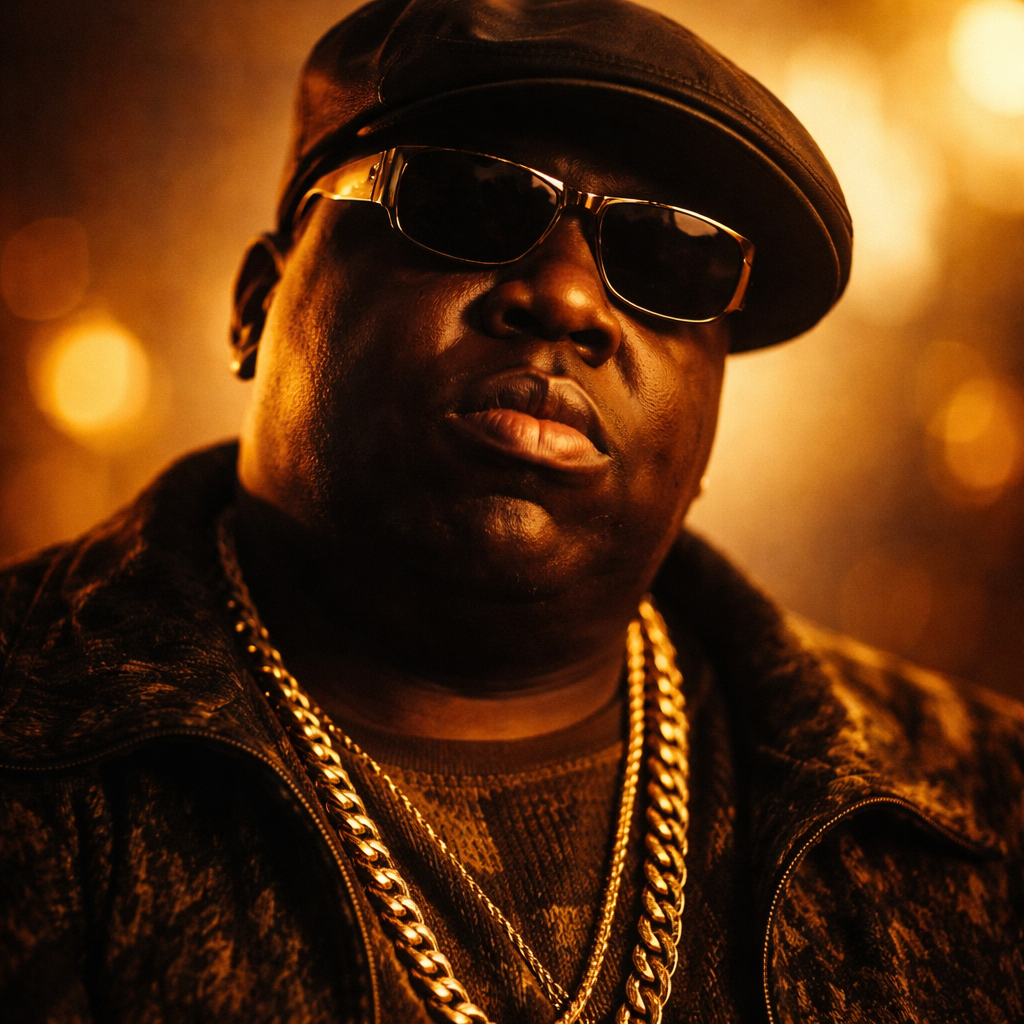
Christopher Wallace, the rapper known as the Notorious B.I.G. or Biggie Smalls, was shot four times while sitting in the passenger seat of a Chevrolet Suburban at a red light in Los Angeles on March 9, 1997. He was 24 years old. Six months after the murder of Tupac Shakur in Las Vegas, hip-hop had now lost both of its biggest stars to gun violence, and the East Coast-West Coast rivalry that had consumed the genre's attention for two years had produced its inevitable, lethal conclusion.

Wallace was born on May 21, 1972, in Brooklyn, New York, and grew up in the Clinton Hill neighborhood. His mother, a Jamaican immigrant, was a preschool teacher. Wallace was an exceptional student who attended the private Queen of All Saints school, but he dropped out of high school at 17 to sell crack cocaine on the streets of Bedford-Stuyvesant. He was arrested on weapons charges in North Carolina in 1989 and spent nine months in jail.

His demo tape reached the offices of The Source magazine, where it was featured in the "Unsigned Hype" column. Sean "Puffy" Combs signed Wallace to his Bad Boy Records label. His debut album, Ready to Die, released in September 1994, was immediately recognized as a masterpiece of narrative rap. Tracks like "Juicy," "Big Poppa," and "Things Done Changed" combined storytelling detail with a laid-back flow that made complex rhyme schemes sound effortless.

The feud with Tupac Shakur, once a friend, escalated after Shakur was shot and robbed at Quad Recording Studios in New York in November 1994. Shakur blamed Wallace and Combs, though no evidence connected them. The conflict became public through diss tracks, magazine interviews, and award show confrontations, amplified by an industry that profited from the spectacle. Shakur was murdered on September 7, 1996, in Las Vegas. His killing was never solved.

Wallace traveled to Los Angeles in March 1997 to promote his second album, Life After Death, and attend the Soul Train Music Awards. After an industry party at the Petersen Automotive Museum on Wilshire Boulevard, his SUV was stopped at a red light when a dark-colored Chevrolet Impala pulled alongside. The driver fired multiple rounds from a 9mm pistol. Wallace was pronounced dead at Cedars-Sinai Medical Center at 1:15 AM.

His murder has never been solved, though investigators have pursued theories involving gang connections and rogue LAPD officers. Life After Death, released sixteen days after his killing, debuted at number one and is certified Diamond.
1997

Christopher Wallace, the rapper known as the Notorious B.I.G. or Biggie Smalls, was shot four times while sitting in the passenger seat of a Chevrolet Suburban at a red light in Los Angeles on March 9, 1997. He was 24 years old. Six months after the murder of Tupac Shakur in Las Vegas, hip-hop had now lost both of its biggest stars to gun violence, and the East Coast-West Coast rivalry that had consumed the genre's attention for two years had produced its inevitable, lethal conclusion. Wallace was born on May 21, 1972, in Brooklyn, New York, and grew up in the Clinton Hill neighborhood. His mother, a Jamaican immigrant, was a preschool teacher. Wallace was an exceptional student who attended the private Queen of All Saints school, but he dropped out of high school at 17 to sell crack cocaine on the streets of Bedford-Stuyvesant. He was arrested on weapons charges in North Carolina in 1989 and spent nine months in jail. His demo tape reached the offices of The Source magazine, where it was featured in the "Unsigned Hype" column. Sean "Puffy" Combs signed Wallace to his Bad Boy Records label. His debut album, Ready to Die, released in September 1994, was immediately recognized as a masterpiece of narrative rap. Tracks like "Juicy," "Big Poppa," and "Things Done Changed" combined storytelling detail with a laid-back flow that made complex rhyme schemes sound effortless. The feud with Tupac Shakur, once a friend, escalated after Shakur was shot and robbed at Quad Recording Studios in New York in November 1994. Shakur blamed Wallace and Combs, though no evidence connected them. The conflict became public through diss tracks, magazine interviews, and award show confrontations, amplified by an industry that profited from the spectacle. Shakur was murdered on September 7, 1996, in Las Vegas. His killing was never solved. Wallace traveled to Los Angeles in March 1997 to promote his second album, Life After Death, and attend the Soul Train Music Awards. After an industry party at the Petersen Automotive Museum on Wilshire Boulevard, his SUV was stopped at a red light when a dark-colored Chevrolet Impala pulled alongside. The driver fired multiple rounds from a 9mm pistol. Wallace was pronounced dead at Cedars-Sinai Medical Center at 1:15 AM. His murder has never been solved, though investigators have pursued theories involving gang connections and rogue LAPD officers. Life After Death, released sixteen days after his killing, debuted at number one and is certified Diamond.

1044

The emperor's mistress got her own palace wing, wore purple silks reserved for empresses, and sat beside Constantine IX at state banquets while his actual wife — the legitimate empress Zoe — fumed in the background. When Constantine tried giving Maria the title "Augusta," Constantinople exploded. Thousands stormed the streets demanding he exile his lover, because Zoe wasn't just any empress: she was "born in the purple," daughter of Constantine VIII, the last of the Macedonian dynasty that had ruled for two centuries. Her blood made Constantine's throne legitimate. The rioters understood what the besotted emperor had forgotten — you could share a bed with whomever you wanted, but only one woman's lineage stood between him and a very short reign.

1566

They stabbed David Rizzio fifty-six times while Mary, Queen of Scots — six months pregnant — watched helplessly from across the supper table. On March 9, 1566, a group of Protestant Scottish nobles burst into the queen's private apartments at Holyrood Palace in Edinburgh, dragged her Italian secretary from the room, and murdered him in the outer chamber. Rizzio had been Mary's closest advisor, confidant, and possibly more — the gossip at court was vicious and deliberate. The conspirators included Mary's own husband, Lord Darnley, who had been convinced that Rizzio was both his wife's lover and the real father of her unborn child. Neither accusation was substantiated. The murder was not a crime of passion but a political conspiracy. The Protestant lords who organized it wanted to prevent Mary from restoring Catholicism in Scotland and to neutralize her relationship with France and the papacy, which Rizzio had facilitated as her correspondence secretary. Darnley's participation was secured by promises that he would be given the Crown Matrimonial, which would have made him king in his own right. The promises were never kept. Mary survived the trauma, gave birth to the future James VI three months later, and began plotting her revenge. Darnley was murdered less than a year later at Kirk o' Field, almost certainly with Mary's knowledge. The Rizzio assassination set in motion the chain of events — Darnley's murder, Mary's marriage to his likely killer Bothwell, the revolt of the Scottish lords, Mary's flight to England, and her eventual execution — that would consume the next twenty years of British political history.

1765

Voltaire turned a family tragedy into a three-year crusade that rewrote French justice. Jean Calas, a Protestant merchant in Toulouse, was convicted of murdering his son Marc-Antoine to prevent the young man's conversion to Catholicism. Calas was tortured and executed by breaking on the wheel on March 10, 1762. The evidence was circumstantial at best: Marc-Antoine had likely died by suicide, and the Catholic authorities in Toulouse had convicted Calas based on religious prejudice and community rumor rather than forensic proof. Voltaire learned of the case months after the execution and spent three years investigating the facts, publishing pamphlets, and mobilizing public opinion across Europe. His Treatise on Tolerance, published in 1763, used the Calas affair as the centerpiece of an argument against religious fanaticism and judicial corruption. The work was incendiary, elegant, and effective. Voltaire corresponded with monarchs, intellectuals, and jurists throughout Europe, building an international coalition of opinion that pressured the French legal establishment to reopen the case. On March 9, 1765, the Parlement of Paris reversed the conviction and declared Calas innocent. The family received financial compensation. The Calas affair became the Enlightenment's defining case study in the dangers of religious intolerance and the importance of due process. Voltaire's campaign demonstrated that sustained intellectual advocacy could overturn established judicial authority, a revolutionary concept in an era when courts operated largely without external scrutiny. The case influenced the religious tolerance provisions of the Declaration of the Rights of Man in 1789 and contributed to the broader philosophical framework that would produce modern human rights law.

1776

Smith wrote his masterpiece in a port town where he could watch ships unload tobacco and sugar—products of slave labor that powered the very trade networks he celebrated. The Wealth of Nations hit bookstores on March 9, 1776, the same year American colonists would declare independence using arguments about liberty that conveniently ignored the enslaved people producing their wealth. Smith actually opposed slavery on economic grounds, calling it inefficient, but he couldn't see how his "invisible hand" was already stained. His pin factory example—where 10 workers make 48,000 pins a day through division of labor—became the blueprint for industrial capitalism. But here's the thing: he also warned that this same system would turn workers into idiots, their minds dulled by repetitive tasks. The father of free markets predicted its greatest human cost.

1841

The enslaved Africans aboard the Amistad didn't just win their freedom — they argued their own case before a hostile legal system and prevailed. In 1839, fifty-three captives from Sierra Leone, led by Sengbe Pieh (known in court as Cinque), revolted aboard the Spanish slave ship La Amistad off the coast of Cuba, killed the captain and cook, and attempted to sail back to Africa. The ship was intercepted by the U.S. Navy near Long Island. The captives were imprisoned in Connecticut and charged with murder and piracy. The case reached the Supreme Court in 1841, where former President John Quincy Adams, at seventy-three years old, argued for the Africans' freedom in an eight-hour presentation. The legal question was whether the captives were property or persons. Spain demanded their return as cargo under existing treaties. The Van Buren administration supported Spain's claim. Adams argued that the captives had been illegally kidnapped from Africa in violation of international treaties banning the transatlantic slave trade. The Supreme Court ruled 7-1 in favor of the Africans on March 9, 1841, finding that they were free individuals who had been kidnapped and had the right to use force to escape captivity. The decision was carefully limited — it did not challenge the legality of slavery in the United States — but it established that Africans brought to the Americas in violation of slave trade prohibitions retained their legal personhood. The thirty-five surviving captives returned to Sierra Leone in 1842. The Amistad case became a landmark in both legal history and the abolitionist movement.

1842

Six years before Sutter's Mill made California famous, Francisco López found gold flakes clinging to wild onion roots near present-day Newhall. He'd been gathering onions for lunch. López's discovery sparked California's first gold rush—2,000 miners flooded Placerita Canyon within months. But here's the thing: López couldn't claim the land under Mexican law, and when the U.S. seized California in 1848, American prospectors wrote him out of the story entirely. They needed their origin myth to begin with an American finding gold on American soil, so James Marshall got the credit while López disappeared from history.

1842

Giuseppe Verdi didn't want to write another note. His wife and two children had all died within months of each other, his second opera had flopped, and he was ready to abandon composition permanently. Then Bartolomeo Merelli, the impresario of La Scala, handed him the libretto for Nabucco. Verdi tossed it on a table. It fell open to the chorus "Va, pensiero" — the Hebrew slaves' lament for their homeland. He read it, couldn't stop thinking about it, and wrote the opera in a sustained creative frenzy. Nabucco premiered at La Scala in Milan on March 9, 1842, and was an instant sensation. "Va, pensiero" became an unofficial anthem of Italian unification, its story of an enslaved people yearning for freedom resonating with Italians living under Austrian occupation. Audiences wept. They demanded encores. The chorus became a vehicle for patriotic sentiment that Austrian censors couldn't easily suppress because it was nominally about ancient Babylon, not modern Italy. Nabucco saved Verdi's career and launched his transformation from a provincial composer into Italy's most celebrated cultural figure. Over the next decade, he produced a succession of operas — Ernani, Macbeth, Rigoletto, Il Trovatore, La Traviata — that made him the dominant figure in Italian music. His name became an acronym for the unification movement: "Viva VERDI" meant "Viva Vittorio Emanuele Re D'Italia." A libretto that fell open to the right page produced an opera that became the soundtrack of Italian independence.

1847

Winfield Scott borrowed the entire U.S. Navy for his gamble. Every available warship — 200 vessels total — converged on Veracruz, Mexico, for the first large-scale amphibious assault in American military history on March 9, 1847. Roughly 12,000 troops were landed on the beaches south of the city using specially designed surfboats that could carry 50 soldiers each through the breakers. The landing was unopposed. Mexican forces watched from Veracruz's fortifications as the Americans established a beachhead without firing a shot. The siege that followed lasted three weeks. Scott chose to bombard the city rather than assault its walls directly, calculating that fewer American casualties were worth the civilian suffering caused by artillery fire. The bombardment was intense: American guns and naval vessels fired over 6,700 shells into the city, destroying buildings and killing hundreds of civilians along with military defenders. The city surrendered on March 29. Scott's Veracruz campaign was a calculated risk. Landing an army on a foreign shore with the technology available in 1847 was extraordinarily dangerous. The surfboats were primitive. The logistics of supplying 12,000 men through an open beach were barely understood. Yellow fever season was approaching, and prolonged operations on the coast risked epidemic losses. Scott's decision to move quickly, accept the moral cost of bombardment, and march inland before disease could establish itself was vindicated: his army reached Mexico City by September 1847, winning every engagement along the route. The Veracruz landing established the template for American amphibious operations that would culminate in the Pacific island-hopping campaigns of World War II.

Fun Facts

Zodiac Sign

Pisces

Feb 19 -- Mar 20

Water sign. Compassionate, intuitive, and artistic.

Birthstone

Aquamarine

Pale blue

Symbolizes courage, serenity, and clear communication.

Next Birthday

--

days until March 9

Quote of the Day

“I don't keep any close friends. I don't keep any secrets. I don't need friends. I just tell everybody everything, that's all.”

Share Your Birthday

Create a beautiful birthday card with events and famous birthdays for March 9.

Create Birthday Card

Explore Nearby Dates

Popular Dates

Explore more about March 9 in history. See the full date page for all events, browse March, or look up another birthday. Play history games or talk to historical figures.