Today In History logo TIH

Today In History

March 12 in History

Your birthday shares the stage with stories that shaped the world. Born on this day: Julia Lennon, Mitt Romney, and Andrew Young.

Gandhi Leads Salt March: Nonviolence Challenges British Rule
1930Event

Gandhi Leads Salt March: Nonviolence Challenges British Rule

Seventy-eight men walked out of the Sabarmati Ashram behind a sixty-year-old man in a loincloth, heading for the Arabian Sea 240 miles away. By the time Mahatma Gandhi reached the coastal village of Dandi twenty-four days later, on April 5, 1930, the procession had swelled to tens of thousands, and the British Empire faced the most effective act of civil disobedience in modern history. Gandhi chose salt as his target with surgical precision. The British salt tax affected every Indian, rich and poor, Hindu and Muslim. Making or collecting salt without paying the government levy was a criminal offense. The simplicity of the injustice made it impossible to justify and easy to understand, giving Gandhi exactly the symbolic issue he needed to unite a fractious independence movement. The march began on March 12, 1930. Gandhi and his followers walked roughly 12 miles per day, stopping in villages along the route where he spoke to crowds that grew larger at each stop. He gave interviews to foreign journalists who broadcast the spectacle worldwide. The New York Times ran near-daily coverage. At Surat, 30,000 people lined the road. By the time the marchers reached the coast, over 50,000 had gathered. Gandhi walked to the shoreline at Dandi on April 6, picked up a handful of natural salt from the mud flats, and declared the British salt laws broken. The gesture sparked a wave of civil disobedience across India. Millions of Indians began making their own salt. British authorities arrested over 60,000 people in the following weeks, including Gandhi himself on May 5. The brutality of the crackdown, particularly the beating of nonviolent protesters at the Dharasana salt works, generated international outrage. The Salt March did not win Indian independence immediately, but it demolished the moral authority of British rule. Seventeen years later, India was free.

Famous Birthdays

Julia Lennon
Julia Lennon

1914–1958

Andrew Young

Andrew Young

b. 1932

Herb Kelleher

Herb Kelleher

1931–2019

Pete Doherty

Pete Doherty

b. 1979

William Henry Perkin

William Henry Perkin

1838–1907

Giuliano de' Medici

Giuliano de' Medici

d. 1478

Harry Harrison

Harry Harrison

1925–2012

John Abbott

John Abbott

1821–1893

Leo Esaki

Leo Esaki

b. 1925

Marlon Jackson

Marlon Jackson

b. 1957

Raúl Alfonsín

Raúl Alfonsín

1927–2009

Historical Events

Seventy-eight men walked out of the Sabarmati Ashram behind a sixty-year-old man in a loincloth, heading for the Arabian Sea 240 miles away. By the time Mahatma Gandhi reached the coastal village of Dandi twenty-four days later, on April 5, 1930, the procession had swelled to tens of thousands, and the British Empire faced the most effective act of civil disobedience in modern history.

Gandhi chose salt as his target with surgical precision. The British salt tax affected every Indian, rich and poor, Hindu and Muslim. Making or collecting salt without paying the government levy was a criminal offense. The simplicity of the injustice made it impossible to justify and easy to understand, giving Gandhi exactly the symbolic issue he needed to unite a fractious independence movement.

The march began on March 12, 1930. Gandhi and his followers walked roughly 12 miles per day, stopping in villages along the route where he spoke to crowds that grew larger at each stop. He gave interviews to foreign journalists who broadcast the spectacle worldwide. The New York Times ran near-daily coverage. At Surat, 30,000 people lined the road. By the time the marchers reached the coast, over 50,000 had gathered.

Gandhi walked to the shoreline at Dandi on April 6, picked up a handful of natural salt from the mud flats, and declared the British salt laws broken. The gesture sparked a wave of civil disobedience across India. Millions of Indians began making their own salt. British authorities arrested over 60,000 people in the following weeks, including Gandhi himself on May 5. The brutality of the crackdown, particularly the beating of nonviolent protesters at the Dharasana salt works, generated international outrage.

The Salt March did not win Indian independence immediately, but it demolished the moral authority of British rule. Seventeen years later, India was free.
1930

Seventy-eight men walked out of the Sabarmati Ashram behind a sixty-year-old man in a loincloth, heading for the Arabian Sea 240 miles away. By the time Mahatma Gandhi reached the coastal village of Dandi twenty-four days later, on April 5, 1930, the procession had swelled to tens of thousands, and the British Empire faced the most effective act of civil disobedience in modern history. Gandhi chose salt as his target with surgical precision. The British salt tax affected every Indian, rich and poor, Hindu and Muslim. Making or collecting salt without paying the government levy was a criminal offense. The simplicity of the injustice made it impossible to justify and easy to understand, giving Gandhi exactly the symbolic issue he needed to unite a fractious independence movement. The march began on March 12, 1930. Gandhi and his followers walked roughly 12 miles per day, stopping in villages along the route where he spoke to crowds that grew larger at each stop. He gave interviews to foreign journalists who broadcast the spectacle worldwide. The New York Times ran near-daily coverage. At Surat, 30,000 people lined the road. By the time the marchers reached the coast, over 50,000 had gathered. Gandhi walked to the shoreline at Dandi on April 6, picked up a handful of natural salt from the mud flats, and declared the British salt laws broken. The gesture sparked a wave of civil disobedience across India. Millions of Indians began making their own salt. British authorities arrested over 60,000 people in the following weeks, including Gandhi himself on May 5. The brutality of the crackdown, particularly the beating of nonviolent protesters at the Dharasana salt works, generated international outrage. The Salt March did not win Indian independence immediately, but it demolished the moral authority of British rule. Seventeen years later, India was free.

Mahatma Gandhi set out on a 240-mile march to the Arabian Sea on March 12, 1930, to protest Britain's salt monopoly, picking up thousands of followers along the way. When he reached Dandi twenty-four days later and scooped a handful of natural salt from the mud flats, the act of defiance against an unjust tax ignited a nationwide civil disobedience movement that drew over 60,000 arrests.

The British salt laws made it illegal for any Indian to make, collect, or sell salt without paying a government tax. The levy fell hardest on the poorest citizens, who could barely afford the commodity essential to life in a tropical climate. Gandhi recognized that salt was the one issue capable of uniting India's deeply divided population across caste, religion, and class lines.

Gandhi and 78 volunteers departed the Sabarmati Ashram at 6:30 AM on March 12. The marchers covered about 12 miles daily, sleeping in open fields and accepting only food and water from villages along the route. Foreign correspondents followed the procession, filing dispatches that turned the march into an international media event. The New York Times published front-page stories in the final days of the journey.

At each village, local officials resigned their posts in solidarity. Crowds swelled from hundreds to thousands to tens of thousands. By the time the marchers reached the coast near Dandi, the procession stretched for over two miles. Gandhi arrived on April 5, prayed through the night, and walked to the shore at dawn on April 6 to break the salt laws.

The act triggered mass civil disobedience across India. Indians manufactured salt on beaches and rooftops. British police responded with mass arrests and violent crackdowns, most notoriously at the Dharasana salt works, where American journalist Webb Miller documented police beating nonresisting protesters with steel-tipped clubs.

The march did not end British rule, but it ended the illusion that British rule was just.
1930

Mahatma Gandhi set out on a 240-mile march to the Arabian Sea on March 12, 1930, to protest Britain's salt monopoly, picking up thousands of followers along the way. When he reached Dandi twenty-four days later and scooped a handful of natural salt from the mud flats, the act of defiance against an unjust tax ignited a nationwide civil disobedience movement that drew over 60,000 arrests. The British salt laws made it illegal for any Indian to make, collect, or sell salt without paying a government tax. The levy fell hardest on the poorest citizens, who could barely afford the commodity essential to life in a tropical climate. Gandhi recognized that salt was the one issue capable of uniting India's deeply divided population across caste, religion, and class lines. Gandhi and 78 volunteers departed the Sabarmati Ashram at 6:30 AM on March 12. The marchers covered about 12 miles daily, sleeping in open fields and accepting only food and water from villages along the route. Foreign correspondents followed the procession, filing dispatches that turned the march into an international media event. The New York Times published front-page stories in the final days of the journey. At each village, local officials resigned their posts in solidarity. Crowds swelled from hundreds to thousands to tens of thousands. By the time the marchers reached the coast near Dandi, the procession stretched for over two miles. Gandhi arrived on April 5, prayed through the night, and walked to the shore at dawn on April 6 to break the salt laws. The act triggered mass civil disobedience across India. Indians manufactured salt on beaches and rooftops. British police responded with mass arrests and violent crackdowns, most notoriously at the Dharasana salt works, where American journalist Webb Miller documented police beating nonresisting protesters with steel-tipped clubs. The march did not end British rule, but it ended the illusion that British rule was just.

Eight days into his presidency, with the American banking system in freefall, Franklin Roosevelt sat before a microphone in the White House and spoke directly to the American people for the first time. The March 12, 1933 broadcast reached an estimated 60 million listeners, roughly half the country's population, and introduced a new form of political communication that would define Roosevelt's twelve-year presidency.

The banking crisis demanded immediate reassurance. Roosevelt had declared a four-day bank holiday on March 6, shutting every bank in the country to stop the panic withdrawals that had already destroyed thousands of institutions. Americans had been stuffing cash into mattresses and coffee cans for months. The question hanging over the reopening was whether depositors would return their money or trigger a second, fatal run.

Roosevelt's genius was his tone. He avoided economic jargon and spoke as if explaining the situation to a neighbor across the kitchen table. "I want to talk for a few minutes with the people of the United States about banking," he began, then walked listeners through how banks operated, why sound institutions had been forced to close, and what the government was doing to ensure their safety. He asked Americans to trust the system again: "I can assure you that it is safer to keep your money in a reopened bank than under the mattress."

The response was immediate and overwhelming. When banks reopened on March 13, deposits exceeded withdrawals. The bank panic was over. No piece of legislation accomplished what a single radio address achieved in thirty minutes. Roosevelt would deliver 30 fireside chats over the next twelve years, covering everything from the New Deal to D-Day, creating an intimate bond between president and public that no predecessor had attempted.

The fireside chat transformed the presidency from a distant institution into a personal relationship with the American people.
1933

Eight days into his presidency, with the American banking system in freefall, Franklin Roosevelt sat before a microphone in the White House and spoke directly to the American people for the first time. The March 12, 1933 broadcast reached an estimated 60 million listeners, roughly half the country's population, and introduced a new form of political communication that would define Roosevelt's twelve-year presidency. The banking crisis demanded immediate reassurance. Roosevelt had declared a four-day bank holiday on March 6, shutting every bank in the country to stop the panic withdrawals that had already destroyed thousands of institutions. Americans had been stuffing cash into mattresses and coffee cans for months. The question hanging over the reopening was whether depositors would return their money or trigger a second, fatal run. Roosevelt's genius was his tone. He avoided economic jargon and spoke as if explaining the situation to a neighbor across the kitchen table. "I want to talk for a few minutes with the people of the United States about banking," he began, then walked listeners through how banks operated, why sound institutions had been forced to close, and what the government was doing to ensure their safety. He asked Americans to trust the system again: "I can assure you that it is safer to keep your money in a reopened bank than under the mattress." The response was immediate and overwhelming. When banks reopened on March 13, deposits exceeded withdrawals. The bank panic was over. No piece of legislation accomplished what a single radio address achieved in thirty minutes. Roosevelt would deliver 30 fireside chats over the next twelve years, covering everything from the New Deal to D-Day, creating an intimate bond between president and public that no predecessor had attempted. The fireside chat transformed the presidency from a distant institution into a personal relationship with the American people.

Several hundred Spanish soldiers and their indigenous allies defeated a Mapuche army vastly outnumbering them at the Battle of Penco on March 12, 1550, securing Pedro de Valdivia's hold on central Chile and pushing Spanish colonial control further south than it had ever reached. Contemporary accounts claimed the Mapuche force numbered as many as 60,000, though modern historians consider that figure exaggerated.

Valdivia had founded the settlement of Concepcion near the bay of Penco just weeks before the battle, establishing it as a base for further expansion into Mapuche territory. The Mapuche, a confederation of fiercely independent indigenous peoples who inhabited the lands south of the Bio-Bio River, recognized the threat immediately. They assembled a large army and attacked the fledgling Spanish position.

The Spanish advantage lay entirely in technology and tactics. Steel armor, cavalry charges, crossbows, and a small number of firearms proved devastating against warriors armed primarily with clubs, spears, and bows. Valdivia deployed his horsemen in concentrated charges that broke Mapuche formations, while indigenous allies familiar with local warfare supplemented the thin Spanish ranks. The battle reportedly lasted most of the day before the Mapuche force withdrew.

The victory at Penco gave Valdivia confidence to push deeper into Mapuche lands, founding several more settlements over the following years. His ambition proved fatal. In 1553, the Mapuche leader Lautaro, who had served as Valdivia's stable boy and learned Spanish military tactics firsthand, organized a devastating counterattack. Valdivia was captured and killed at the Battle of Tucapel on Christmas Day 1553.

The Arauco War that began with Penco continued for over 300 years, making the Mapuche one of the few indigenous peoples in the Americas to successfully resist European conquest through sustained military resistance.
1550

Several hundred Spanish soldiers and their indigenous allies defeated a Mapuche army vastly outnumbering them at the Battle of Penco on March 12, 1550, securing Pedro de Valdivia's hold on central Chile and pushing Spanish colonial control further south than it had ever reached. Contemporary accounts claimed the Mapuche force numbered as many as 60,000, though modern historians consider that figure exaggerated. Valdivia had founded the settlement of Concepcion near the bay of Penco just weeks before the battle, establishing it as a base for further expansion into Mapuche territory. The Mapuche, a confederation of fiercely independent indigenous peoples who inhabited the lands south of the Bio-Bio River, recognized the threat immediately. They assembled a large army and attacked the fledgling Spanish position. The Spanish advantage lay entirely in technology and tactics. Steel armor, cavalry charges, crossbows, and a small number of firearms proved devastating against warriors armed primarily with clubs, spears, and bows. Valdivia deployed his horsemen in concentrated charges that broke Mapuche formations, while indigenous allies familiar with local warfare supplemented the thin Spanish ranks. The battle reportedly lasted most of the day before the Mapuche force withdrew. The victory at Penco gave Valdivia confidence to push deeper into Mapuche lands, founding several more settlements over the following years. His ambition proved fatal. In 1553, the Mapuche leader Lautaro, who had served as Valdivia's stable boy and learned Spanish military tactics firsthand, organized a devastating counterattack. Valdivia was captured and killed at the Battle of Tucapel on Christmas Day 1553. The Arauco War that began with Penco continued for over 300 years, making the Mapuche one of the few indigenous peoples in the Americas to successfully resist European conquest through sustained military resistance.

Joseph Biedenharn, a candy store owner in Vicksburg, Mississippi, packed Coca-Cola syrup into glass Hutchinson bottles and shipped them to rural customers in 1894, creating the first bottled Coca-Cola and accidentally launching one of the most recognizable consumer products on earth. The drink had existed only as a fountain beverage since its invention by Atlanta pharmacist John Pemberton in 1886, and Biedenharn saw bottling as a way to reach customers who lived far from soda fountains.

Biedenharn sent several cases of his bottled Coca-Cola to Asa Griggs Candler, who had purchased the formula and trademark from Pemberton's estate and built The Coca-Cola Company into a regional powerhouse. Candler was unimpressed. He saw Coca-Cola as a fountain drink and had little interest in the bottling business, which he considered a distraction from the syrup sales that drove his profits.

The bottling revolution Biedenharn started came not from Candler's initiative but from two Chattanooga lawyers, Benjamin Thomas and Joseph Whitehead, who convinced Candler to grant them exclusive bottling rights in 1899 for the cost of one dollar. Candler, still dismissive of bottling's potential, essentially gave away the rights to what would become the most valuable distribution network in consumer goods history.

Thomas and Whitehead established a franchise system in which independent bottlers purchased Coca-Cola syrup and produced the finished product locally, allowing rapid nationwide expansion without requiring the company to build its own plants. By 1920, over 1,000 bottling plants operated across the United States. The iconic contour bottle, designed in 1915 to be recognizable even in the dark or when broken, gave the brand a physical identity that transcended language and literacy.

Biedenharn's simple act of putting a fountain drink into a portable container transformed a regional tonic into the world's most ubiquitous commercial product, now sold in over 200 countries.
1894

Joseph Biedenharn, a candy store owner in Vicksburg, Mississippi, packed Coca-Cola syrup into glass Hutchinson bottles and shipped them to rural customers in 1894, creating the first bottled Coca-Cola and accidentally launching one of the most recognizable consumer products on earth. The drink had existed only as a fountain beverage since its invention by Atlanta pharmacist John Pemberton in 1886, and Biedenharn saw bottling as a way to reach customers who lived far from soda fountains. Biedenharn sent several cases of his bottled Coca-Cola to Asa Griggs Candler, who had purchased the formula and trademark from Pemberton's estate and built The Coca-Cola Company into a regional powerhouse. Candler was unimpressed. He saw Coca-Cola as a fountain drink and had little interest in the bottling business, which he considered a distraction from the syrup sales that drove his profits. The bottling revolution Biedenharn started came not from Candler's initiative but from two Chattanooga lawyers, Benjamin Thomas and Joseph Whitehead, who convinced Candler to grant them exclusive bottling rights in 1899 for the cost of one dollar. Candler, still dismissive of bottling's potential, essentially gave away the rights to what would become the most valuable distribution network in consumer goods history. Thomas and Whitehead established a franchise system in which independent bottlers purchased Coca-Cola syrup and produced the finished product locally, allowing rapid nationwide expansion without requiring the company to build its own plants. By 1920, over 1,000 bottling plants operated across the United States. The iconic contour bottle, designed in 1915 to be recognizable even in the dark or when broken, gave the brand a physical identity that transcended language and literacy. Biedenharn's simple act of putting a fountain drink into a portable container transformed a regional tonic into the world's most ubiquitous commercial product, now sold in over 200 countries.

Eighty people died when a charter aircraft crashed while attempting to land at Llandow airfield near Sigingstone in the Vale of Glamorgan, Wales, on March 12, 1950. The disaster was the world's deadliest aviation accident at the time, and most of the victims were Welsh rugby supporters returning from watching Wales defeat France 21-0 in Paris the day before.

The Avro Tudor V aircraft, operated by Fairflight Ltd, departed Paris-Le Bourget that Sunday carrying 78 passengers and five crew members. The flight was organized by the Welsh Rugby Union Supporters Club, and the passengers included families, couples, and groups of friends celebrating Wales's Six Nations victory. The mood aboard was reportedly jubilant.

As the aircraft approached Llandow airfield at approximately 3:30 PM, witnesses on the ground noticed it flying unusually low and slow. The Tudor V stalled during its final approach, dropped sharply, and struck a field approximately half a mile short of the runway. The aircraft broke apart on impact, scattering wreckage across farmland. Three passengers initially survived the crash but one died within hours, leaving only two survivors from 83 people aboard.

The subsequent investigation determined that the aircraft was flying too slowly on its approach, causing an aerodynamic stall at an altitude too low for recovery. The Tudor V aircraft type, a modified version of the Avro Tudor airliner, had already developed a troubled reputation. Two Tudor IV aircraft had disappeared over the Atlantic in 1948 and 1949, and the type was eventually withdrawn from passenger service.

The Llandow disaster devastated Welsh communities. Entire families were wiped out. Several small towns lost multiple residents. Memorial services drew thousands of mourners, and the crash remained the world's worst air disaster for three years, until a U.S. Air Force transport crashed in Alaska in 1950 with 44 aboard, and later surpassed by the 1953 BOAC Comet disasters.

The crash accelerated calls for stricter air safety regulations and contributed to the eventual grounding of the Tudor fleet.
1950

Eighty people died when a charter aircraft crashed while attempting to land at Llandow airfield near Sigingstone in the Vale of Glamorgan, Wales, on March 12, 1950. The disaster was the world's deadliest aviation accident at the time, and most of the victims were Welsh rugby supporters returning from watching Wales defeat France 21-0 in Paris the day before. The Avro Tudor V aircraft, operated by Fairflight Ltd, departed Paris-Le Bourget that Sunday carrying 78 passengers and five crew members. The flight was organized by the Welsh Rugby Union Supporters Club, and the passengers included families, couples, and groups of friends celebrating Wales's Six Nations victory. The mood aboard was reportedly jubilant. As the aircraft approached Llandow airfield at approximately 3:30 PM, witnesses on the ground noticed it flying unusually low and slow. The Tudor V stalled during its final approach, dropped sharply, and struck a field approximately half a mile short of the runway. The aircraft broke apart on impact, scattering wreckage across farmland. Three passengers initially survived the crash but one died within hours, leaving only two survivors from 83 people aboard. The subsequent investigation determined that the aircraft was flying too slowly on its approach, causing an aerodynamic stall at an altitude too low for recovery. The Tudor V aircraft type, a modified version of the Avro Tudor airliner, had already developed a troubled reputation. Two Tudor IV aircraft had disappeared over the Atlantic in 1948 and 1949, and the type was eventually withdrawn from passenger service. The Llandow disaster devastated Welsh communities. Entire families were wiped out. Several small towns lost multiple residents. Memorial services drew thousands of mourners, and the crash remained the world's worst air disaster for three years, until a U.S. Air Force transport crashed in Alaska in 1950 with 44 aboard, and later surpassed by the 1953 BOAC Comet disasters. The crash accelerated calls for stricter air safety regulations and contributed to the eventual grounding of the Tudor fleet.

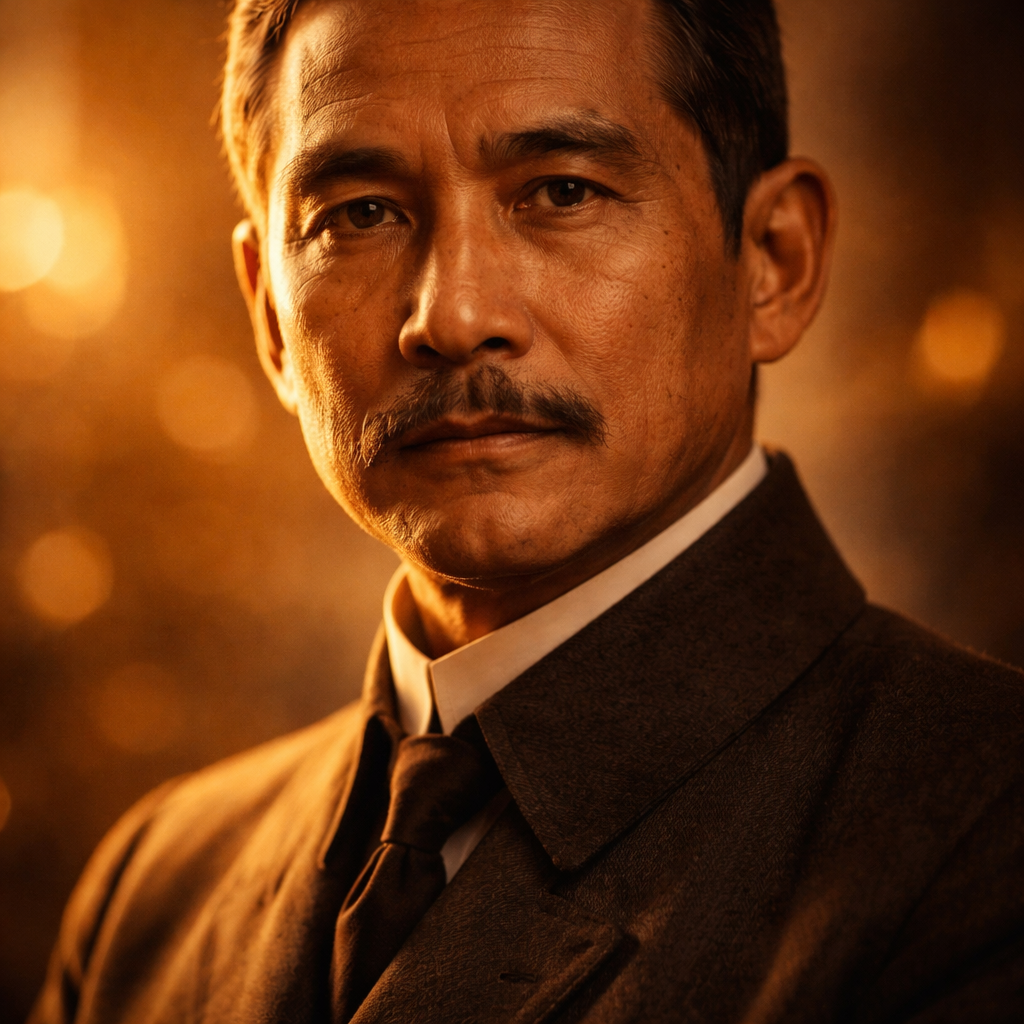
Sun Yat-sen spent most of his revolutionary career in exile, raising money from overseas Chinese communities to overthrow a dynasty that had ruled for 267 years. He organized ten failed uprisings before the Wuchang Uprising of October 1911 finally toppled the Qing, and he was in Denver, Colorado, when he read about the revolution's success in a newspaper.

Born in Guangdong Province in 1866, Sun moved to Hawaii as a teenager, where Western education shaped his political thinking. He studied medicine in Hong Kong but abandoned medical practice almost immediately, convinced that China's political sickness required a different kind of treatment. His Three Principles of the People, developed over decades of revolutionary activism, blended nationalism, democracy, and social welfare into a framework for modernizing China.

Sun served as provisional president of the Republic of China for barely three months after the 1912 revolution before yielding power to Yuan Shikai, the military strongman who commanded the loyalty of the northern armies. Yuan's betrayal of republican principles and attempt to restore the monarchy vindicated Sun's warnings but left him politically marginalized for years.

Sun spent the next decade rebuilding his political base, eventually establishing a rival government in Guangzhou with support from the Soviet Union and reorganizing his Kuomintang party along Leninist lines. He accepted Communist members into the KMT in a united front strategy aimed at unifying China by military force. The Northern Expedition he planned to overthrow the warlords who had carved up the country would launch a year after his death.

Sun died of liver cancer in Beijing on March 12, 1925, at age fifty-eight. Both the Chinese Communist Party and the Kuomintang claimed his legacy, and both the People's Republic and the Republic of China on Taiwan honor him as the father of modern China.

His death left a leadership vacuum that Chiang Kai-shek filled with military force and the Communists would ultimately exploit.
1925

Sun Yat-sen spent most of his revolutionary career in exile, raising money from overseas Chinese communities to overthrow a dynasty that had ruled for 267 years. He organized ten failed uprisings before the Wuchang Uprising of October 1911 finally toppled the Qing, and he was in Denver, Colorado, when he read about the revolution's success in a newspaper. Born in Guangdong Province in 1866, Sun moved to Hawaii as a teenager, where Western education shaped his political thinking. He studied medicine in Hong Kong but abandoned medical practice almost immediately, convinced that China's political sickness required a different kind of treatment. His Three Principles of the People, developed over decades of revolutionary activism, blended nationalism, democracy, and social welfare into a framework for modernizing China. Sun served as provisional president of the Republic of China for barely three months after the 1912 revolution before yielding power to Yuan Shikai, the military strongman who commanded the loyalty of the northern armies. Yuan's betrayal of republican principles and attempt to restore the monarchy vindicated Sun's warnings but left him politically marginalized for years. Sun spent the next decade rebuilding his political base, eventually establishing a rival government in Guangzhou with support from the Soviet Union and reorganizing his Kuomintang party along Leninist lines. He accepted Communist members into the KMT in a united front strategy aimed at unifying China by military force. The Northern Expedition he planned to overthrow the warlords who had carved up the country would launch a year after his death. Sun died of liver cancer in Beijing on March 12, 1925, at age fifty-eight. Both the Chinese Communist Party and the Kuomintang claimed his legacy, and both the People's Republic and the Republic of China on Taiwan honor him as the father of modern China. His death left a leadership vacuum that Chiang Kai-shek filled with military force and the Communists would ultimately exploit.

538

Belisarius held Rome with just 5,000 men against an Ostrogothic army of 150,000. For over a year, Vitiges surrounded the city, cutting aqueducts and starving the population, yet the Byzantine general turned every assault into a masterclass in defensive warfare—sallies at dawn, ambushes in the suburbs, holding seven gates with rotating cavalry units. When Vitiges finally retreated to Ravenna in March 538, he'd lost tens of thousands of soldiers to a force thirty times smaller. The victory didn't just save Rome for Byzantium. It convinced Justinian that Italy could be reconquered, triggering two more decades of war that would devastate the peninsula so thoroughly that it wouldn't recover its population levels for 500 years. Sometimes winning costs more than losing.

1088

The French monk elected pope in 1088 couldn't even enter Rome for a year — his rival already occupied the papal throne. Odo of Châtillon, who took the name Urban II, spent months wandering Italy, building alliances, waiting. When he finally secured Rome, he faced a fractured church and an emboldened Islam. His solution? A speech at Clermont in 1095 that promised salvation through warfare. He expected a few thousand knights. Instead, over 100,000 peasants, nobles, and clergy answered his call to reclaim Jerusalem. The Crusades would rage for two centuries, reshape three continents, and establish a template for holy war that echoes today. The pope who couldn't control one city launched a conflict that redrew the world.

1811

Ney earned his nickname "Bravest of the Brave" by being the last man standing—twice in 48 hours. At Redinha, the French marshal commanded just 6,000 troops against Wellington's 50,000, buying precious time for Napoleon's starving army to escape Portugal. He positioned his men on ridges, fired volleys, then slipped away before the British could flank him. The day before at Pombal, he'd pulled the exact same trick. Wellington grew so frustrated with Ney's disappearing act that he compared chasing the French rearguard to "pursuing a fox." Three years later, that same fox would hold the center at Waterloo—fighting for Napoleon until the very end.

1862

The ship's captain knew. When Brother Jonathan steamed into Fort Victoria's harbor in March 1862, its crew had already watched passengers break out in telltale pustules during the voyage from San Francisco. But commerce won over quarantine. Within weeks, smallpox tore through the Coast Salish villages surrounding the harbor. Colonial authorities then forcibly expelled infected Indigenous people from Victoria, driving them north and inland—spreading the disease to communities that might've been spared. The Haida population crashed from roughly 10,000 to 1,500. The Tsimshian lost 12,000. Entire villages vanished in months. What started as one captain's decision to dock became the greatest demographic catastrophe in Pacific Northwest history—not an accident of contact, but a choice.

1881

He captained Scotland in his very first match. Andrew Watson, born in British Guiana to a Scottish planter and an enslaved woman, didn't just break football's color barrier in 1881—he led the entire team against England at the Oval, winning 6-1. The Glasgow club Queen's Park had already made him their captain years earlier, but international football? That was different. Watson played three times for Scotland, never losing a single match. Then he vanished from the record books for over a century, his story buried so thoroughly that FIFA didn't acknowledge him as the world's first black international player until 2004. Turns out the most successful captain in early Scottish football history had been erased simply because no one thought to remember him.

1913

The wife of the Governor-General opened an envelope and read a name nobody had heard before: Canberra. Lady Denman's announcement on March 12, 1913, ended years of bitter rivalry between Sydney and Melbourne, who'd fought so viciously over becoming Australia's capital that the government chose empty sheep-grazing land instead. The name came from a local Aboriginal word meaning "meeting place," though the Ngunnawal people weren't invited to the ceremony. For fourteen more years, Melbourne stayed the working capital while Canberra remained little more than surveyor stakes and architect Walter Burley Griffin's blueprints gathering dust. Australia ran its government from a "temporary" city for longer than some nations have existed.

1940

The engineer never saw the signal change. On December 29, 1940, two passenger trains collided head-on at Turenki station because a dispatcher's miscommunication sent both locomotives onto the same track at full speed. 39 dead, 69 injured—Finland's worst rail disaster happened during the brief peace between the Winter War and Continuation War, when the country desperately needed every able body for reconstruction. The crash led Finland to completely overhaul its railway signaling system, installing automatic blocks that physically prevented two trains from entering the same section of track. Sometimes the worst accidents become the blueprint for preventing all future ones.

1940

Finland won nearly every battle but still lost the war. After holding off Stalin's massive Red Army for 105 days—David against Goliath with skis and Molotov cocktails—the Finns signed away 11% of their territory on March 13, 1940. Within days, 422,000 Karelians abandoned their homes, farms, and family graves rather than live under Soviet rule. Not one chose to stay. The evacuees were resettled across Finland, each family carrying what they could, leaving behind a landscape of empty churches and silent villages. Stalin got his land buffer around Leningrad, but the fierce resistance convinced Hitler that the Soviet military was vulnerable—a miscalculation that would define the next five years of war.

Fun Facts

Zodiac Sign

Pisces

Feb 19 -- Mar 20

Water sign. Compassionate, intuitive, and artistic.

Birthstone

Aquamarine

Pale blue

Symbolizes courage, serenity, and clear communication.

Next Birthday

--

days until March 12

Quote of the Day

“Maybe that's what life is... a wink of the eye and winking stars.”

Share Your Birthday

Create a beautiful birthday card with events and famous birthdays for March 12.

Create Birthday Card

Explore Nearby Dates

Popular Dates

Explore more about March 12 in history. See the full date page for all events, browse March, or look up another birthday. Play history games or talk to historical figures.