Today In History logo TIH

Today In History

April 7 in History

Your birthday shares the stage with stories that shaped the world. Born on this day: Russell Crowe, Florian Schneider, and Francis Xavier.

Rwanda's Genocide Begins: 100 Days of Slaughter
1994Event

Rwanda's Genocide Begins: 100 Days of Slaughter

The assassination of President Juvenal Habyarimana on the evening of April 6, 1994, when his plane was shot down approaching Kigali airport, served as the trigger for a genocide that had been planned for months. Within hours of the crash, Hutu Power militias erected roadblocks across the capital and began systematically murdering Tutsi civilians and moderate Hutu politicians. Presidential Guard units assassinated Prime Minister Agathe Uwilingiyimana, and ten Belgian UN peacekeepers assigned to protect her were tortured and killed. By the morning of April 7, the killing was organized and accelerating. The genocide had deep roots in colonial manipulation. Belgian administrators had formalized the Hutu-Tutsi distinction in the 1930s, issuing ethnic identity cards and granting Tutsi a privileged position in colonial governance. After independence in 1962, the Hutu majority seized power and subjected Tutsi to periodic waves of violence that drove hundreds of thousands into exile. The Rwandan Patriotic Front, formed by Tutsi refugees in Uganda, invaded Rwanda in 1990, triggering a civil war that ended with the Arusha Accords power-sharing agreement in 1993. Hutu extremists viewed the accords as a surrender. The killing infrastructure was built in plain sight. Radio Television Libre des Mille Collines broadcast anti-Tutsi propaganda for months before the genocide, referring to Tutsi as "inyenzi" (cockroaches) and calling for their extermination. The Interahamwe militia, nominally a youth wing of the ruling party, was trained and armed by the Rwandan military. Machetes were imported in massive quantities, distributed to civilian populations, and stored at collection points throughout the country. Foreign diplomats, journalists, and UN officials reported the preparations. The international community did nothing. Over approximately 100 days, an estimated 500,000 to 1,000,000 people were murdered, constituting roughly 70 percent of Rwanda's Tutsi population and as much as 20 percent of the country's total population. Most victims were killed with machetes and clubs by their neighbors. The speed of the killing exceeded the Holocaust on a per-day basis. The United Nations, which had peacekeepers on the ground, withdrew most of its force. The United States refused to use the word "genocide" because doing so would have obligated intervention. The RPF, led by Paul Kagame, advanced from the north and ended the genocide by military victory in mid-July 1994.

Famous Birthdays

Francis Xavier
Francis Xavier

1506–1552

John Oates
John Oates

b. 1949

Ravi Shankar

Ravi Shankar

1920–2012

Tiki Barber

Tiki Barber

b. 1975

Karin Dreijer Andersson

Karin Dreijer Andersson

b. 1975

Historical Events

Emperor Justinian I commissioned the Corpus Juris Civilis in 529 AD, ordering the jurist Tribonian to compile, organize, and reconcile over a thousand years of Roman legal pronouncements into a single coherent body of law. The project was staggering in scope: Roman law had accumulated through centuries of senatorial decrees, imperial edicts, juristic commentaries, and judicial opinions, much of it contradictory, obsolete, or applicable to circumstances that no longer existed. Tribonian and his team of sixteen lawyers completed the first edition of the Codex Justinianus in fourteen months, a pace that suggested political urgency as much as scholarly ambition.

Justinian's motivation was both practical and ideological. The eastern Roman Empire in the sixth century governed a diverse population across the Balkans, Anatolia, Syria, Egypt, and North Africa using a legal system that no one fully understood. Judges in different provinces applied different rules, litigants could not predict outcomes, and the sheer volume of accumulated legal texts made consistent application impossible. Justinian wanted a legal system that reflected the unity of his empire and the authority of his throne.

The Corpus Juris Civilis eventually comprised four parts: the Codex, collecting imperial constitutions; the Digest (or Pandects), extracting and organizing the most important juristic writings; the Institutes, a textbook for law students; and the Novellae, new laws issued after the compilation. The Digest alone condensed approximately 3 million lines of legal writing into 150,000, preserving fragments from 39 jurists spanning five centuries. Tribonian's editorial choices determined which elements of Roman legal thought survived and which were lost.

The compilation's immediate impact was limited. Justinian's empire was shrinking, and many of the territories governed by the Corpus would be lost within decades. But when European scholars rediscovered the texts at the University of Bologna in the eleventh century, the effect was revolutionary. The Corpus became the foundation of legal education across continental Europe and shaped the development of civil law systems in France, Germany, Spain, Italy, and their colonial empires worldwide.

Every legal system that distinguishes between civil and common law traditions traces that distinction to Justinian's decision to organize Roman law into a book.
529

Emperor Justinian I commissioned the Corpus Juris Civilis in 529 AD, ordering the jurist Tribonian to compile, organize, and reconcile over a thousand years of Roman legal pronouncements into a single coherent body of law. The project was staggering in scope: Roman law had accumulated through centuries of senatorial decrees, imperial edicts, juristic commentaries, and judicial opinions, much of it contradictory, obsolete, or applicable to circumstances that no longer existed. Tribonian and his team of sixteen lawyers completed the first edition of the Codex Justinianus in fourteen months, a pace that suggested political urgency as much as scholarly ambition. Justinian's motivation was both practical and ideological. The eastern Roman Empire in the sixth century governed a diverse population across the Balkans, Anatolia, Syria, Egypt, and North Africa using a legal system that no one fully understood. Judges in different provinces applied different rules, litigants could not predict outcomes, and the sheer volume of accumulated legal texts made consistent application impossible. Justinian wanted a legal system that reflected the unity of his empire and the authority of his throne. The Corpus Juris Civilis eventually comprised four parts: the Codex, collecting imperial constitutions; the Digest (or Pandects), extracting and organizing the most important juristic writings; the Institutes, a textbook for law students; and the Novellae, new laws issued after the compilation. The Digest alone condensed approximately 3 million lines of legal writing into 150,000, preserving fragments from 39 jurists spanning five centuries. Tribonian's editorial choices determined which elements of Roman legal thought survived and which were lost. The compilation's immediate impact was limited. Justinian's empire was shrinking, and many of the territories governed by the Corpus would be lost within decades. But when European scholars rediscovered the texts at the University of Bologna in the eleventh century, the effect was revolutionary. The Corpus became the foundation of legal education across continental Europe and shaped the development of civil law systems in France, Germany, Spain, Italy, and their colonial empires worldwide. Every legal system that distinguishes between civil and common law traditions traces that distinction to Justinian's decision to organize Roman law into a book.

Confederate forces under General Albert Sidney Johnston launched a surprise dawn attack on Ulysses Grant's camps near Shiloh Church in southwestern Tennessee on April 6, 1862, catching the Union army completely unprepared. Grant's troops had not entrenched or posted adequate pickets, and the initial assault drove them back over a mile toward the Tennessee River. By the end of the first day's fighting, the battle had produced more American casualties than the Revolution, the War of 1812, and the Mexican War combined. The second day reversed the result when reinforcements arrived and Grant counterattacked, but Shiloh shattered the illusion on both sides that the war would be short.

Johnston had concentrated 44,000 troops at Corinth, Mississippi, and marched them north to strike Grant's 40,000 before they could be reinforced by General Don Carlos Buell's Army of the Ohio, which was approaching from Nashville. The march was poorly coordinated and took three days instead of one, repeatedly alerting Grant's outlying units. Confederate General P.G.T. Beauregard wanted to cancel the attack, arguing that surprise had been lost. Johnston overruled him, reportedly saying, "I would fight them if they were a million."

The first day's fighting centered on a sunken road that Union troops used as a natural trench, holding their position for six hours against repeated Confederate assaults. The position became known as the Hornets' Nest for the sound of bullets passing through the dense undergrowth. Johnston was struck in the leg by a bullet that severed an artery while leading a charge near the Peach Orchard. He bled to death within an hour, becoming the highest-ranking officer on either side killed during the entire war. Beauregard assumed command and halted the attack at dusk, believing victory was assured.

Overnight, Buell's 18,000 fresh troops crossed the Tennessee River and joined Grant's battered forces. Lew Wallace's division, which had been lost on country roads for most of the first day, also arrived. Grant attacked at dawn on April 7 and pushed the Confederates back to their starting positions. Beauregard ordered a retreat to Corinth.

Combined casualties exceeded 23,000, more than in all previous American wars combined, and the nation recoiled from the scale of killing that would become routine.
1862

Confederate forces under General Albert Sidney Johnston launched a surprise dawn attack on Ulysses Grant's camps near Shiloh Church in southwestern Tennessee on April 6, 1862, catching the Union army completely unprepared. Grant's troops had not entrenched or posted adequate pickets, and the initial assault drove them back over a mile toward the Tennessee River. By the end of the first day's fighting, the battle had produced more American casualties than the Revolution, the War of 1812, and the Mexican War combined. The second day reversed the result when reinforcements arrived and Grant counterattacked, but Shiloh shattered the illusion on both sides that the war would be short. Johnston had concentrated 44,000 troops at Corinth, Mississippi, and marched them north to strike Grant's 40,000 before they could be reinforced by General Don Carlos Buell's Army of the Ohio, which was approaching from Nashville. The march was poorly coordinated and took three days instead of one, repeatedly alerting Grant's outlying units. Confederate General P.G.T. Beauregard wanted to cancel the attack, arguing that surprise had been lost. Johnston overruled him, reportedly saying, "I would fight them if they were a million." The first day's fighting centered on a sunken road that Union troops used as a natural trench, holding their position for six hours against repeated Confederate assaults. The position became known as the Hornets' Nest for the sound of bullets passing through the dense undergrowth. Johnston was struck in the leg by a bullet that severed an artery while leading a charge near the Peach Orchard. He bled to death within an hour, becoming the highest-ranking officer on either side killed during the entire war. Beauregard assumed command and halted the attack at dusk, believing victory was assured. Overnight, Buell's 18,000 fresh troops crossed the Tennessee River and joined Grant's battered forces. Lew Wallace's division, which had been lost on country roads for most of the first day, also arrived. Grant attacked at dawn on April 7 and pushed the Confederates back to their starting positions. Beauregard ordered a retreat to Corinth. Combined casualties exceeded 23,000, more than in all previous American wars combined, and the nation recoiled from the scale of killing that would become routine.

The assassination of President Juvenal Habyarimana on the evening of April 6, 1994, when his plane was shot down approaching Kigali airport, served as the trigger for a genocide that had been planned for months. Within hours of the crash, Hutu Power militias erected roadblocks across the capital and began systematically murdering Tutsi civilians and moderate Hutu politicians. Presidential Guard units assassinated Prime Minister Agathe Uwilingiyimana, and ten Belgian UN peacekeepers assigned to protect her were tortured and killed. By the morning of April 7, the killing was organized and accelerating.

The genocide had deep roots in colonial manipulation. Belgian administrators had formalized the Hutu-Tutsi distinction in the 1930s, issuing ethnic identity cards and granting Tutsi a privileged position in colonial governance. After independence in 1962, the Hutu majority seized power and subjected Tutsi to periodic waves of violence that drove hundreds of thousands into exile. The Rwandan Patriotic Front, formed by Tutsi refugees in Uganda, invaded Rwanda in 1990, triggering a civil war that ended with the Arusha Accords power-sharing agreement in 1993. Hutu extremists viewed the accords as a surrender.

The killing infrastructure was built in plain sight. Radio Television Libre des Mille Collines broadcast anti-Tutsi propaganda for months before the genocide, referring to Tutsi as "inyenzi" (cockroaches) and calling for their extermination. The Interahamwe militia, nominally a youth wing of the ruling party, was trained and armed by the Rwandan military. Machetes were imported in massive quantities, distributed to civilian populations, and stored at collection points throughout the country. Foreign diplomats, journalists, and UN officials reported the preparations. The international community did nothing.

Over approximately 100 days, an estimated 500,000 to 1,000,000 people were murdered, constituting roughly 70 percent of Rwanda's Tutsi population and as much as 20 percent of the country's total population. Most victims were killed with machetes and clubs by their neighbors. The speed of the killing exceeded the Holocaust on a per-day basis. The United Nations, which had peacekeepers on the ground, withdrew most of its force. The United States refused to use the word "genocide" because doing so would have obligated intervention.

The RPF, led by Paul Kagame, advanced from the north and ended the genocide by military victory in mid-July 1994.
1994

The assassination of President Juvenal Habyarimana on the evening of April 6, 1994, when his plane was shot down approaching Kigali airport, served as the trigger for a genocide that had been planned for months. Within hours of the crash, Hutu Power militias erected roadblocks across the capital and began systematically murdering Tutsi civilians and moderate Hutu politicians. Presidential Guard units assassinated Prime Minister Agathe Uwilingiyimana, and ten Belgian UN peacekeepers assigned to protect her were tortured and killed. By the morning of April 7, the killing was organized and accelerating. The genocide had deep roots in colonial manipulation. Belgian administrators had formalized the Hutu-Tutsi distinction in the 1930s, issuing ethnic identity cards and granting Tutsi a privileged position in colonial governance. After independence in 1962, the Hutu majority seized power and subjected Tutsi to periodic waves of violence that drove hundreds of thousands into exile. The Rwandan Patriotic Front, formed by Tutsi refugees in Uganda, invaded Rwanda in 1990, triggering a civil war that ended with the Arusha Accords power-sharing agreement in 1993. Hutu extremists viewed the accords as a surrender. The killing infrastructure was built in plain sight. Radio Television Libre des Mille Collines broadcast anti-Tutsi propaganda for months before the genocide, referring to Tutsi as "inyenzi" (cockroaches) and calling for their extermination. The Interahamwe militia, nominally a youth wing of the ruling party, was trained and armed by the Rwandan military. Machetes were imported in massive quantities, distributed to civilian populations, and stored at collection points throughout the country. Foreign diplomats, journalists, and UN officials reported the preparations. The international community did nothing. Over approximately 100 days, an estimated 500,000 to 1,000,000 people were murdered, constituting roughly 70 percent of Rwanda's Tutsi population and as much as 20 percent of the country's total population. Most victims were killed with machetes and clubs by their neighbors. The speed of the killing exceeded the Holocaust on a per-day basis. The United Nations, which had peacekeepers on the ground, withdrew most of its force. The United States refused to use the word "genocide" because doing so would have obligated intervention. The RPF, led by Paul Kagame, advanced from the north and ended the genocide by military victory in mid-July 1994.

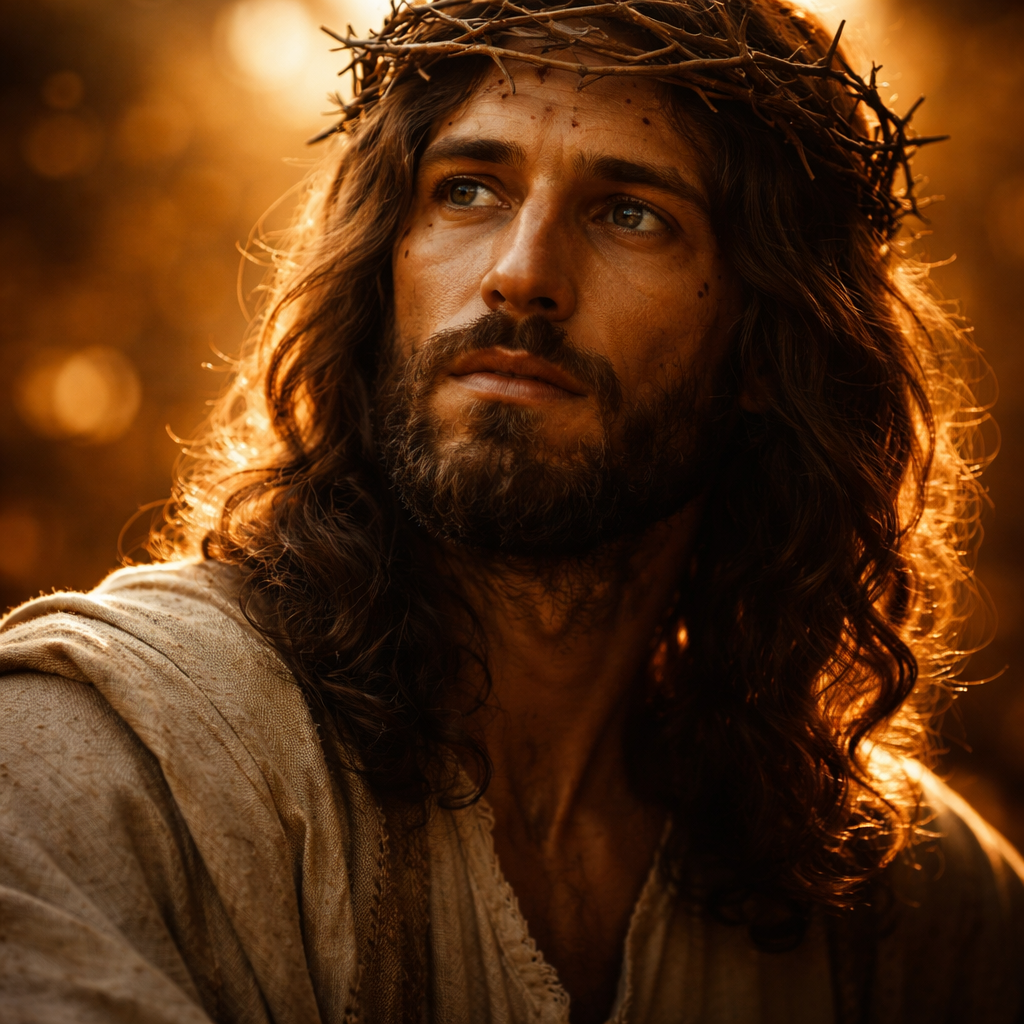
The execution of a Jewish preacher from Nazareth by Roman crucifixion in Jerusalem, most likely between 30 and 33 AD, was a routine act of imperial violence in a province notorious for messianic movements. Pontius Pilate, the Roman prefect of Judea, had crucified hundreds and would have had no reason to consider this particular execution historically significant. The condemned man's followers were few, frightened, and scattered. Within three centuries, the faith built on the claim that he rose from the dead would become the official religion of the Roman Empire.

Jesus of Nazareth had spent roughly three years traveling through Galilee and Judea, teaching in synagogues, attracting crowds, and generating opposition from both the Jewish religious establishment and Roman authorities. His entry into Jerusalem during Passover, a festival that commemorated liberation from foreign oppression and drew enormous crowds to the city, raised the political temperature. The cleansing of the Temple, in which Jesus overturned the tables of money changers, directly challenged the authority of the priestly aristocracy that administered the Temple and cooperated with Roman rule.

The sequence of arrest, trial, and execution compressed into approximately 18 hours. Jesus was arrested in the Garden of Gethsemane, brought before the Sanhedrin, and then delivered to Pilate on charges of claiming to be King of the Jews, a political accusation of sedition against Rome. Pilate's interrogation, as recorded in the Gospels, suggests he found the charge unconvincing but yielded to pressure from the priestly leadership and the assembled crowd. Crucifixion was Rome's standard punishment for sedition, reserved specifically for non-citizens and intended to be as public and degrading as possible.

Death by crucifixion was slow, agonizing, and deliberately humiliating. Victims were stripped naked and nailed or bound to wooden crosses erected along public roads. Death came from a combination of shock, dehydration, asphyxiation, and exposure, typically over one to three days. The Gospels record that Jesus died within approximately six hours, unusually quickly, which some medical historians attribute to the severe scourging described as preceding the crucifixion.

The claim of resurrection, whatever its nature, transformed a failed messianic movement into a world religion that now counts over 2.4 billion adherents.
30

The execution of a Jewish preacher from Nazareth by Roman crucifixion in Jerusalem, most likely between 30 and 33 AD, was a routine act of imperial violence in a province notorious for messianic movements. Pontius Pilate, the Roman prefect of Judea, had crucified hundreds and would have had no reason to consider this particular execution historically significant. The condemned man's followers were few, frightened, and scattered. Within three centuries, the faith built on the claim that he rose from the dead would become the official religion of the Roman Empire. Jesus of Nazareth had spent roughly three years traveling through Galilee and Judea, teaching in synagogues, attracting crowds, and generating opposition from both the Jewish religious establishment and Roman authorities. His entry into Jerusalem during Passover, a festival that commemorated liberation from foreign oppression and drew enormous crowds to the city, raised the political temperature. The cleansing of the Temple, in which Jesus overturned the tables of money changers, directly challenged the authority of the priestly aristocracy that administered the Temple and cooperated with Roman rule. The sequence of arrest, trial, and execution compressed into approximately 18 hours. Jesus was arrested in the Garden of Gethsemane, brought before the Sanhedrin, and then delivered to Pilate on charges of claiming to be King of the Jews, a political accusation of sedition against Rome. Pilate's interrogation, as recorded in the Gospels, suggests he found the charge unconvincing but yielded to pressure from the priestly leadership and the assembled crowd. Crucifixion was Rome's standard punishment for sedition, reserved specifically for non-citizens and intended to be as public and degrading as possible. Death by crucifixion was slow, agonizing, and deliberately humiliating. Victims were stripped naked and nailed or bound to wooden crosses erected along public roads. Death came from a combination of shock, dehydration, asphyxiation, and exposure, typically over one to three days. The Gospels record that Jesus died within approximately six hours, unusually quickly, which some medical historians attribute to the severe scourging described as preceding the crucifixion. The claim of resurrection, whatever its nature, transformed a failed messianic movement into a world religion that now counts over 2.4 billion adherents.

Attila the Hun sacked the Roman city of Metz on April 7, 451 AD, burning it so thoroughly that only a single chapel reportedly survived the destruction. The attack was part of a massive invasion of Gaul that had already destroyed multiple cities along the Rhine frontier, exposing the terminal weakness of Roman military power in the western provinces. Attila's army, estimated between 30,000 and 50,000 warriors drawn from a confederation of Hunnic, Germanic, and Slavic peoples, moved through Gaul with a speed that Roman commanders could not match.

Attila had spent the previous decade building the Hunnic Empire into the most feared military power in Europe. Operating from the Hungarian plain, he had extracted enormous tribute payments from the Eastern Roman Empire, receiving an annual payment of 2,100 pounds of gold from Constantinople by 447. When the new Eastern Emperor Marcian cut off the payments in 450, Attila turned his attention westward. The pretext for invading Gaul was an appeal from Honoria, sister of Western Emperor Valentinian III, who had sent Attila her ring and asked for his help escaping an arranged marriage. Attila interpreted the ring as a marriage proposal and claimed half the Western Empire as dowry.

The invasion route followed the Rhine and then turned south through the interior of Gaul. Rheims, Tongeren, Cologne, Trier, and Metz all fell. Cities that lacked significant garrisons or fortifications were overwhelmed. Refugee columns streamed south ahead of the advance. The bishop of Paris, Geneviève, reportedly organized the city's defense and convinced its residents not to flee, though whether Paris was actually threatened is debated.

The Roman response depended on an unlikely alliance. Flavius Aetius, the supreme military commander of the Western Empire, assembled a coalition that included Visigoths under King Theodoric I, Burgundians, Franks, and Alans. These were peoples who had themselves carved territories from Roman Gaul, and their cooperation with Rome against a common threat was fragile and temporary. The two forces met at the Battle of the Catalaunian Plains in June 451, where Attila was fought to a standstill and withdrew from Gaul.

Attila died two years later from a nosebleed on his wedding night, and the Hunnic Empire disintegrated almost immediately.
451

Attila the Hun sacked the Roman city of Metz on April 7, 451 AD, burning it so thoroughly that only a single chapel reportedly survived the destruction. The attack was part of a massive invasion of Gaul that had already destroyed multiple cities along the Rhine frontier, exposing the terminal weakness of Roman military power in the western provinces. Attila's army, estimated between 30,000 and 50,000 warriors drawn from a confederation of Hunnic, Germanic, and Slavic peoples, moved through Gaul with a speed that Roman commanders could not match. Attila had spent the previous decade building the Hunnic Empire into the most feared military power in Europe. Operating from the Hungarian plain, he had extracted enormous tribute payments from the Eastern Roman Empire, receiving an annual payment of 2,100 pounds of gold from Constantinople by 447. When the new Eastern Emperor Marcian cut off the payments in 450, Attila turned his attention westward. The pretext for invading Gaul was an appeal from Honoria, sister of Western Emperor Valentinian III, who had sent Attila her ring and asked for his help escaping an arranged marriage. Attila interpreted the ring as a marriage proposal and claimed half the Western Empire as dowry. The invasion route followed the Rhine and then turned south through the interior of Gaul. Rheims, Tongeren, Cologne, Trier, and Metz all fell. Cities that lacked significant garrisons or fortifications were overwhelmed. Refugee columns streamed south ahead of the advance. The bishop of Paris, Geneviève, reportedly organized the city's defense and convinced its residents not to flee, though whether Paris was actually threatened is debated. The Roman response depended on an unlikely alliance. Flavius Aetius, the supreme military commander of the Western Empire, assembled a coalition that included Visigoths under King Theodoric I, Burgundians, Franks, and Alans. These were peoples who had themselves carved territories from Roman Gaul, and their cooperation with Rome against a common threat was fragile and temporary. The two forces met at the Battle of the Catalaunian Plains in June 451, where Attila was fought to a standstill and withdrew from Gaul. Attila died two years later from a nosebleed on his wedding night, and the Hunnic Empire disintegrated almost immediately.

P. T. Barnum asked a New York newspaper to print his obituary in advance so he could enjoy reading it before he died. The paper obliged. Barnum passed away at his home in Bridgeport, Connecticut, on April 7, 1891, at age 80, having spent six decades as America's supreme showman, huckster, moralist, and self-promoter. His final words, according to one account, were a question about the day's receipts at Madison Square Garden, where his circus was performing. Whether or not the story is true, it captured the man perfectly.

Barnum's career defied simple characterization. He began as a grocery store clerk in Bethel, Connecticut, and achieved his first fame in 1835 by exhibiting Joice Heth, an elderly enslaved woman he claimed was 161 years old and had been George Washington's nursemaid. The claim was a lie, and when Heth died, Barnum staged a public autopsy that revealed her true age. He showed no remorse and moved on to his next attraction. The American Museum on Broadway, which he purchased in 1841, became the most popular entertainment venue in the country, drawing 38 million visitors over its 24-year existence with a mix of genuine curiosities, theatrical performances, and outright frauds.

The museum burned in 1865, and Barnum reinvented himself. He entered circus business in 1870, eventually partnering with James Bailey to create "The Greatest Show on Earth," a traveling extravaganza of three rings, multiple stages, and a menagerie that toured by rail with over 1,000 employees. Barnum's genius was promotional rather than artistic. He understood that the anticipation of spectacle could be more powerful than the spectacle itself, and he manipulated newspapers, planted stories, and created controversies with an instinct for public attention that prefigured modern celebrity culture.

His personal contradictions were vast. He promoted temperance while reportedly drinking in private. He championed abolition and served as a Connecticut state legislator who supported voting rights for Black men, yet his early career profited from the exploitation of enslaved people. He ran for Congress, served as mayor of Bridgeport, and used his wealth to build parks, fund hospitals, and establish Bridgeport as a model city.

The phrase most associated with him, "There's a sucker born every minute," was never actually said by Barnum but by a competitor.
1891

P. T. Barnum asked a New York newspaper to print his obituary in advance so he could enjoy reading it before he died. The paper obliged. Barnum passed away at his home in Bridgeport, Connecticut, on April 7, 1891, at age 80, having spent six decades as America's supreme showman, huckster, moralist, and self-promoter. His final words, according to one account, were a question about the day's receipts at Madison Square Garden, where his circus was performing. Whether or not the story is true, it captured the man perfectly. Barnum's career defied simple characterization. He began as a grocery store clerk in Bethel, Connecticut, and achieved his first fame in 1835 by exhibiting Joice Heth, an elderly enslaved woman he claimed was 161 years old and had been George Washington's nursemaid. The claim was a lie, and when Heth died, Barnum staged a public autopsy that revealed her true age. He showed no remorse and moved on to his next attraction. The American Museum on Broadway, which he purchased in 1841, became the most popular entertainment venue in the country, drawing 38 million visitors over its 24-year existence with a mix of genuine curiosities, theatrical performances, and outright frauds. The museum burned in 1865, and Barnum reinvented himself. He entered circus business in 1870, eventually partnering with James Bailey to create "The Greatest Show on Earth," a traveling extravaganza of three rings, multiple stages, and a menagerie that toured by rail with over 1,000 employees. Barnum's genius was promotional rather than artistic. He understood that the anticipation of spectacle could be more powerful than the spectacle itself, and he manipulated newspapers, planted stories, and created controversies with an instinct for public attention that prefigured modern celebrity culture. His personal contradictions were vast. He promoted temperance while reportedly drinking in private. He championed abolition and served as a Connecticut state legislator who supported voting rights for Black men, yet his early career profited from the exploitation of enslaved people. He ran for Congress, served as mayor of Bridgeport, and used his wealth to build parks, fund hospitals, and establish Bridgeport as a model city. The phrase most associated with him, "There's a sucker born every minute," was never actually said by Barnum but by a competitor.

1724

A mob of students actually rioted outside St. Nicholas Church that Good Friday, furious they'd only get to hear one movement instead of the full Passion. Bach didn't back down; he performed the entire work anyway, a four-hour musical nightmare for the congregation who just wanted to go home. But his refusal to compromise meant those same angry students returned every year, turning a chaotic protest into a tradition that outlasted them all. You'll tell your friends tonight that music sometimes wins because it refuses to be polite.

1788

Forty-nine men and boys stepped off their boats, but not alone. They carried axes, muskets, and a flag stitched by their wives back east. The Ohio River ran cold that April as they claimed land owned by the Shawnee and other nations. Families built log cabins in weeks, yet hunger and fear lingered through every long winter. This wasn't just a new town; it was a gamble on survival against vast wilderness. Marietta proved that ordinary people could carve a future where maps once showed only emptiness.

1788

Seventy-eight souls stepped off flatboats into the Ohio fog, armed with axes and a desperate need to plant a flag where no American had stood before. They built their first cabin on land that had hosted Indigenous communities for millennia, paying a steep price in disease, isolation, and the slow erosion of native sovereignty. This tiny cluster of huts didn't just mark a spot on a map; it kicked open the door for millions more to follow, turning a frontier into a nation. The westward march began not with a roar, but with the quiet, terrifying sound of an axe striking wood in the dark.

1790

Greek privateer Lambros Katsonis lost three ships to a superior Ottoman fleet in the naval Battle of Andros during the Russo-Turkish War, ending his two-year campaign of raiding Turkish commerce in the Aegean. Despite the defeat, Katsonis's audacious attacks had disrupted Ottoman supply lines and inspired Greek communities across the islands with visions of eventual independence. He is remembered in Greece as a precursor to the naval heroes of the 1821 War of Independence.

1798

A single decree carved a jagged slice of land from Spain's grip, handing 100,000 square miles to American settlers who'd soon flood in. But behind those ink-stamped maps lay the quiet terror of displaced Choctaw and Chickasaw families, their villages swallowed by new county lines drawn in Washington. Andrew Jackson would later ride this very road, turning a diplomatic victory into a personal empire built on forced removals. The territory wasn't just land; it was a promise kept only for those willing to break others' backs.

1798

Two states didn't just give up land; they handed over 27,000 square miles to settle debts and push west. But the real cost? A decade of violent skirmishes with Spanish forces who refused to let go of a border that kept shifting. Families fled their homes as new settlers poured in, eyes fixed on cotton fields that weren't theirs yet. You'll remember this when you hear "Mississippi" today: it wasn't just a map change, but the moment America decided to fight for dirt that didn't belong to anyone.

1805

They left their winter home, trading warm Mandan lodges for frozen Missouri mud. Sacagawea's baby slept in a cradleboard while Clark counted 360 miles of untouched river ahead. They didn't know the Rockies waited to swallow their boots. But they pushed on, driven by maps drawn from guesses and hunger. Now you can trace that same path through your own backyard, knowing every step was taken by people who just wanted to see what lay next.

Beethoven's Symphony No. 3 in E-flat major, the "Eroica," premiered on April 7, 1805, at the Theater an der Wien in Vienna, and nothing in orchestral music was the same afterward. At nearly 50 minutes, it was roughly twice the length of any previous symphony. The first movement alone lasted longer than many complete symphonies by Haydn or Mozart. The emotional range was unprecedented: the opening chords exploded with an energy that announced a new aesthetic, and the second movement was a funeral march of devastating power. Audiences were bewildered. Some walked out. Those who stayed witnessed the birth of Romantic music.

Beethoven had originally dedicated the symphony to Napoleon Bonaparte, whom he admired as the embodiment of revolutionary ideals and meritocratic achievement. The story of Beethoven scratching Napoleon's name from the title page upon learning that Napoleon had crowned himself Emperor in December 1804 is among the most famous anecdotes in musical history. Whether it happened exactly as Ferdinand Ries described it decades later is uncertain, but the title page of the manuscript does show a violently scratched-out dedication, and Beethoven renamed the work "Sinfonia Eroica, composed to celebrate the memory of a great man."

The symphony broke rules that composers had followed for decades. The first movement presented its main theme and then systematically dismantled it, subjecting the musical material to a process of fragmentation and reconstruction that was closer to dramatic narrative than to the balanced formal architecture of classical style. The development section was twice the expected length and introduced a new theme, something that simply was not done. The funeral march of the second movement deployed a grief so monumental that it elevated the symphony from entertainment to existential statement.

Contemporary reactions were divided. One critic wrote that the symphony "loses itself in lawlessness." Another called it "a daring and wild fantasia." The length alone was physically demanding for orchestral musicians accustomed to shorter works. Beethoven's patron, Prince Lobkowitz, hosted private performances to prepare audiences for the public premiere, which suggests that even Beethoven's supporters recognized the work needed introduction.

The Eroica expanded what music could contain and what audiences could expect from a symphonic experience, and every symphony written since exists in its shadow.
1805

Beethoven's Symphony No. 3 in E-flat major, the "Eroica," premiered on April 7, 1805, at the Theater an der Wien in Vienna, and nothing in orchestral music was the same afterward. At nearly 50 minutes, it was roughly twice the length of any previous symphony. The first movement alone lasted longer than many complete symphonies by Haydn or Mozart. The emotional range was unprecedented: the opening chords exploded with an energy that announced a new aesthetic, and the second movement was a funeral march of devastating power. Audiences were bewildered. Some walked out. Those who stayed witnessed the birth of Romantic music. Beethoven had originally dedicated the symphony to Napoleon Bonaparte, whom he admired as the embodiment of revolutionary ideals and meritocratic achievement. The story of Beethoven scratching Napoleon's name from the title page upon learning that Napoleon had crowned himself Emperor in December 1804 is among the most famous anecdotes in musical history. Whether it happened exactly as Ferdinand Ries described it decades later is uncertain, but the title page of the manuscript does show a violently scratched-out dedication, and Beethoven renamed the work "Sinfonia Eroica, composed to celebrate the memory of a great man." The symphony broke rules that composers had followed for decades. The first movement presented its main theme and then systematically dismantled it, subjecting the musical material to a process of fragmentation and reconstruction that was closer to dramatic narrative than to the balanced formal architecture of classical style. The development section was twice the expected length and introduced a new theme, something that simply was not done. The funeral march of the second movement deployed a grief so monumental that it elevated the symphony from entertainment to existential statement. Contemporary reactions were divided. One critic wrote that the symphony "loses itself in lawlessness." Another called it "a daring and wild fantasia." The length alone was physically demanding for orchestral musicians accustomed to shorter works. Beethoven's patron, Prince Lobkowitz, hosted private performances to prepare audiences for the public premiere, which suggests that even Beethoven's supporters recognized the work needed introduction. The Eroica expanded what music could contain and what audiences could expect from a symphonic experience, and every symphony written since exists in its shadow.

1824

They squeezed into the Bridgewater Arms hotel's back room, trading soot-stained hands for ink-stained books. These weren't gentlemen; they were men who'd spent their lives turning lathes and weaving cloth. They didn't just want a hobby; they wanted to understand the machines that ruled them. That cramped night birthed three universities, turning Manchester from a factory town into an intellectual powerhouse. Now, when you walk past those stone halls, remember: every degree earned there started as a quiet rebellion in a smoky room.

Fun Facts

Zodiac Sign

Aries

Mar 21 -- Apr 19

Fire sign. Courageous, energetic, and confident.

Birthstone

Diamond

Clear

Symbolizes eternal love, strength, and invincibility.

Next Birthday

--

days until April 7

Quote of the Day

“Somebody once said we never know what is enough until we know what's more than enough.”

Share Your Birthday

Create a beautiful birthday card with events and famous birthdays for April 7.

Create Birthday Card

Explore Nearby Dates

Popular Dates

Explore more about April 7 in history. See the full date page for all events, browse April, or look up another birthday. Play history games or talk to historical figures.