

Historical Figure
William the Silent
1533–1584
Dutch statesman and revolt leader (1533–1584)
Talk to William the Silent
Have a conversation with this historical figure through AI
Biography
William the Silent or William the Taciturn, more commonly known in the Netherlands as William of Orange, was the leader of the Dutch revolt against the Spanish Habsburgs that set off the Eighty Years' War (1568–1648) and resulted in the formal independence of the United Provinces in 1648. Born into the House of Nassau, he became Prince of Orange in 1544 and is thereby the founder of the Orange-Nassau branch and the ancestor of the monarchy of the Netherlands. In the Netherlands, he is also known as Father of the Fatherland.
Timeline
The story of William the Silent, told in moments.
Born at Dillenburg Castle in Nassau, in the Holy Roman Empire. Lutheran by birth. Inherited the title Prince of Orange at age 11 from a cousin, on the condition that he be raised Catholic at the Habsburg court in Brussels.
Launched the Dutch Revolt against Spanish Habsburg rule. The trigger: Philip II's Inquisition was executing Protestants by the thousands in the Low Countries. William mortgaged his estates to raise an army. The first campaigns failed.
Converted to Calvinism. Publicly embraced the Protestant cause he'd been leading for five years. His nickname "the Silent" didn't mean he was quiet. It came from his ability to keep diplomatic secrets.
Philip II of Spain declared him an outlaw and put a bounty of 25,000 crowns on his head. William responded with the Apology, a public defense that argued a ruler who tyrannizes his people forfeits his right to rule. It became a founding document of Dutch independence.
Shot by Balthasar Gerard in Delft. Gerard was a Catholic Frenchman who'd spent two years stalking him. William was the first head of state assassinated by handgun. The Netherlands still calls him Father of the Fatherland.
In Their Own Words (20)
One need not hope in order to undertake, nor succeed in order to persevere.
As quoted in O Canada: An American's Notes on Canadian Culture (1963) by Edmund Wilson, 1963
My God, my God, have mercy on me, and on my poor people!
Last words, as quoted in De Vader des Vaderlands (1941) by W. Berkelbach van der Sprenkel, p. 29, 1941
It is not possible for me to bear alone such labours and the burden of such weighty cares as press on me from hour to hour, without one man at my side to help me. I have not a soul to aid me in all my anxieties and toils.
As quoted in William the Silent (1897) by Frederic Harrison, p. 75, 1897
You are staking your own head by trusting the King. Never will I so stake mine, for he has deceived me too often. His favourite maxim is, haereticis non est servanda fides. I am now bald and Calvinist and in that faith will I die.
William to a supporter of the King, as quoted in William the Silent (1897) by Frederic Harrison, p. 92, 1897
It would be the greatest disaster which could befall our House if any untoward accident befall you, which may God avert! Do not hesitate to open letters addressed to me. Your love for me and the absolute confidence between us make me feel that I cannot have any secrets from you.
William talking to his brother John, as quoted in William the Silent (1897) by Frederic Harrison p. 54, 1897
Artifacts (1)
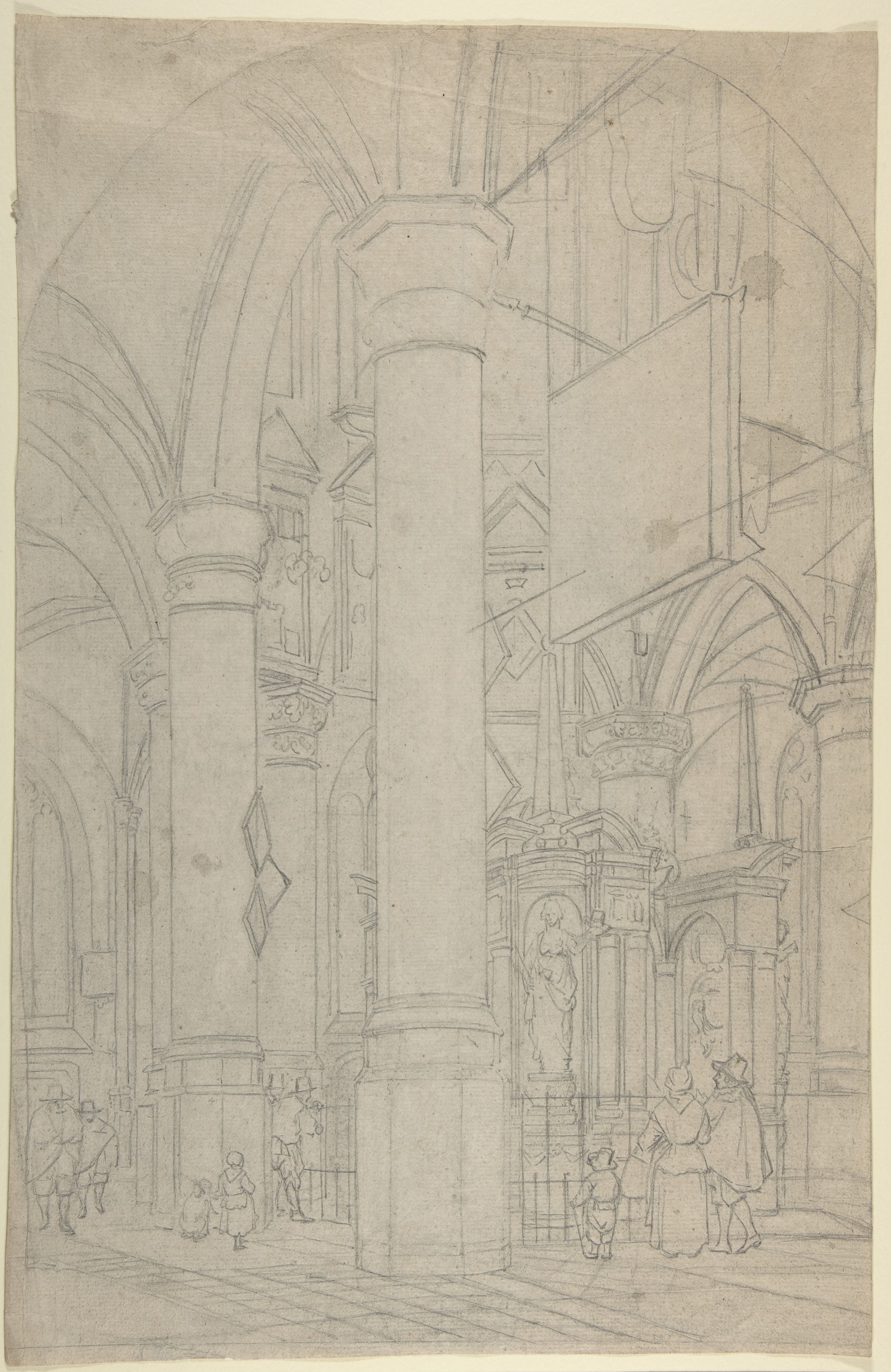
Interior of the New Church in Delft with the Tomb of William the Silent
Jan Hendrik Verheyen
More from the Renaissance


Explore what happened on the days that shaped William the Silent's life. Today In History connects historical figures with the events, births, and deaths that defined their era. Browse all historical figures or explore today's events.