

Historical Figure
William Shakespeare
1564–1616
English playwright and poet (1564–1616)
Talk to William Shakespeare
Have a conversation with this historical figure through AI
Biography
William Shakespeare was an English playwright, poet and actor. He is widely regarded as the greatest writer in the English language and the world's pre-eminent dramatist. He is often called England's national poet and the "Bard of Avon" or simply "the Bard". His extant works, including collaborations, consist of some 39 plays, 154 sonnets, three long narrative poems and a few other verses, some of uncertain authorship. His plays have been translated into every major living language and are performed more often than those of any other playwright. Shakespeare remains arguably the most influential writer in the English language, and his works continue to be studied and reinterpreted.
Timeline
The story of William Shakespeare, told in moments.
Baptized in Stratford-upon-Avon, Warwickshire. The exact birth date is unknown but traditionally given as April 23. His father is a glove maker and alderman. His mother comes from a landed family.
Marries Anne Hathaway. He is 18. She is 26 and pregnant. They post a 40-pound bond in lieu of wedding banns. Their first daughter, Susanna, is born six months later.
First mention in London literary circles. Playwright Robert Greene, dying, calls him "an upstart crow, beautified with our feathers." It's an insult. It means Shakespeare has arrived.
His son Hamnet dies at eleven. The cause is unknown. Shakespeare is in London. There is no record of him attending the funeral. Within a few years, he writes Hamlet. The names are interchangeable in Elizabethan records.
The Lord Chamberlain's Men build the Globe Theatre on the south bank of the Thames. Shakespeare owns a 12.5% share. Over the next decade, this stage will host Hamlet, Othello, King Lear, and Macbeth. He writes about two plays a year.
Hamlet. Probably first performed at the Globe. The play survives in three different texts, none of them definitive. The "To be or not to be" soliloquy appears in all three, differently worded each time.
King Lear and Macbeth in the same period. Both about power destroying the powerful. Both written while the Gunpowder Plot unfolds in London. Treason, madness, and ambition on stage and off.
Dies in Stratford-upon-Avon on what tradition holds is his 52nd birthday. His will famously leaves Anne Hathaway the "second best bed." His epitaph, which he may have written himself, threatens a curse on anyone who moves his bones. No one has.
Show full timeline (11 entries)
His 154 sonnets are published in London, possibly without his consent. The dedication to a mysterious "Mr. W.H." has never been identified. Sonnet 18 begins: "Shall I compare thee to a summer's day?"
The Globe Theatre burns to the ground during a performance of Henry VIII. A theatrical cannon sets the thatched roof on fire. No one is killed. One man's breeches catch fire and are doused with a bottle of ale. Shakespeare retires to Stratford around this time.
Two fellow actors, John Heminges and Henry Condell, publish the First Folio. It contains 36 plays, 18 of which had never been printed before. Without it, we would have no Macbeth, no Twelfth Night, no Julius Caesar, no Tempest. About 235 copies survive out of an original print run of 750.
In Their Own Words (20)
Reputation is an idle and most false imposition; oft got without merit and lost without deserving.
Iago, Act II, scene iii., 1603
Some are born great, some achieve greatness, and some have greatness thrust upon 'em.
Malvolio, Act II, scene v., 1601
There is nothing either good or bad, but thinking makes it so.
Hamlet, Act II, scene ii., 1600
Neither a borrower nor a lender be;For loan oft loses both itself and friend,And borrowing dulls the edge of husbandry.This above all: to thine ownself be true.And it must follow, as the night the day,Thou canst not then be false to any man.
Polonius, Act I, scene iii., 1600
What a piece of work is a man!How noble in reason, how infinite in faculty!In form and moving how express and admirable!In action how like an angel,in apprehension how like a god!
Hamlet, Act II, scene ii., 1600
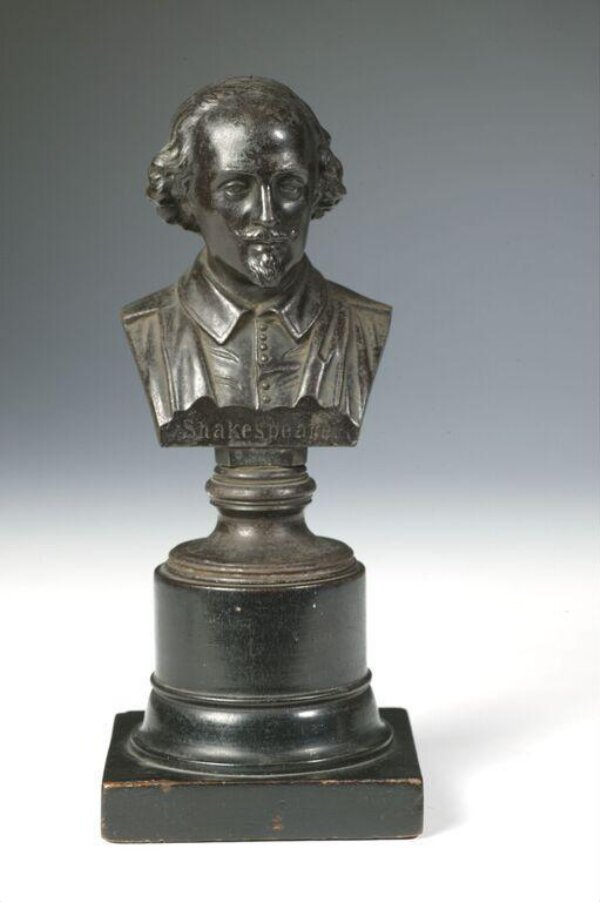
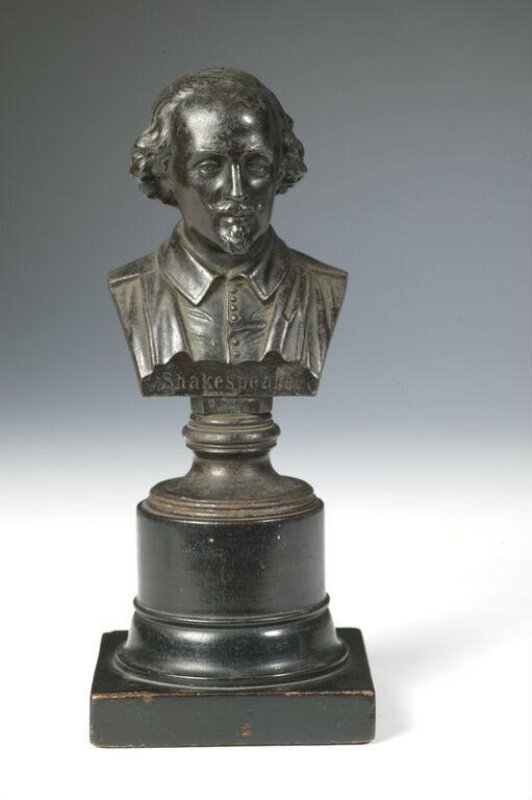
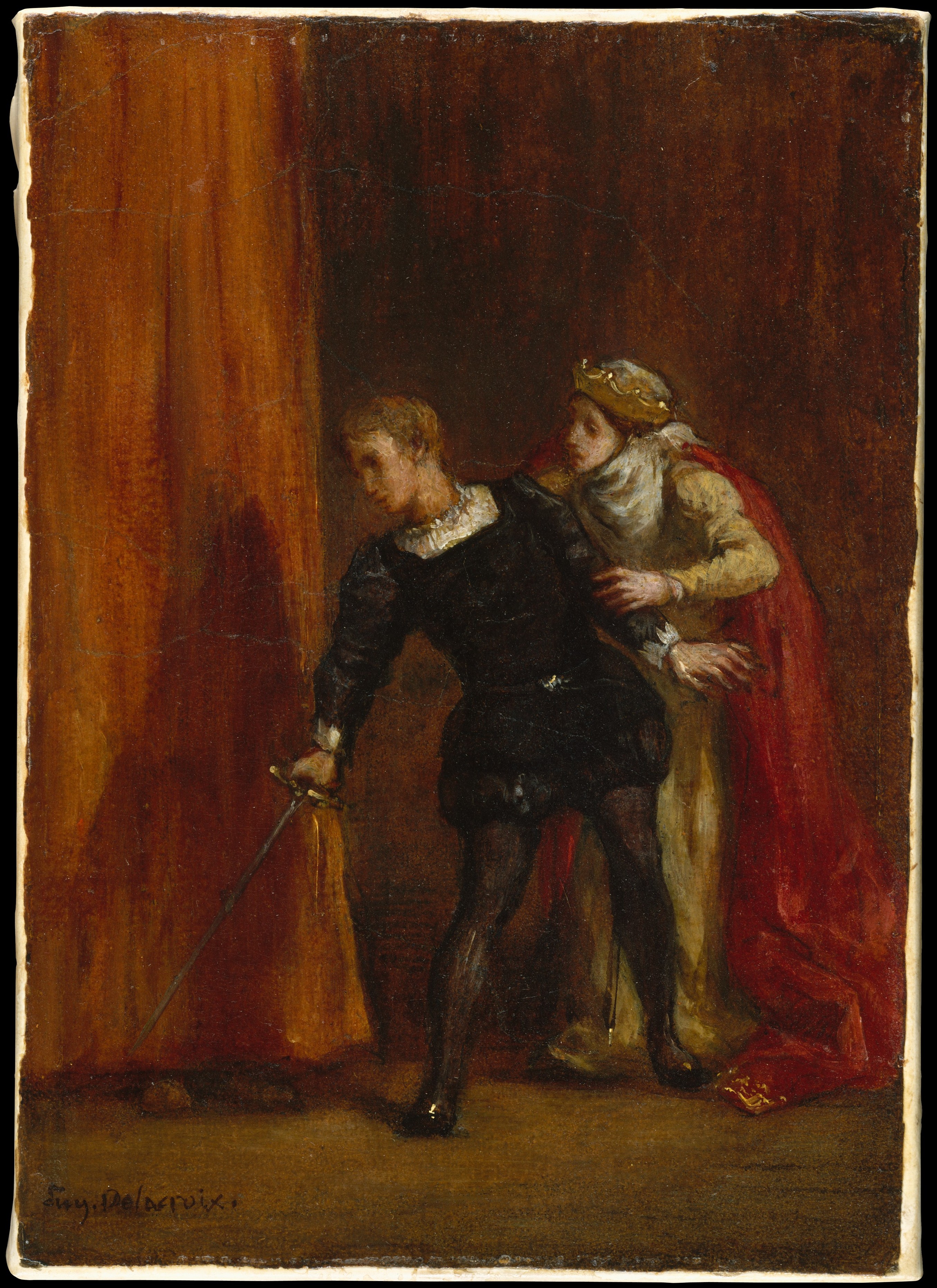
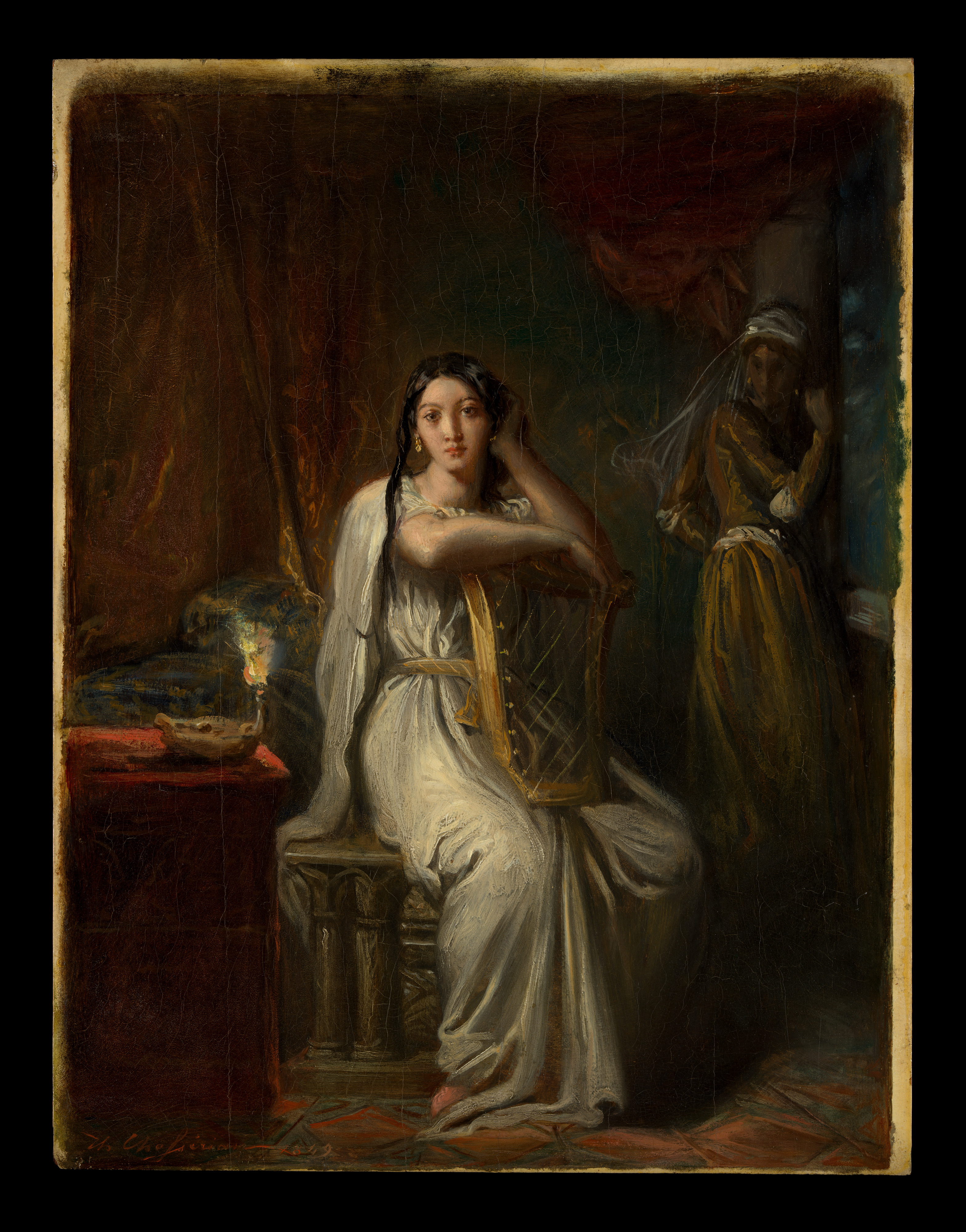
Artifacts (15)

More from the Renaissance


Explore what happened on the days that shaped William Shakespeare's life. Today In History connects historical figures with the events, births, and deaths that defined their era. Browse all historical figures or explore today's events.