

Historical Figure
Theodore Roosevelt
1858–1919
What do you want Theodore Roosevelt to say?
Sign up free to hear it.
Hear the original recording — “Social and Industrial Justice” (1912) →
Talk to Theodore Roosevelt
Have a conversation with this historical figure through AI
Timeline
The story of Theodore Roosevelt, told in moments.
Born at 28 East 20th Street, Manhattan. A sickly child with debilitating asthma. His father tells him he has the mind but not the body. "You must make your body," his father says. He does. Boxing, hiking, rowing, horseback riding. He turns himself into something indestructible through pure will.
His mother and his wife Alice die on the same day. Same house. His mother of typhoid, his wife of kidney failure, two days after giving birth to their daughter. He draws an X in his diary and writes: "The light has gone out of my life." He buys a cattle ranch in the Dakotas and disappears.
Leads the Rough Riders up Kettle Hill in Cuba during the Spanish-American War. He's the only man on horseback. They take the hill. He calls it "the great day of my life." He goes home a war hero. Elected governor of New York four months later.
Becomes president at 42 after McKinley's assassination. The youngest person ever to hold the office. The New York party bosses put him on the ticket as vice president to get rid of him. They've made him the most powerful man in the country instead.
Wins the Nobel Peace Prize for mediating the end of the Russo-Japanese War. The first American to win a Nobel Prize. He also signs the Antiquities Act, establishing 150 national forests, 51 federal bird reserves, 5 national parks, and 18 national monuments. 230 million acres of protected land.
Shot in the chest while campaigning in Milwaukee. The bullet passes through his steel eyeglass case and the folded 50-page speech in his breast pocket. He delivers the speech anyway. 84 minutes. Bleeding. "Ladies and gentlemen, I don't know whether you fully understand that I have just been shot," he begins. "But it takes more than that to kill a Bull Moose."
Dies in his sleep at Sagamore Hill, Oyster Bay, at 60. His youngest son Quentin was killed in aerial combat over France the previous year. Vice President Thomas Marshall says: "Death had to take him sleeping. If he'd been awake, there would have been a fight."
In Their Own Words (20)
We cannot afford merely to sit down and deplore the evils of city life as inevitable, when cities are constantly growing, both absolutely and relatively. We must set ourselves vigorously about the task of improving them; and this task is now well begun.
"The City in Modern Life", Literary Essays (vol. 12 of The Works of Theodore Roosevelt, national ed., 1926), p. 226. Book review in The Atlantic Monthly (April 1895), 1926
We stand at Armageddon and we battle for the Lord.
Speech at Progressive Party Convention, Chicago (17 June 1912), 1912
It is true of the Nation, as of the individual, that the greatest doer must also be a great dreamer.
Berkeley, CA (1911), 1911
I don't think any President ever enjoyed himself more than I did. Moreover, I don't think any ex-President ever enjoyed himself more.
University of Cambridge, England (26 May 1910), 1910
I have never in my life envied a human being who led an easy life; I have envied a great many people who led difficult lives and led them well.
Address in Des Moines, Iowa (4 November 1910), 1910
Artifacts (15)


Theodore Roosevelt Tomb
http://www.wikidata.org/entity/Q110975090

Colonel Theodore Roosevelt , former
http://www.wikidata.org/entity/Q110975090
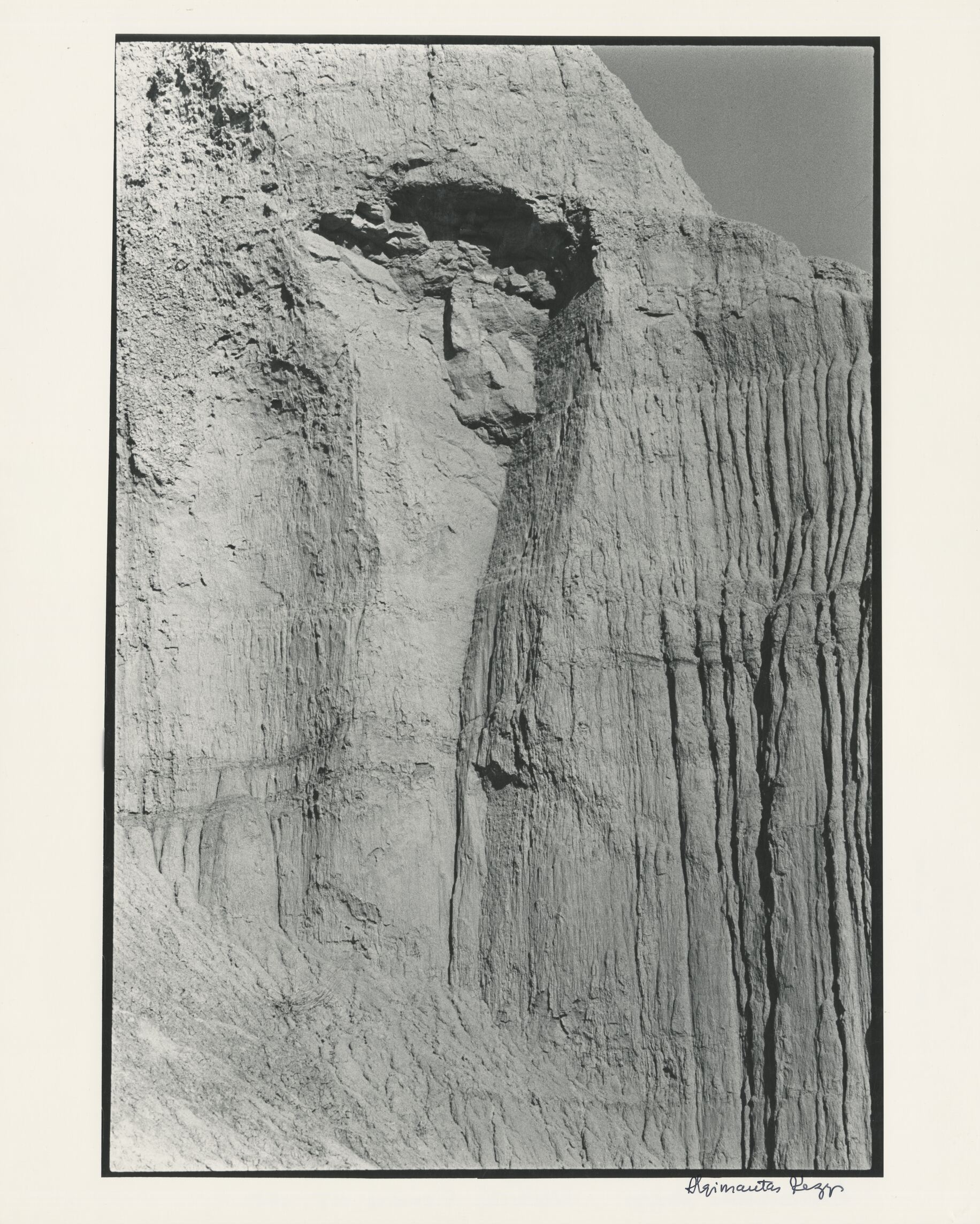
Theodore Roosevelt National Park.
http://data.europeana.eu/agent/95347


Related Historical Figures


Explore what happened on the days that shaped Theodore Roosevelt's life. Today In History connects historical figures with the events, births, and deaths that defined their era. Browse all historical figures or explore today's events.