

Historical Figure
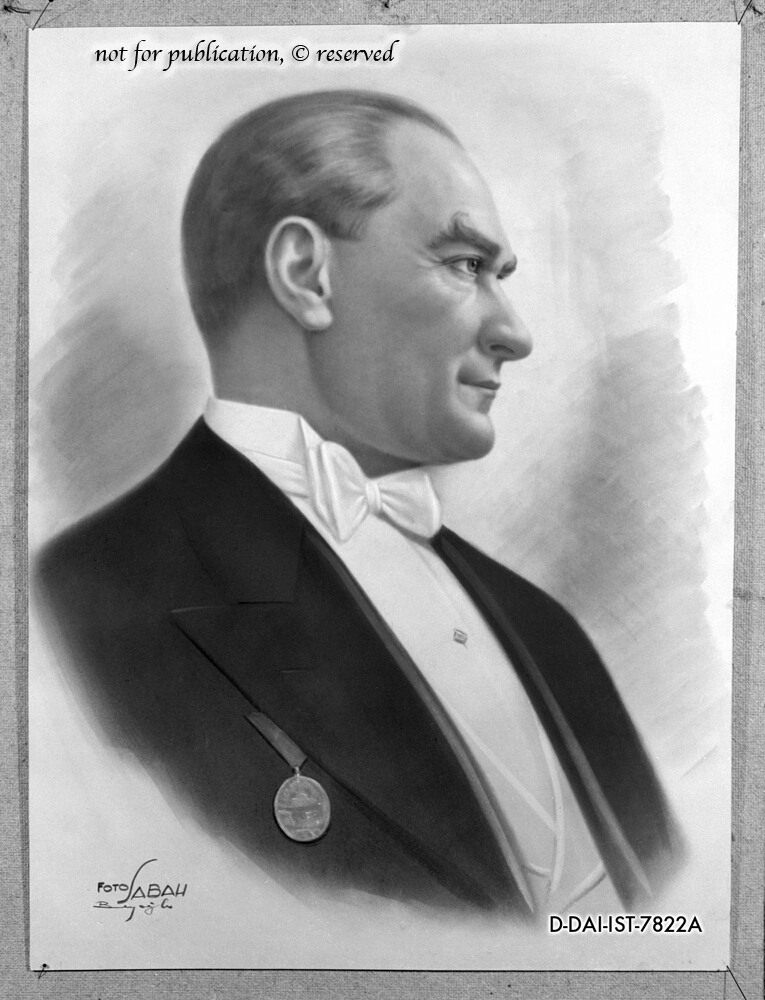
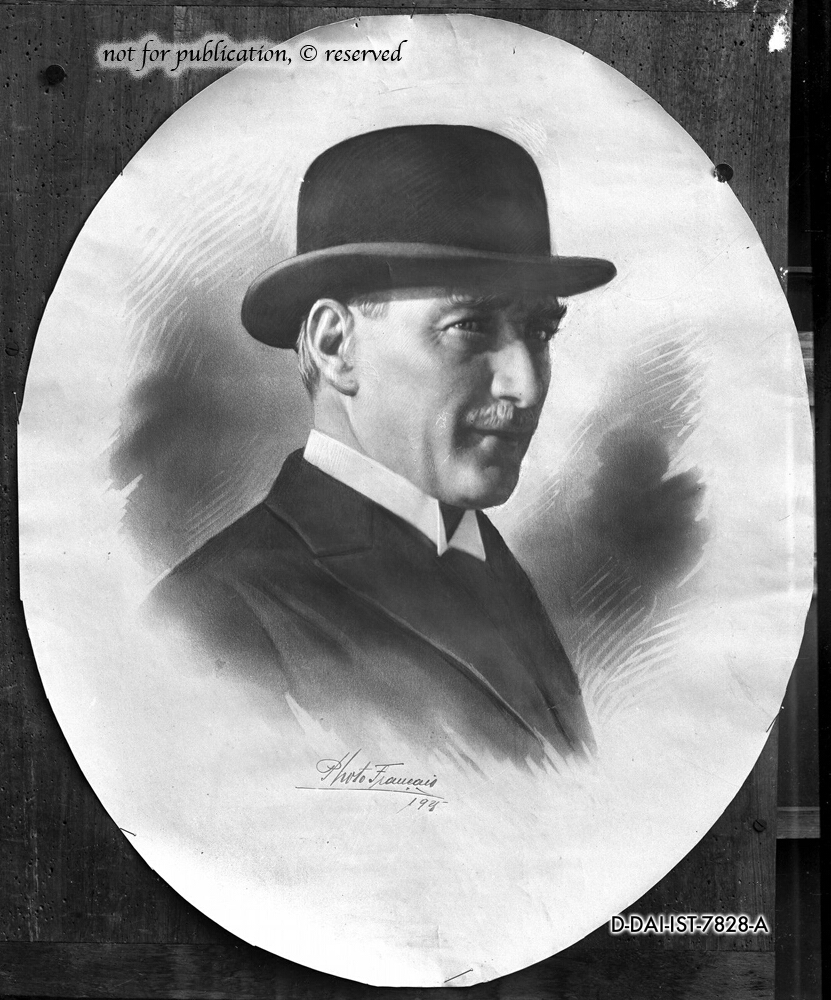
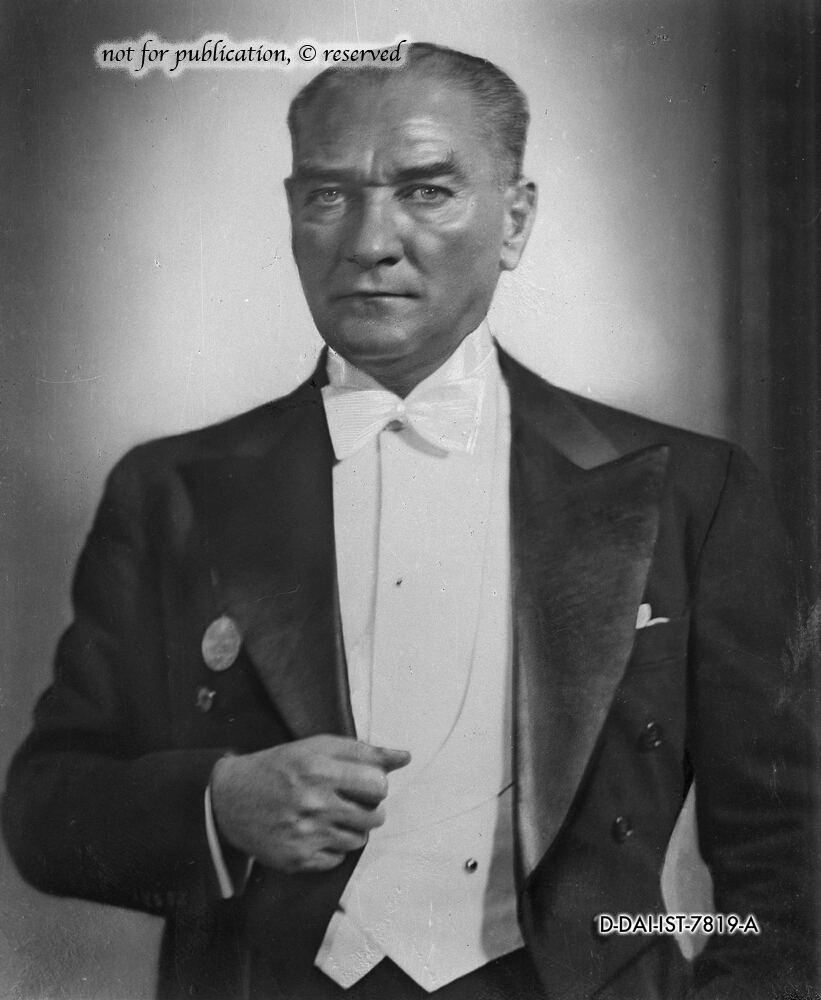
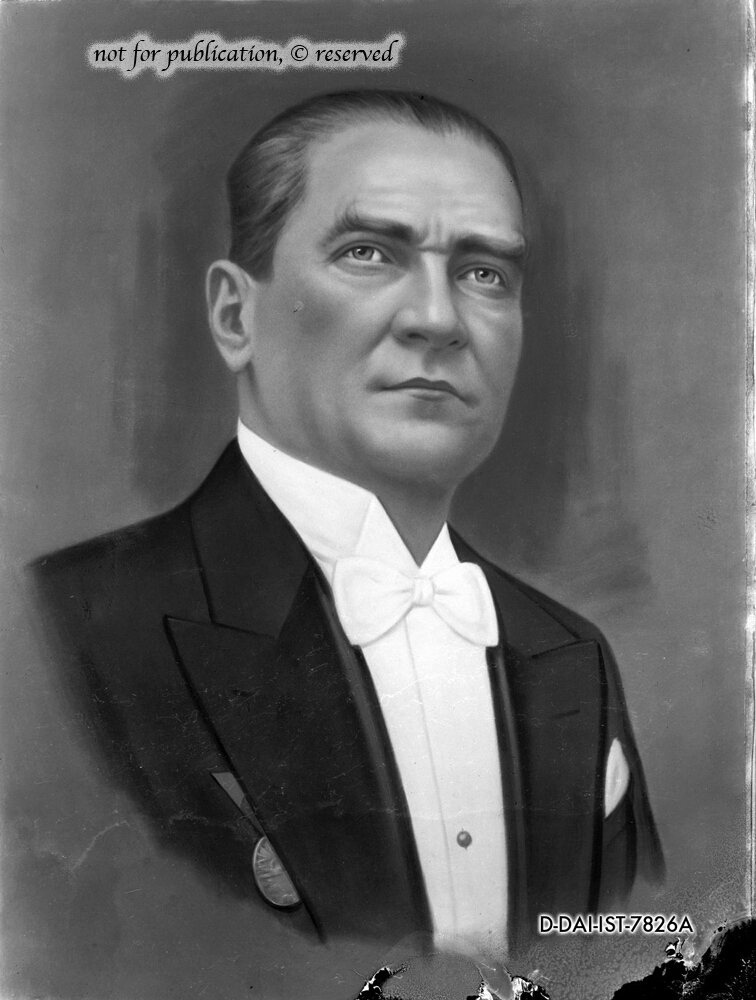
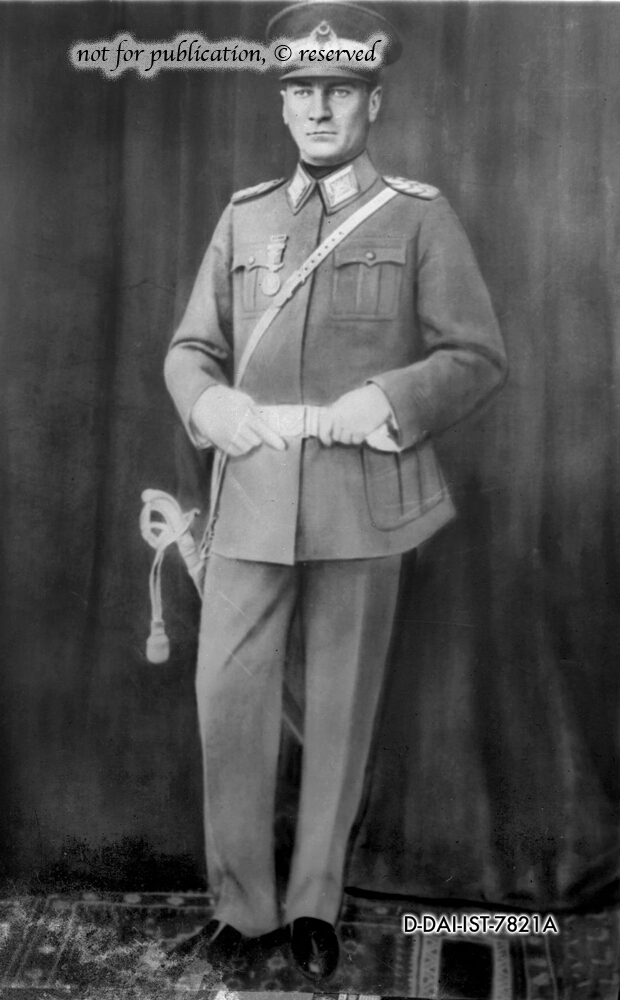
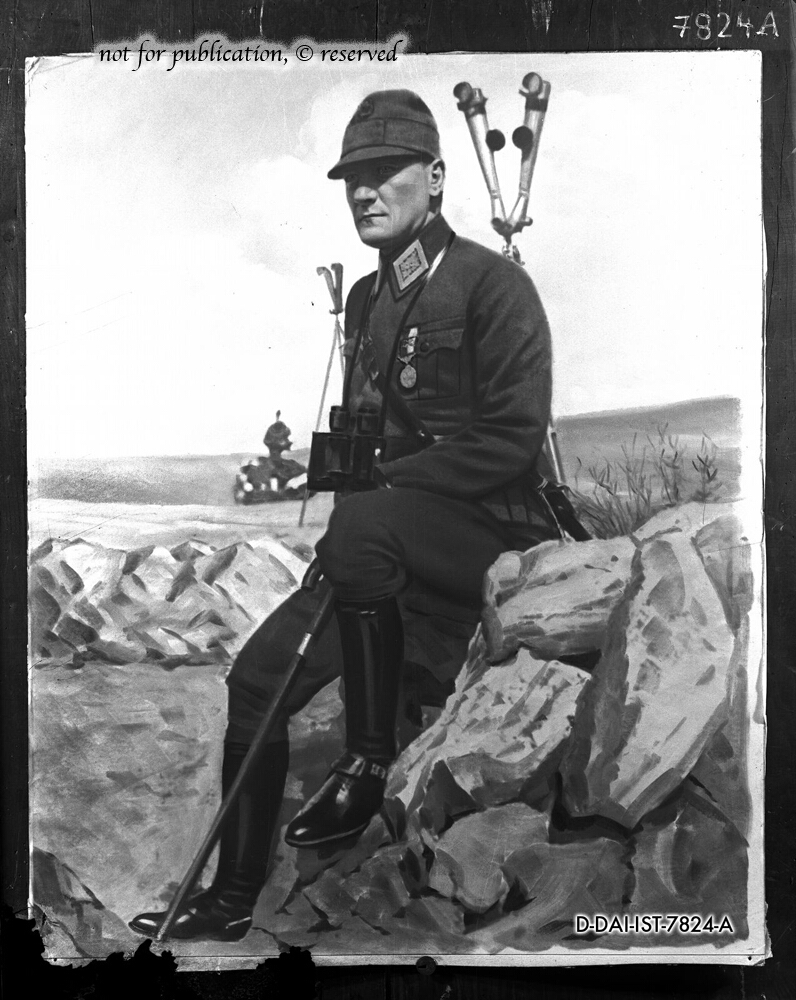
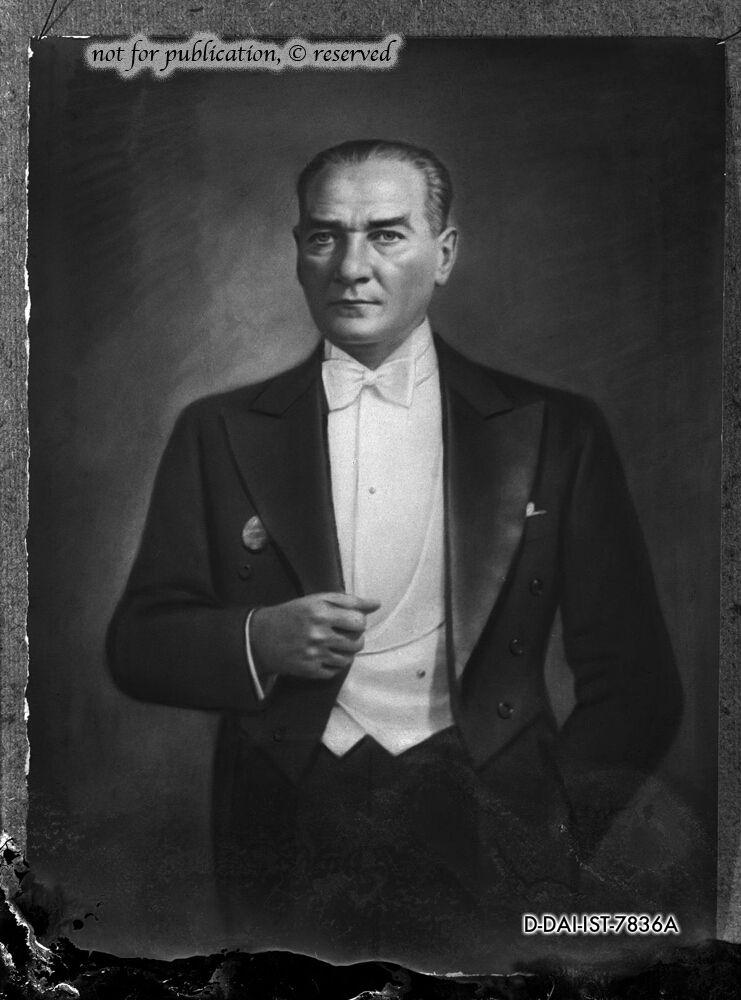
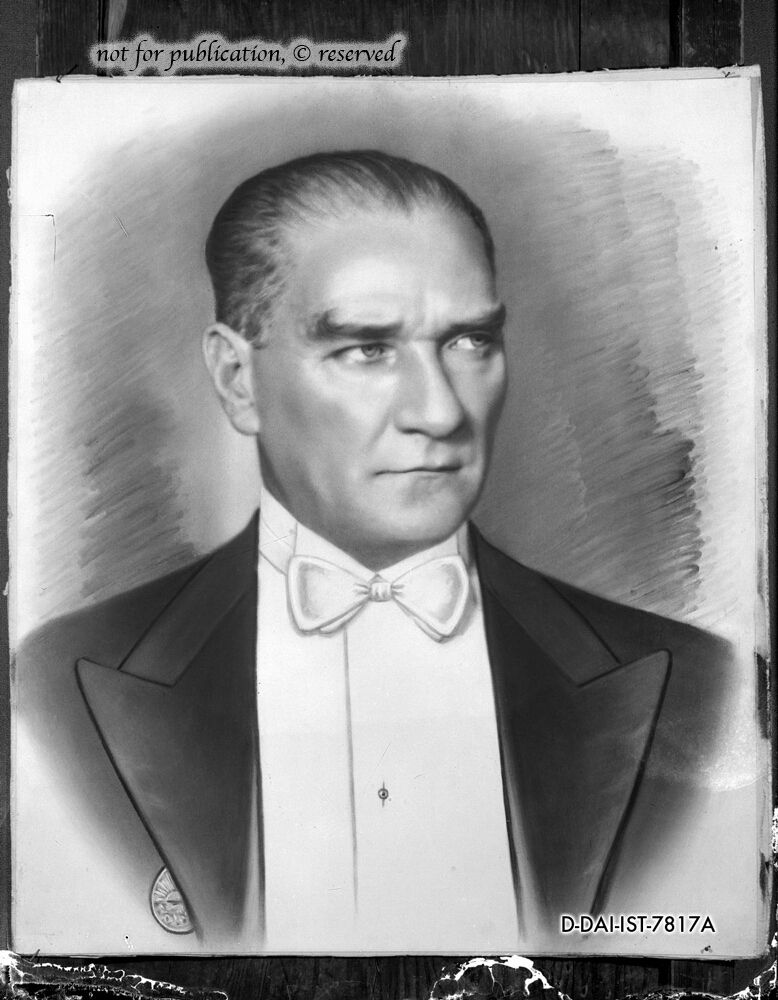
Mustafa Kemal Atatürk
1881–1938
Founder of Turkey (c. 1881–1938)
Talk to Mustafa Kemal Atatürk
Have a conversation with this historical figure through AI
Biography
Mustafa Kemal Atatürk was a Turkish field marshal and statesperson who was the founder of the Republic of Turkey and served as its first president from 1923 until his death in 1938. He led sweeping reforms, turning Turkey into a secular, industrializing nation. Ideologically a secularist, republican and nationalist, his policies and socio-political theories became known as Kemalism. Atatürk's personality cult and the Kemalist historiography developed around it have had significant and ongoing influences on Turkey's political culture and historical narrative.
Timeline
The story of Mustafa Kemal Atatürk, told in moments.
Born Mustafa in Salonica, Ottoman Empire. His math teacher gives him the second name Kemal, meaning "perfection." His father, a lumber trader and military officer, dies when the boy is seven. His mother wants him to learn a trade. He sits for the military school exam without telling her.
Commands the 19th Division at Gallipoli. Correctly predicts where the Allies will land. Holds his position for months against British, Australian, and New Zealand forces. The campaign kills 250,000 on each side. It also makes him famous.
Lands at Samsun to organize resistance against the Allied partition of Turkey. The sultan's government in Constantinople has effectively surrendered. Ataturk hasn't. He builds a rival government in Ankara and fights the Greek, French, and Armenian armies simultaneously.
Proclaims the Republic of Turkey. He's its first president. Abolishes the sultanate, then the caliphate. Bans the fez. Replaces Arabic script with the Latin alphabet. Gives women the vote. Replaces Islamic law with a secular civil code modeled on Switzerland's. All within a decade.
Parliament grants him the surname Ataturk. It means "Father of the Turks." They make it illegal for anyone else to use it.
Dies at 57 in Dolmabahce Palace, Istanbul. Cirrhosis. All clocks in the palace are stopped at 9:05 a.m. Every November 10 at 9:05, Turkey observes a moment of silence. Traffic stops. Ships sound their horns.
In Their Own Words (20)
We did not win the war with prayers, but with the blood of our soldiers.
Explaining his dismissal of the imam assigned to the Turkish Grand National Assembly; as quoted in Ataturk : An Intellectual Biography (2011) by M. Şükrü Hanioğlu, p. 145, 2011
Men, I am not ordering you to attack. I am ordering you to die. In the time that it takes us to die, other forces and commanders can come and take our place.
Orders to the 57th Infantry Regiment during the Gallipoli campaign (25 April 1915); as quoted in Studies in Battle Command by Combat Studies Institute, US Army Command and General Staff College, p. 89; also quoted in Turkey (2007) by Verity Campbell, p. 188, 2007
Humankind is made up of two sexes, women and men. Is it possible for humankind to grow by the improvement of only one part while the other part is ignored? Is it possible that if half of a mass is tied to earth with chains that the other half can soar into skies?
As quoted in "Atatürk" in Images of a Divided World (29 October 2006), 2006
The nation has placed its faith in the precept that all laws should be inspired by actual needs here on earth as a basic fact of national life.
As quoted in A World View of Criminal Justice (2005) by Richard K. Vogler, p. 116, 2005
Our life here is truly hellish. Fortunately, my soldiers are very brave and tougher than the enemy.
Letter to Corinne Lütfü, from the Gallipoli peninsula (20 July 1915) as translated in Atatürk: The Biography of the founder of Modern Turkey (2002) by Andrew Mango., 2002
Artifacts (15)
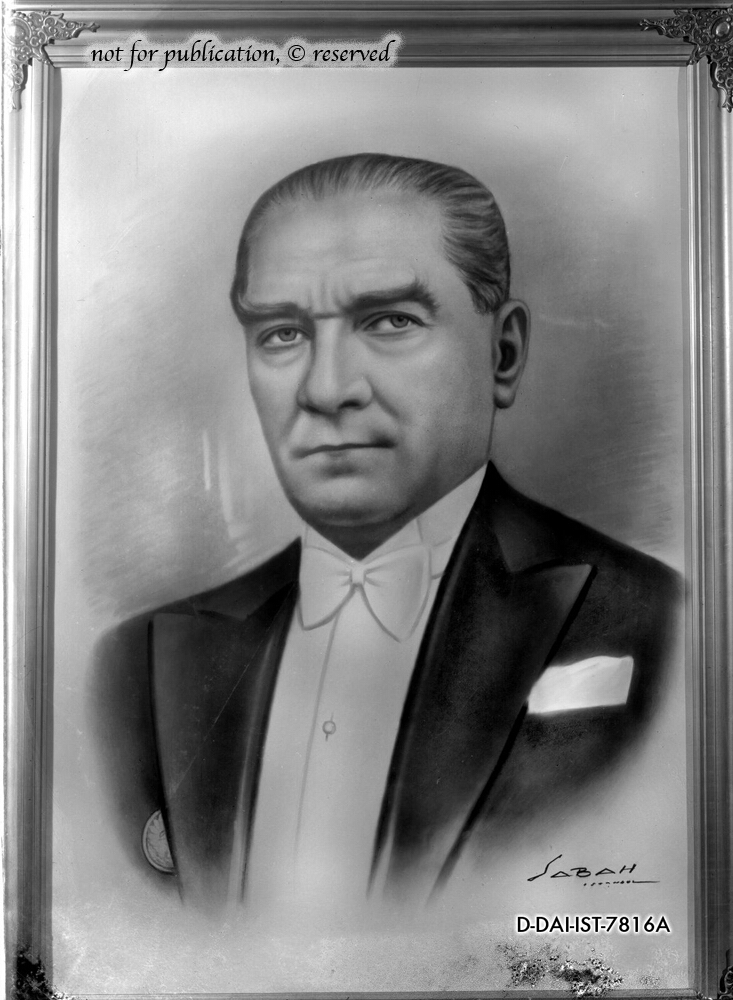
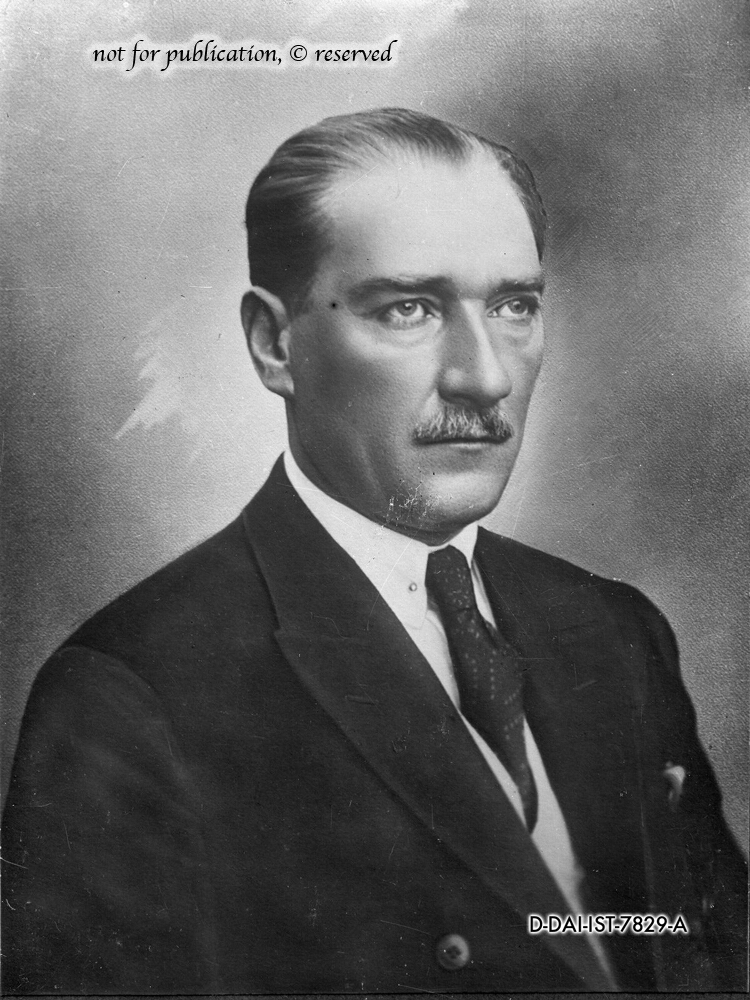
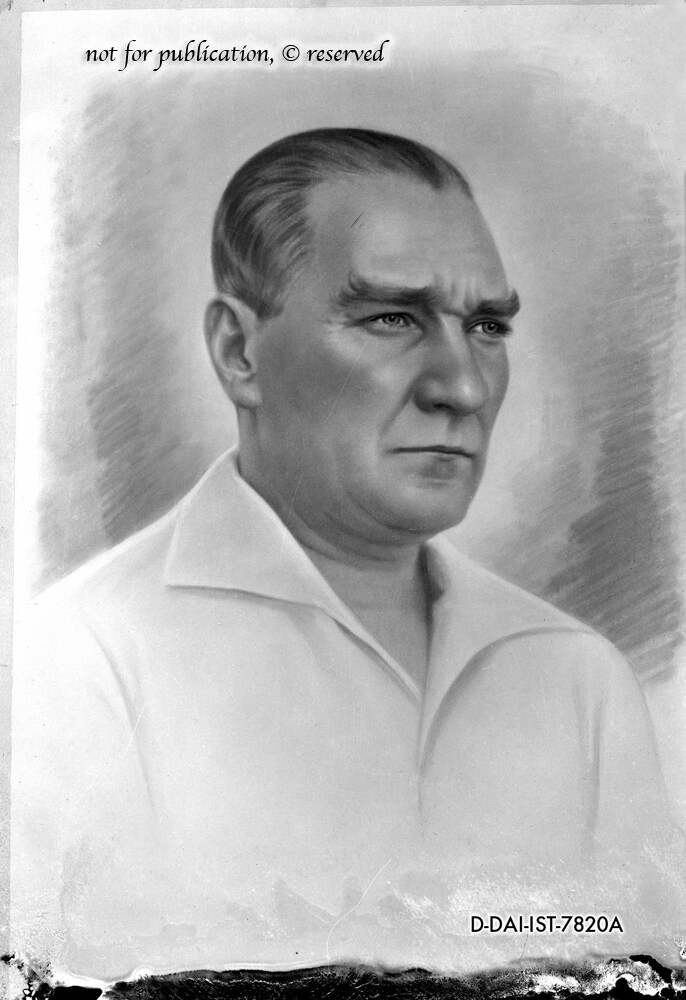
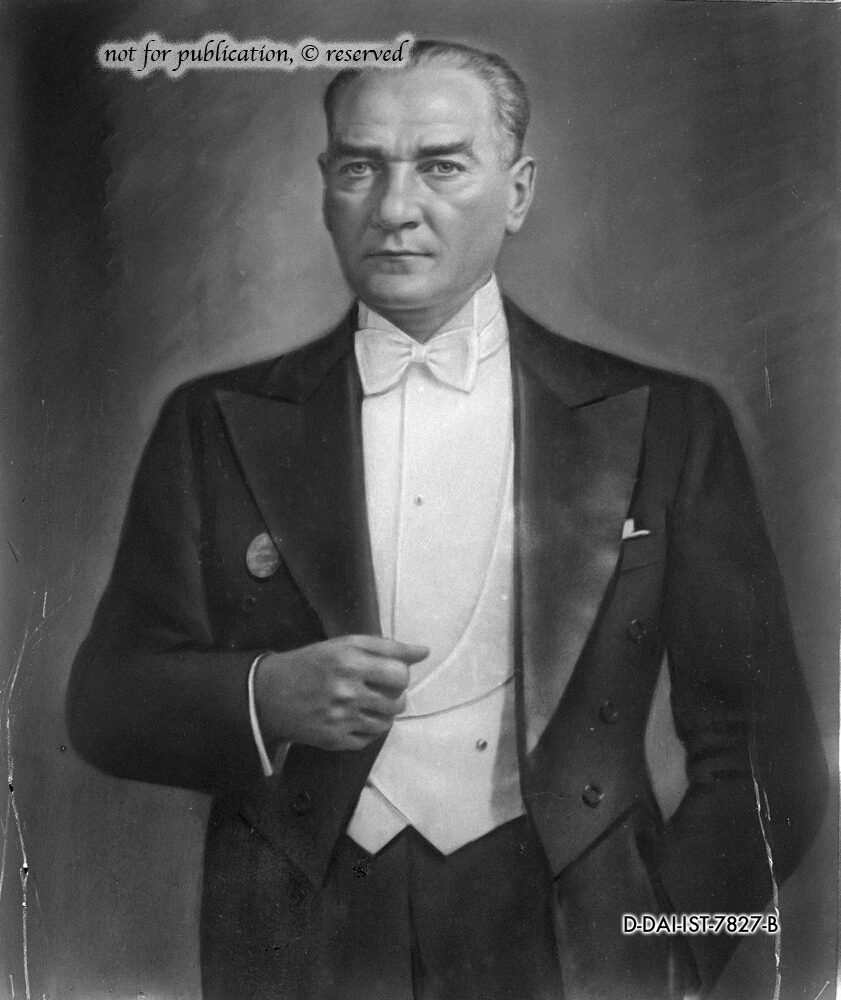
More from the Victorian Era


Explore what happened on the days that shaped Mustafa Kemal Atatürk's life. Today In History connects historical figures with the events, births, and deaths that defined their era. Browse all historical figures or explore today's events.