

Historical Figure
Guglielmo Marconi
1874–1937
Italian radio-frequency engineer and inventor (1874–1937)
Talk to Guglielmo Marconi
Have a conversation with this historical figure through AI
Biography
Guglielmo Giovanni Maria Marconi, 1st Marquess, was an Italian radio-frequency engineer, inventor, and politician known for his creation of a practical radio wave-based wireless telegraph system. This led to his being largely credited as the inventor of radio and sharing the 1909 Nobel Prize in Physics with Ferdinand Braun "in recognition of their contributions to the development of wireless telegraphy." His work laid the foundation for the development of radio, television, and all modern wireless communication systems.
Timeline
The story of Guglielmo Marconi, told in moments.
At 20, sends radio signals across his father's estate near Bologna, ringing a bell 1.5 kilometers away. The Italian government isn't interested. His mother takes him to London, where the British Post Office is.
Founds the Wireless Telegraph and Signal Company in London at 23. Patents keep coming. He transmits signals across the English Channel in 1899. The distance keeps growing.
Claims to receive the first transatlantic radio signal in St. John's, Newfoundland. The letter "S" (three dots in Morse code) is sent from Poldhu, Cornwall, 2,200 miles away. Scientists insist it's impossible. He does it again.
Shares the Nobel Prize in Physics with Ferdinand Braun "for their contributions to the development of wireless telegraphy." He is 35. The Titanic's distress signal three years later proves the life-saving value of his technology. 712 passengers are rescued because the Carpathia has a Marconi wireless.
Dies of heart failure in Rome at 63. Italy gives him a state funeral. Radio stations around the world observe two minutes of silence. The airwaves he filled go quiet for him.
In Their Own Words (3)
Have I done the world good, or have I added a menace?
Marconi, 1934: cited in Raboy, Marc (2016) The Man Who Networked the World'', p. 631, 2016
So be it, let it be so.
Marconi 1898, cited in: Alvin K. Benson (2010) Great Lives from History. p. 759, 2010
This new form of communication could have some utility.
Marconi, 1899: cited in: Simon Saunders, Alejandro Aragón-Zavala (2007) Antennas and Propagation for Wireless Communication. p. 361, 2007
Artifacts (15)

Marconi with moustache
Unidentified photographer. Smithsonian Institution from United States
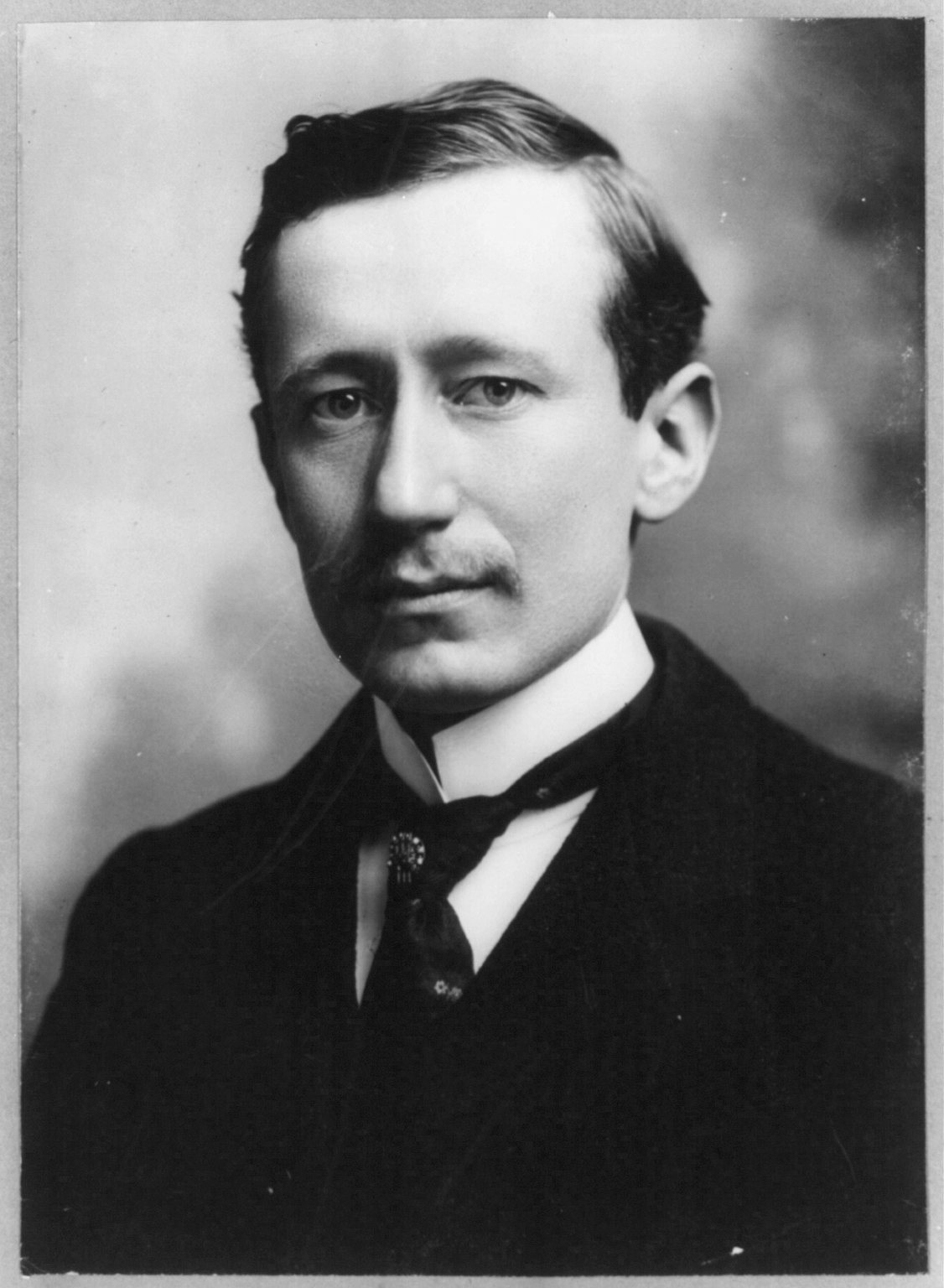
Guglielmo Marconi, 1874-1937 LCCN2002699957
Miscellaneous Items in High Demand, PPOC, Library of Congress

Guglielmo Marconi, half-length portrait, seated, facing left LCCN98519209
Miscellaneous Items in High Demand, PPOC, Library of Congress


Guglielmo Marconi arrives in Udine
Reparto fotocinematografico dell'Esercito

Guglielmo Marconi arrives in Udine
Reparto fotocinematografico dell'Esercito
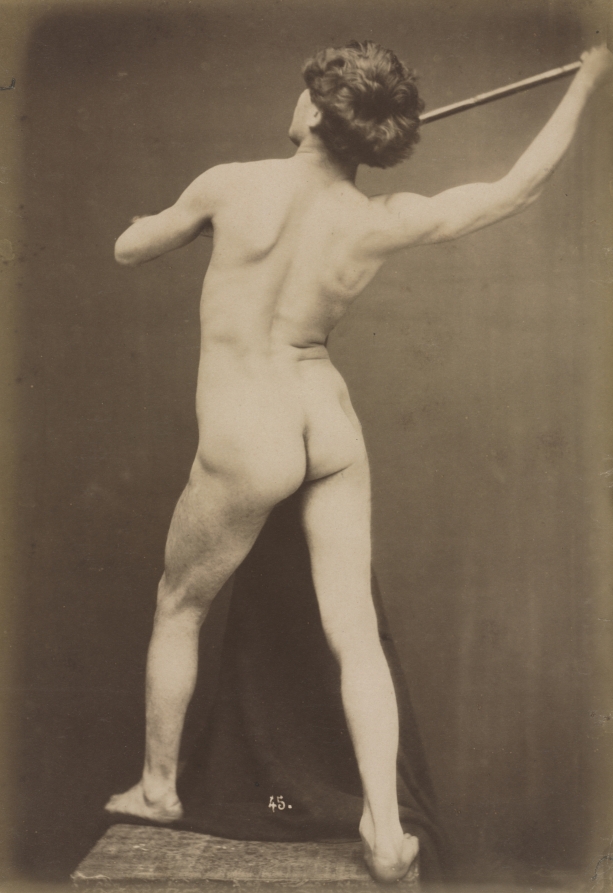
Male Nude
Guglielmo Marconi (French, 1842–after 1885)
Guglielmo Marconi - Male Nude - 1996.357 - Cleveland Museum of Art
Guglielmo Marconi

Marconi, Gaudenzio (1841-1885) - n. 0047 - Male nude from behind - Cleveland Museum of Art - 1996.357
Gaudenzio Marconi
More from the Victorian Era


Explore what happened on the days that shaped Guglielmo Marconi's life. Today In History connects historical figures with the events, births, and deaths that defined their era. Browse all historical figures or explore today's events.