

Historical Figure
Francis Bacon
1561–1992
Talk to Francis Bacon
Have a conversation with this historical figure through AI
Timeline
The story of Francis Bacon, told in moments.
Born at York House near the Strand in London. His mother was fluent in Latin and Greek. She worried constantly about his health.
Entered Trinity College, Cambridge at age 12. Left after two years. He called the curriculum "barren of the production of works for the benefit of the life of man."
Published his first edition of Essays. Ten short pieces on truth, death, and ambition. He revised and expanded them for the rest of his life.
Novum Organum published. It proposed that knowledge should come from observation and experiment, not ancient authority. He called it "the new instrument."
Convicted of accepting bribes as Lord Chancellor. Fined 40,000 pounds and banned from office. He admitted guilt but insisted the bribes never swayed his judgments.
Died at Highgate of pneumonia. The story goes that he caught cold while stuffing a chicken with snow to test refrigeration. He was 65.
In Their Own Words (20)
Knowledge, that tendeth but to satisfaction, is but as a courtesan, which is for pleasure, and not for fruit or generation.
Valerius Terminus: Of the Interpretation of Nature (ca. 1603), in Works, Vol. 1, p. 83; The Works of Francis Bacon (1819), Vol. 2, p. 133, 1819
Books must follow sciences, and not sciences books.
Proposition touching Amendment of Laws, 1657
Alonso of Aragon was wont to say in commendation of age, that age appears to be best in four things — old wood best to burn, old wine to drink, old friends to trust, and old authors to read.
No. 97, 1624
Pyrrhus, when his friends congratulated to him his victory over the Romans under Fabricius, but with great slaughter of his own side, said to them, "Yes; but if we have such another victory, we are undone".
No. 193, 1624
Cato said the best way to keep good acts in memory was to refresh them with new.
No. 247, 1624
Artifacts (15)

Francis Bacon, 1st Viscount Saint Alban
Simon van de Passe, c. 1595 - 6 May 1647
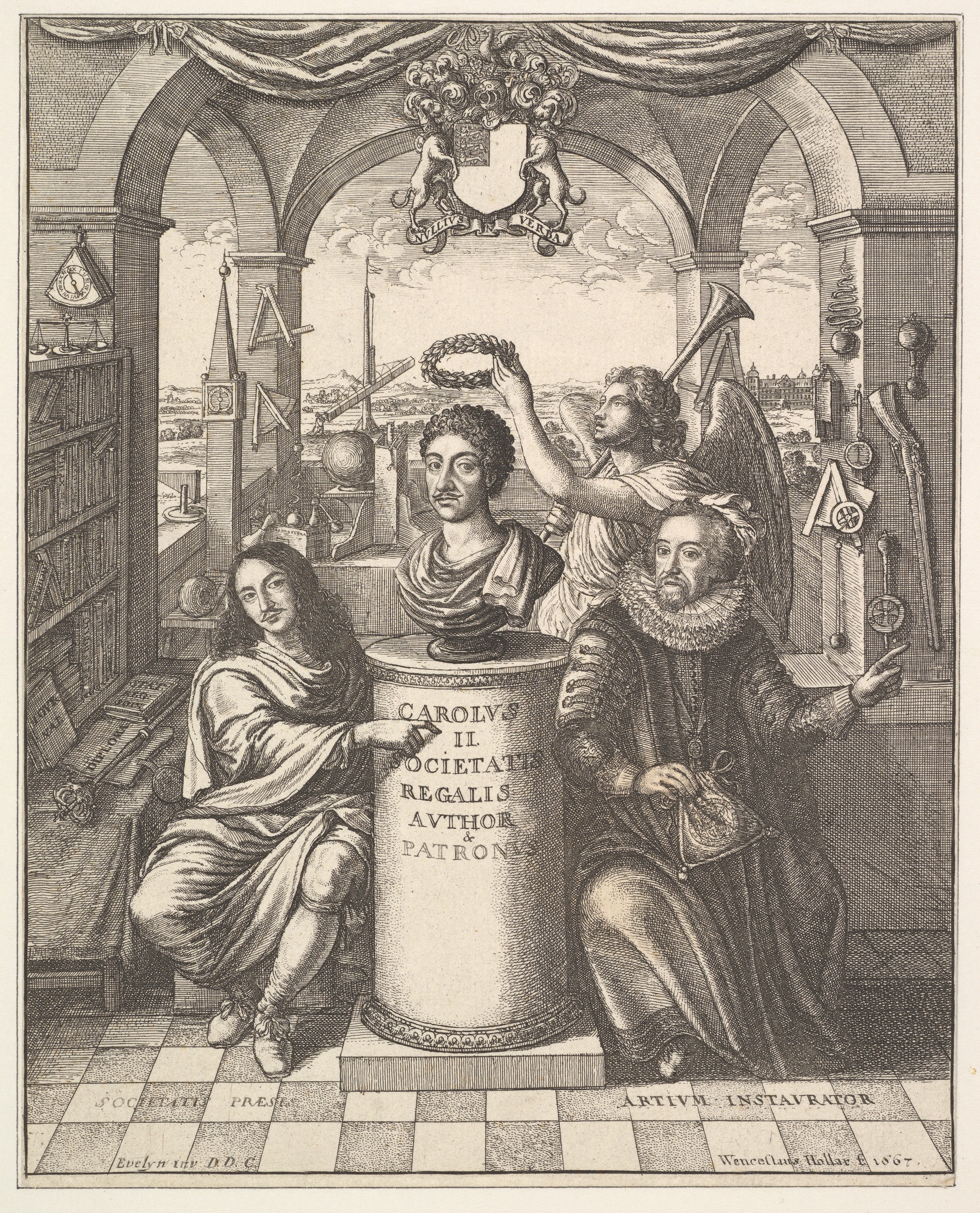
Frontispiece from Thomas Sprat's "The History of the Royal Society of London"
Charles II, King of England, Ireland, Scotland and Wales|Francis Bacon, Viscount St. Albans|Thomas Sprat|William Brouncker, 2nd Viscount Brouncker|Wenceslaus Hollar|John Evelyn
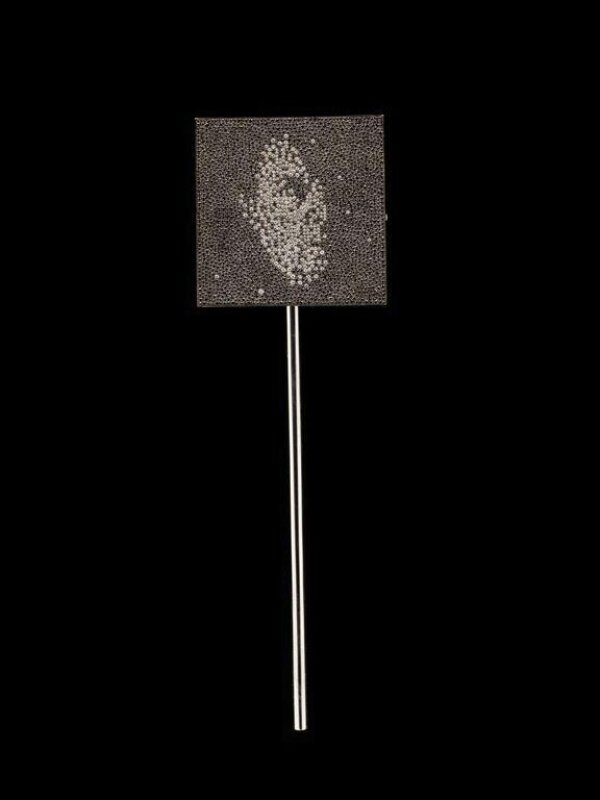
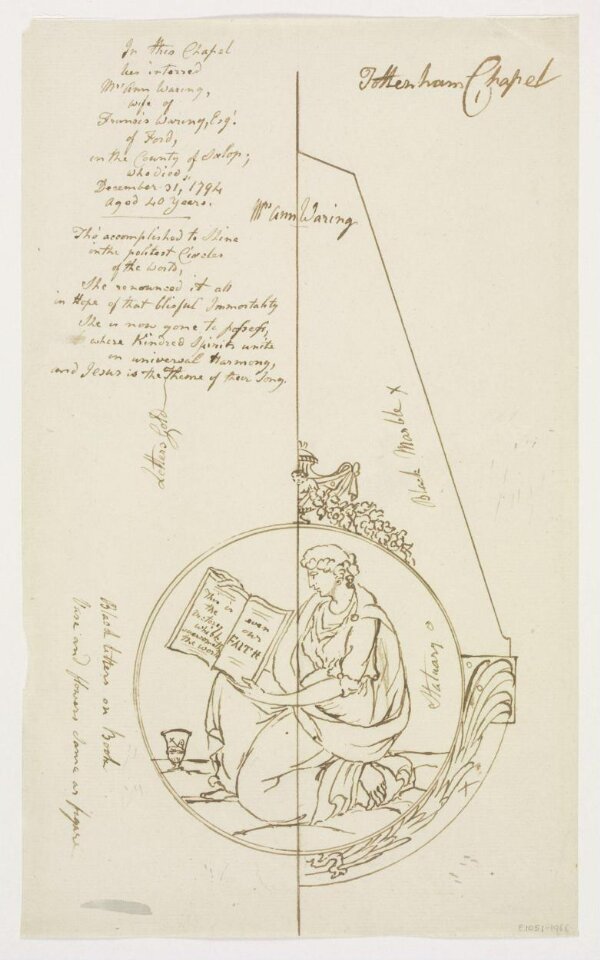
The monumenr of Ann, wife of Francis Waring
Bacon, John (the Younger)
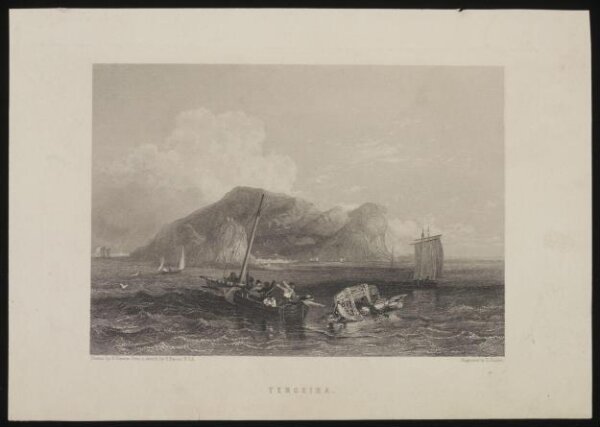
Phenomena of the Universe Or Natural History for the Building Up of Philosophy
Source : Natural History for the Building Up of Philosophy , 1609, 19th Century English edition; first 5 pages from the Preface. PREFACE Since it seems to me that people do not keep strictly to the...
Related Historical Figures


Explore what happened on the days that shaped Francis Bacon's life. Today In History connects historical figures with the events, births, and deaths that defined their era. Browse all historical figures or explore today's events.