

Historical Figure
Joseph Stalin
d. 1953
Leader of the Soviet Union from 1924 to 1953
Talk to Joseph Stalin
Have a conversation with this historical figure through AI
Biography
Joseph Vissarionovich Stalin was a Soviet revolutionary and politician who led the Soviet Union from 1924 until his death in 1953. He held office as general secretary of the Communist Party from 1922 to 1952 and as premier from 1941 until his death. Despite initially governing the country as part of a collective leadership, he eventually consolidated power to become a dictator by the 1930s. Stalin codified the party's official interpretation of Marxism as Marxism–Leninism, and his version of it is referred to as Stalinism.
Timeline
The story of Joseph Stalin, told in moments.
Born Ioseb Jughashvili in Gori, a small town in Georgia, then part of the Russian Empire. His father is a cobbler and a drunk who beats him. His mother, a laundress, scrapes together money to send him to seminary. He is the only one of his parents' children to survive infancy.
Organizes the Tiflis bank robbery. His gang ambushes an armored stagecoach with bombs in the middle of a crowded square. Forty people are injured. They steal 241,000 rubles, equivalent to several million dollars today. Lenin is impressed. Stalin is 28.
Appointed General Secretary of the Communist Party. It is considered an administrative post, not a position of real power. Lenin, already ill, soon warns the party: "Stalin has concentrated an unbounded power in his hands, and I am not certain he will always know how to use that power with sufficient caution." The warning goes unheeded.
The collectivization of agriculture, which he ordered in 1928, triggers a famine that kills between 5 and 7 million people. In Ukraine, the Holodomor kills an estimated 3.5 million. Stalin denies the famine exists. Soviet officials who report starvation are punished. Foreign journalists who write about it are expelled.
The Great Purge reaches its peak. He executes eight senior Red Army commanders in a single day. By the time the purges end in 1938, three of five marshals, 13 of 15 army commanders, and 50 of 57 corps commanders are dead. When Germany invades four years later, the Red Army is led by officers too frightened to make decisions.
Meets Roosevelt and Churchill at the Tehran Conference. It is the first time the three leaders sit together. They plan the invasion of France, which will come six months later at Normandy. Stalin asks for a second front in Europe. Churchill resists. Roosevelt sides with Stalin. The postwar division of Europe begins at this table.
Orders the deportation of the Chechen and Ingush peoples. In a single operation, half a million people are loaded onto cattle cars and shipped to Central Asia. Thousands die in transit. Entire villages are erased from maps. The Chechen-Ingush ASSR is abolished. He accuses them of collaborating with the Nazis. Most were fighting for the Red Army.
Dies after suffering a stroke at his dacha. His guards, terrified of disturbing him, wait 12 hours before entering his room. They find him on the floor, soaked in urine. Doctors are summoned, but the best doctors in Moscow are in prison, arrested on his orders weeks earlier in the Doctors' Plot. He dies four days later. He is 74. None of his inner circle weep. Several celebrate.
Nikita Khrushchev delivers his "Secret Speech" to the 20th Party Congress, denouncing Stalin's cult of personality, the purges, and his wartime blunders. Delegates sit in stunned silence. Stalin's body is later removed from Lenin's Mausoleum. Stalingrad is renamed Volgograd.
In Their Own Words (20)
If, against all expectation, Germany finds itself in a difficult situation then she can be sure that the Soviet people will come to Germany's aid and will not allow Germany to be strangled. The Soviet Union wants to see a strong Germany and we will not allow Germany to be thrown to the ground.
Said by Stalin during a meeting with the German Minister of Foreign Affairs Joachim von Ribbentrop, shortly after the Soviet Union invaded Poland (28 September 1939), as quoted in World War Two: Behind Closed Doors: Stalin, the Nazis and the West (2008) by Laurence Rees, p.30-31. This statement was recorded in Gustav Hilger's detailed minutes of the meeting, which remained secret until the 1990s., 2008
God's not unjust, he doesn't actually exist. We've been deceived. If God existed, he'd have made the world more just... I'll lend you a book and you'll see.
A teenaged Stalin after reading The Origin of Species by Charles Darwin as quoted in Young Stalin (2007) by Simon Sebag Montefiore, p. 49, 2007
Before your eyes rises the hero of Gogol's story who, in a fit of aberration, imagined that he was the King of Spain. Such is the fate of all megalomaniacs.
Proletariatis Brdzola August 1905, as quoted in Young Stalin (2007) by Simon Sebag Montefiore, p. 376, 2007
This creature softened my heart of stone. She died and with her died my last warm feelings for humanity.
At the funeral of his first wife, Kato Svanidze, on 25 November 1907, as quoted in Young Stalin (2007) by Simon Sebag Montefiore, p. 193, 2007
The existing pseudo-government which was not elected by the people and which is not accountable to the people must be replaced by a government recognised by the people, elected by representatives of the workers, soldiers and peasants and held accountable to their representatives.
"What We Need", editorial published (24 October 1917), as quoted in Stalin : A Biography (2004) by Robert Service; also in Sochineniya, Vol. 3, p. 389, 2004
Artifacts (15)

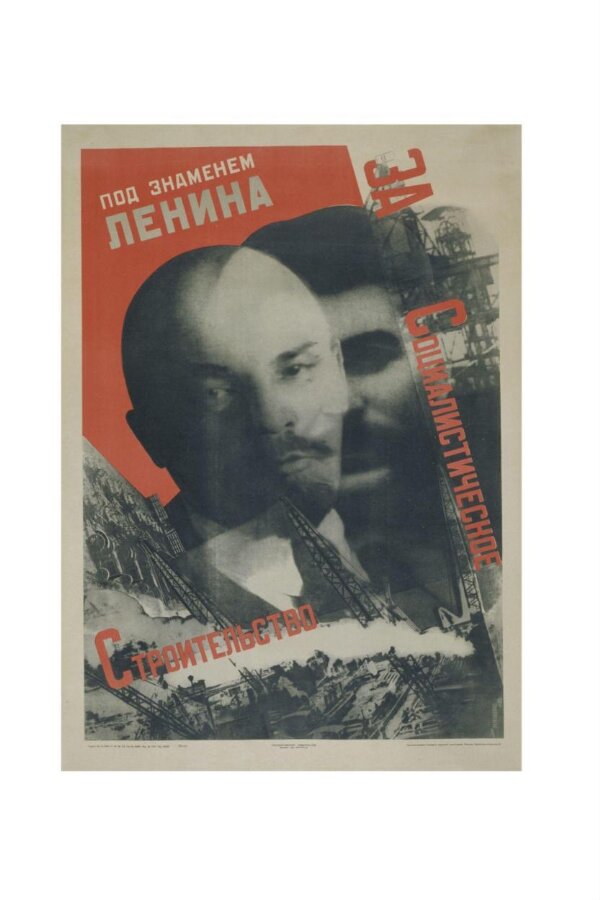
![[Project for a poster of the Socialist Plan with Lenin and Stalin]](https://media.getty.edu/iiif/image/33e4470b-6244-40aa-b162-ace22e20d8bb/full/!800,800/0/default.jpg)
[Project for a poster of the Socialist Plan with Lenin and Stalin]
Gustav Gustavovich Klutsis
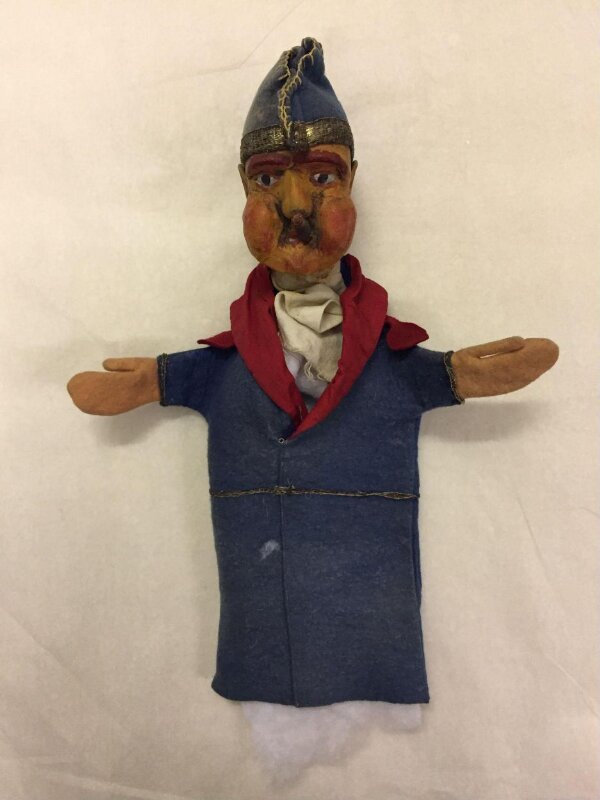


Stalin looks ahead ._x000D_ Joseph Stalin
http://www.wikidata.org/entity/Q110975090

Stalin cast his vote._x000D_ In first
http://www.wikidata.org/entity/Q110975090

Building the Soviet streamlined locomotive
TopFoto
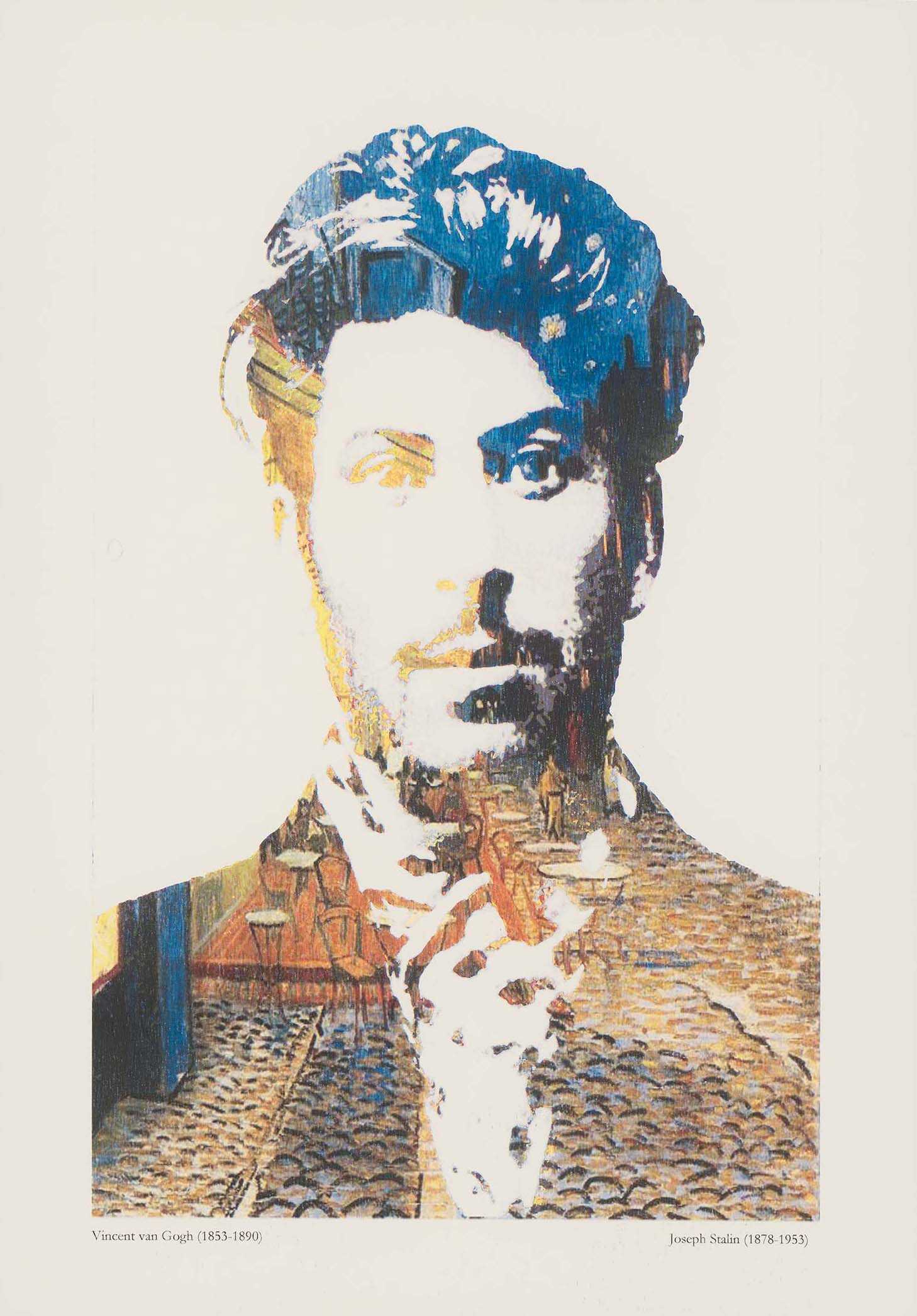
Vincent Van Gogh (1853-1890)/Joseph Stalin (1878-1953)
Poulantza, Natassa (1965)
More from the Postwar


Explore what happened on the days that shaped Joseph Stalin's life. Today In History connects historical figures with the events, births, and deaths that defined their era. Browse all historical figures or explore today's events.