

Historical Figure
John Paul Jones
b. 1946
Scottish-born naval officer (1747–1792)
Talk to John Paul Jones
Have a conversation with this historical figure through AI
Biography
John Paul Jones was a British-American naval officer who served in the Continental Navy during the American Revolutionary War. Often referred to as the "Father of the American Navy", Jones is regarded by several commentators as one of the greatest naval commanders in the military history of the United States.
Timeline
The story of John Paul Jones, told in moments.
Born John Richard Baldwin in Sidcup, Kent. His father played piano for big bands. His mother toured too. The family performed together as a vaudeville act across England.
Began session work at Decca Records on the recommendation of Tony Meehan. Over four years he played bass, keys, and arranged on hundreds of recordings. He worked with the Rolling Stones on Their Satanic Majesties Request and Donovan on "Hurdy Gurdy Man." The phone didn't stop ringing.
Formed Led Zeppelin with Jimmy Page, Robert Plant, and John Bonham. Jones handled bass and keyboards. Their debut album was recorded in 30 hours of studio time.
Inducted into the Rock and Roll Hall of Fame as a member of Led Zeppelin. The band had sold over 300 million records. Jones had been the quiet one, but the rhythm section doesn't lie.
Formed the supergroup Them Crooked Vultures with Dave Grohl and Josh Homme. The album debuted at No. 12 on the Billboard 200. Jones was 63 and playing harder than musicians half his age.
In Their Own Words (5)
I wish to have no connection with any ship that does not sail fast; for I intend to go in harm's way.
Letter to Le Ray de Chaumont (16 November 1778), as quoted in The Naval History of the United States (1890) by Willis John Abbot, p. 82, 1890
I have not yet begun to fight!
His famous response, in the early phase of the , (23 September 1779) to an inquiry by his opponent (Captain Richard Pearson of the Royal Navy ship HMS Serapis) as to whether he was surrendering his ship, the USS Bonhomme Richard, as recounted in the reminiscences of Jones's First Lieutenant, Richard Dale, as published in The Life and Character of John Paul Jones, a Captain in the United States Navy (1825) by John Henry Sherburne:, 1825
I may sink, but I'll be damned if I strike!
His much less famous response, in the late phase of the Battle of Flamborough Head, 23 September 1779, to an inquiry by his opponent (Captain Richard Pearson of the Royal Navy ship HMS Serapis) as to whether he was surrendering his ship, the USS Bonhomme Richard, which was by this time very seriously damaged., 1779
Where men of fine feeling are concerned there is seldom misunderstanding.
Letter from Jones to the Marquis de Lafayette, (1 May 1779), 1779
A navy is essentially and necessarily aristocratic. True as may be the political principles for which we are now contending they can never be practically applied or even admitted on board ship, out of port, or off soundings. This may seem a hardship, but it is nevertheless the simplest of truths. Whilst the ships sent forth by the Congress may and must fight for the principles of human rights and republican freedom, the ships themselves must be ruled and commanded at sea under a system of absolute despotism.
Letter to the Naval Committee of Congress (14 September 1775), 1775
Artifacts (15)
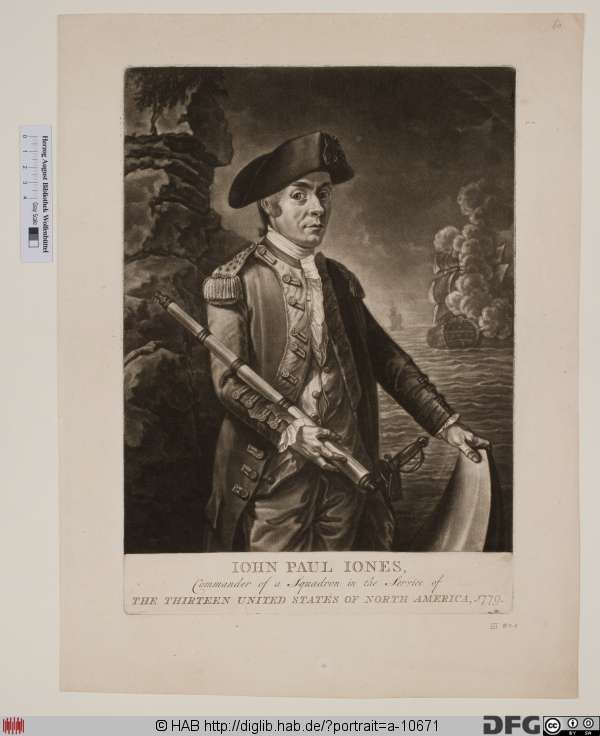


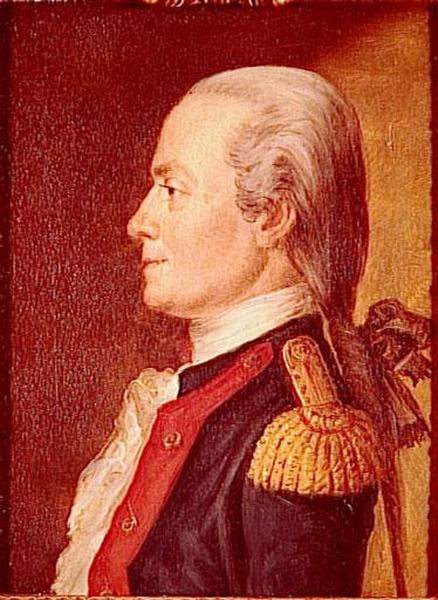


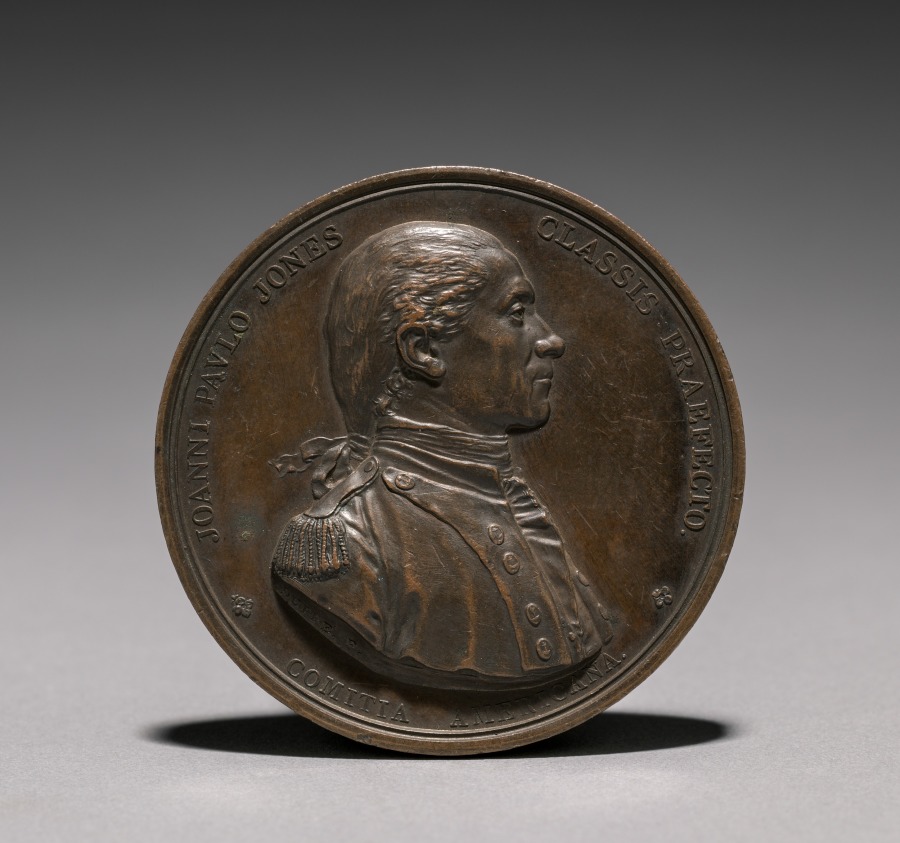
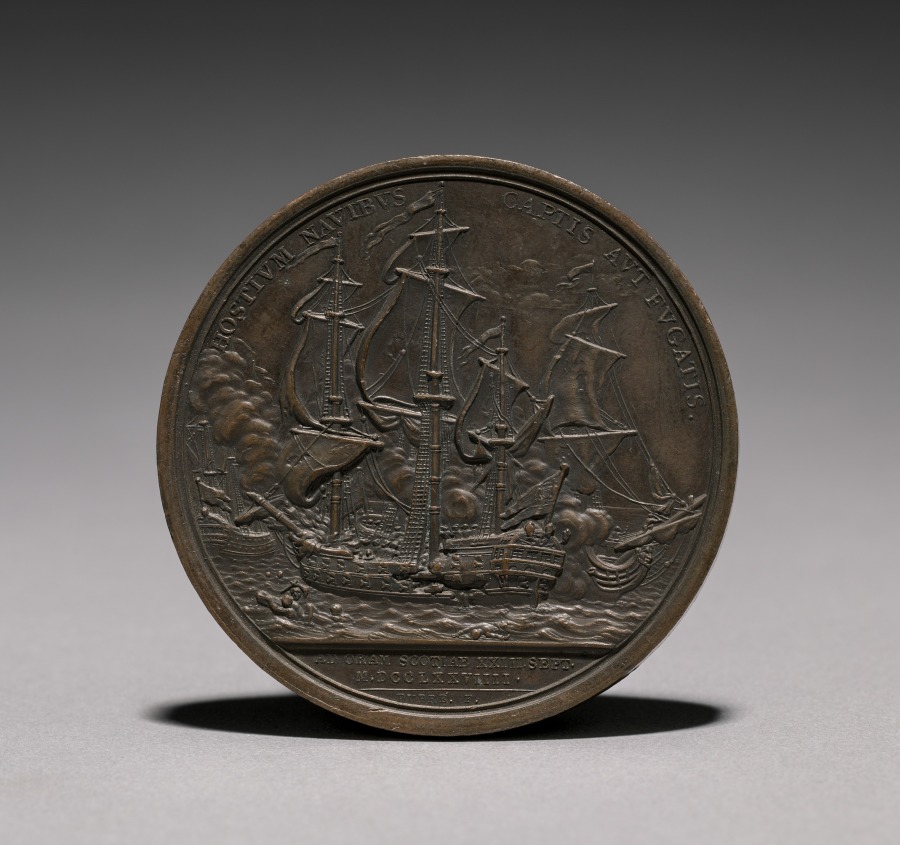
Photograph of a Portrait of John Paul Jones - NARA - 532900
Unknown authorUnknown author or not provided
More from the Postwar


Explore what happened on the days that shaped John Paul Jones's life. Today In History connects historical figures with the events, births, and deaths that defined their era. Browse all historical figures or explore today's events.