

Historical Figure
Ho Chi Minh
d. 1969
Leader of North Vietnam from 1945 to 1969
Talk to Ho Chi Minh
Have a conversation with this historical figure through AI
Biography
Hồ Chí Minh, colloquially known as Uncle Ho among other aliases and sobriquets, was a Vietnamese revolutionary and statesman who founded the Democratic Republic of Vietnam in 1945, which was commonly known as North Vietnam after 1954. He served as its first president from 1946 until his death in 1969 and as its first prime minister from 1945 to 1955. A committed Marxist–Leninist, Hồ also played a central role in establishing the Indochinese Communist Party in 1930 and later led its successor, the Workers' Party of Vietnam, as chairman until his death.
Timeline
The story of Ho Chi Minh, told in moments.
Born Nguyen Sinh Cung in Nghe An province, French Indochina. His father is a Confucian scholar who refuses to serve the French colonial administration. At 21, Ho leaves Vietnam on a French merchant ship working as a kitchen hand. He won't return for 30 years. He uses between 50 and 200 aliases during his life.
Becomes a founding member of the French Communist Party in Paris. He's been living in London, then Paris, working odd jobs: photo retoucher, gardener, fake antique painter. He petitions the Versailles Conference for Vietnamese self-determination. Nobody listens. He studies in Moscow, then goes to China to organize.
Returns to Vietnam after 30 years abroad. Founds the Viet Minh independence movement in a cave in Pac Bo, near the Chinese border. When Japan surrenders in 1945, he launches the August Revolution and declares independence on September 2 in Hanoi. He quotes the American Declaration of Independence in his speech.
The Viet Minh defeat the French at Dien Bien Phu after a 57-day siege. The French lose 11,000 men. It ends a century of French colonialism in Indochina. At Geneva, Vietnam is divided at the 17th parallel. Ho gets the north.
The U.S. escalates from advisers to combat troops. Ho oversees the supply network through Laos and Cambodia that Americans call the Ho Chi Minh Trail. Tens of thousands of tons of supplies move south on bicycles and human backs. He tells his people the war may last 10 or even 20 years but they will win.
Dies in Hanoi at 79 on the 24th anniversary of Vietnam's independence declaration. He asks to be cremated and have his ashes scattered. The government ignores his wishes and embalms him in a Soviet-built mausoleum in central Hanoi, where his body is displayed behind glass.
In Their Own Words (8)
The Trotskyists are not only the enemies of Communism, they are also the enemies of democracy and of progress. They are the most infamous traitors and spies.
From a letter sent to the Communist Party of Vietnam, quoted in Vietnam & Trotskyism (1987), 1987
Nothing is more precious than Independence and Liberty.
Political slogan, quoted in Ho Chi Minh and His Vietnam : A Personal Memoir (1972) by Jean Sainteny, p. 172, 1972
Remember that the storm is a good opportunity for the pine and the cypress to show their strength and their stability.
As quoted in From Colonialism to Communism : A Case History of North Vietnam (1964) by Văn Chí Hoàng, p. 37, 1964
Revolutionary morality consists in absolute loyalty to the Party and the people.
1958
Revolutionary morality consists in uniting with the masses in one body, trusting them and paying attention to their opinion. By their words and deeds. Party and Working Youth Union members and cadres win the people's confidence, respect and love, closely unite them around the Party, organize, educate and mobilize them so that they will enthusiastically implement the Party's policies and resolutions.
1958
Artifacts (15)
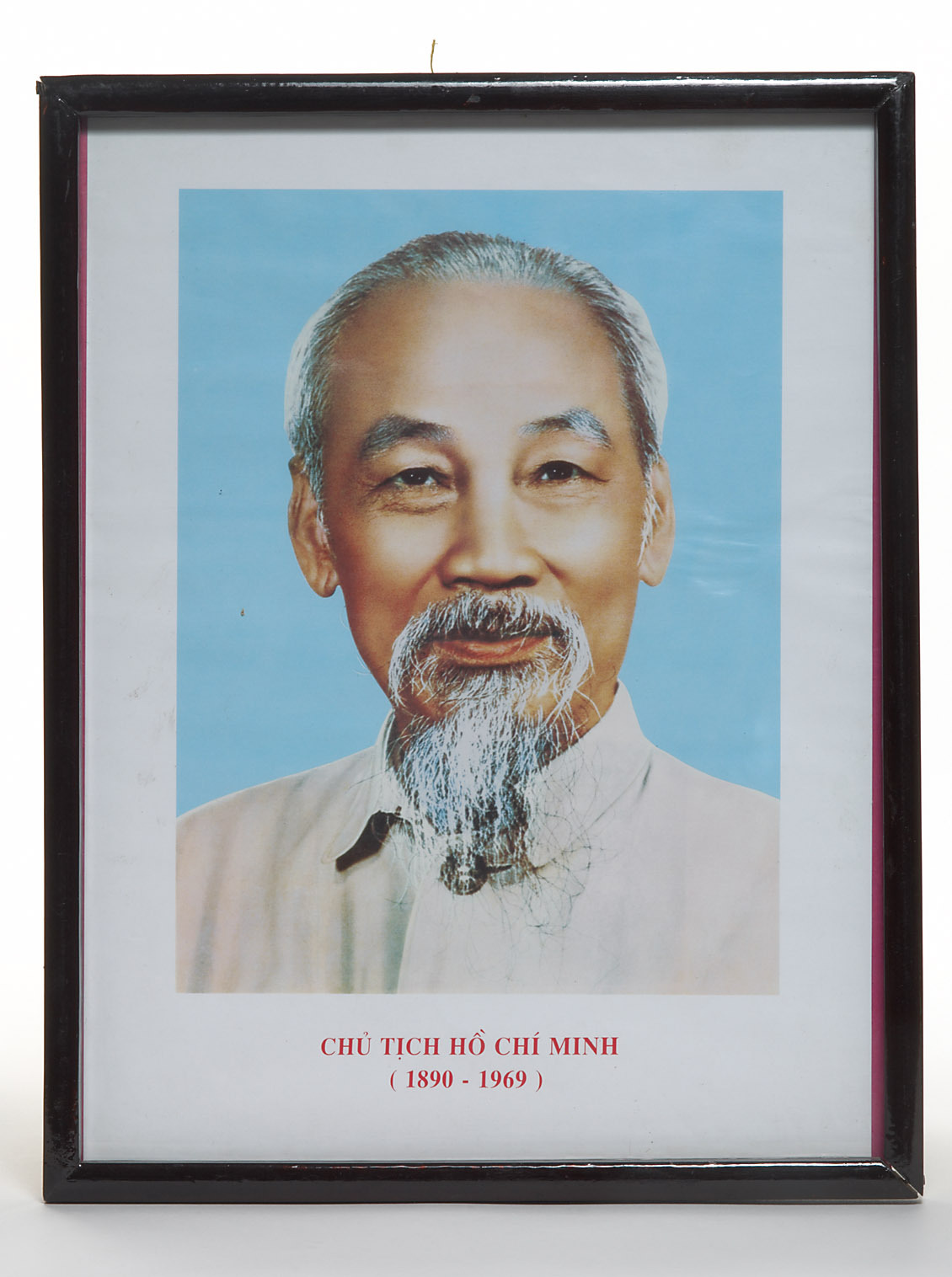
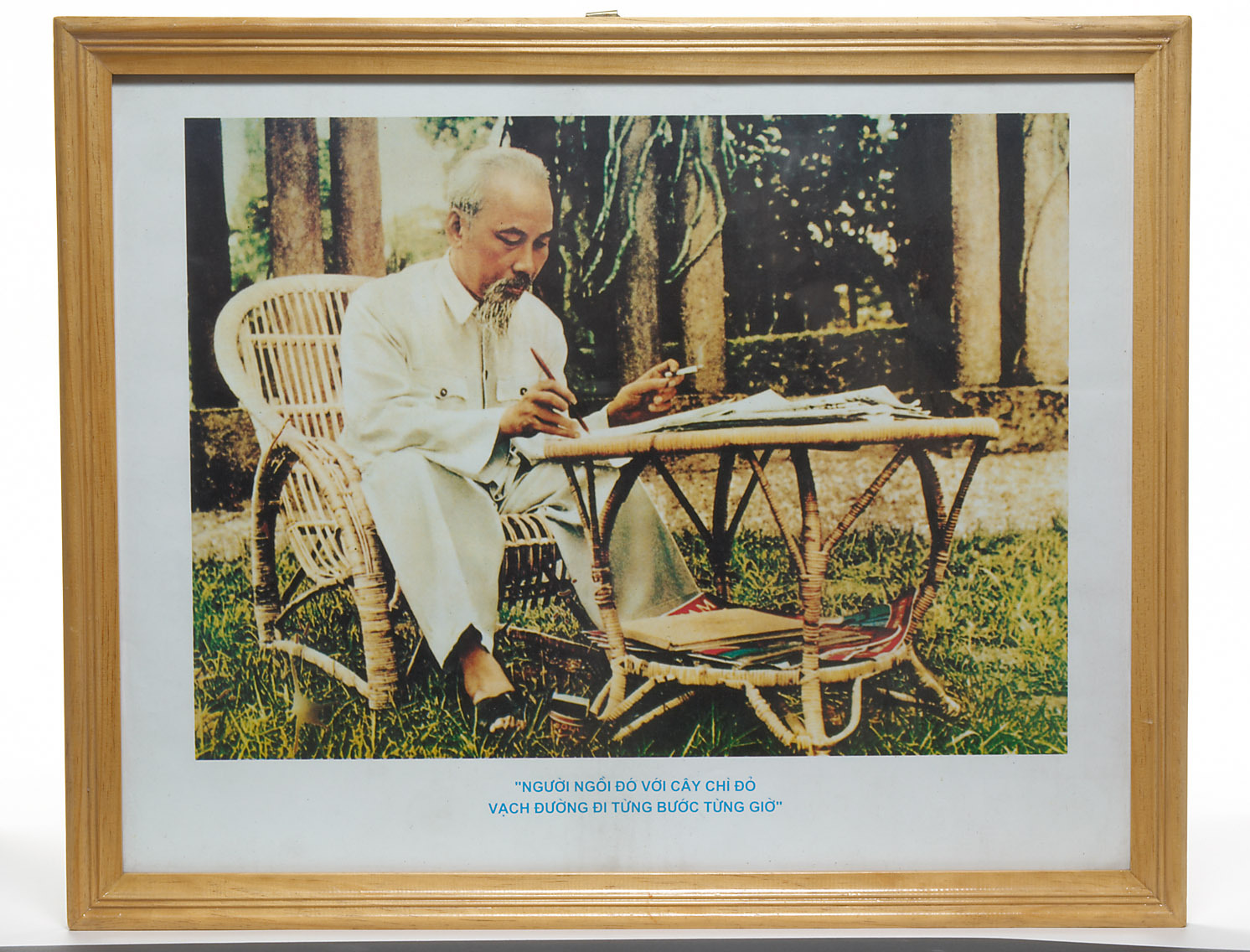


Ho Chi Minh - 1946 Portrait
Unknown authorUnknown author
More from the Postwar


Explore what happened on the days that shaped Ho Chi Minh's life. Today In History connects historical figures with the events, births, and deaths that defined their era. Browse all historical figures or explore today's events.