

Historical Figure
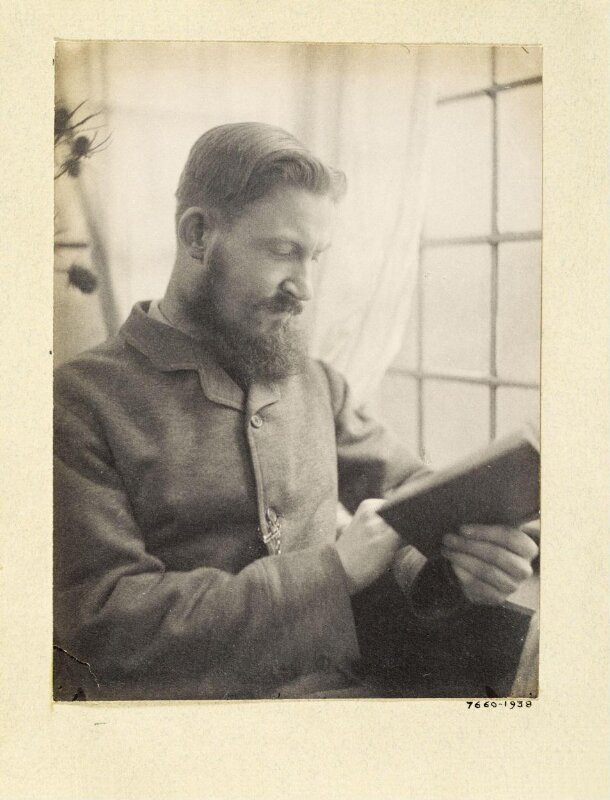
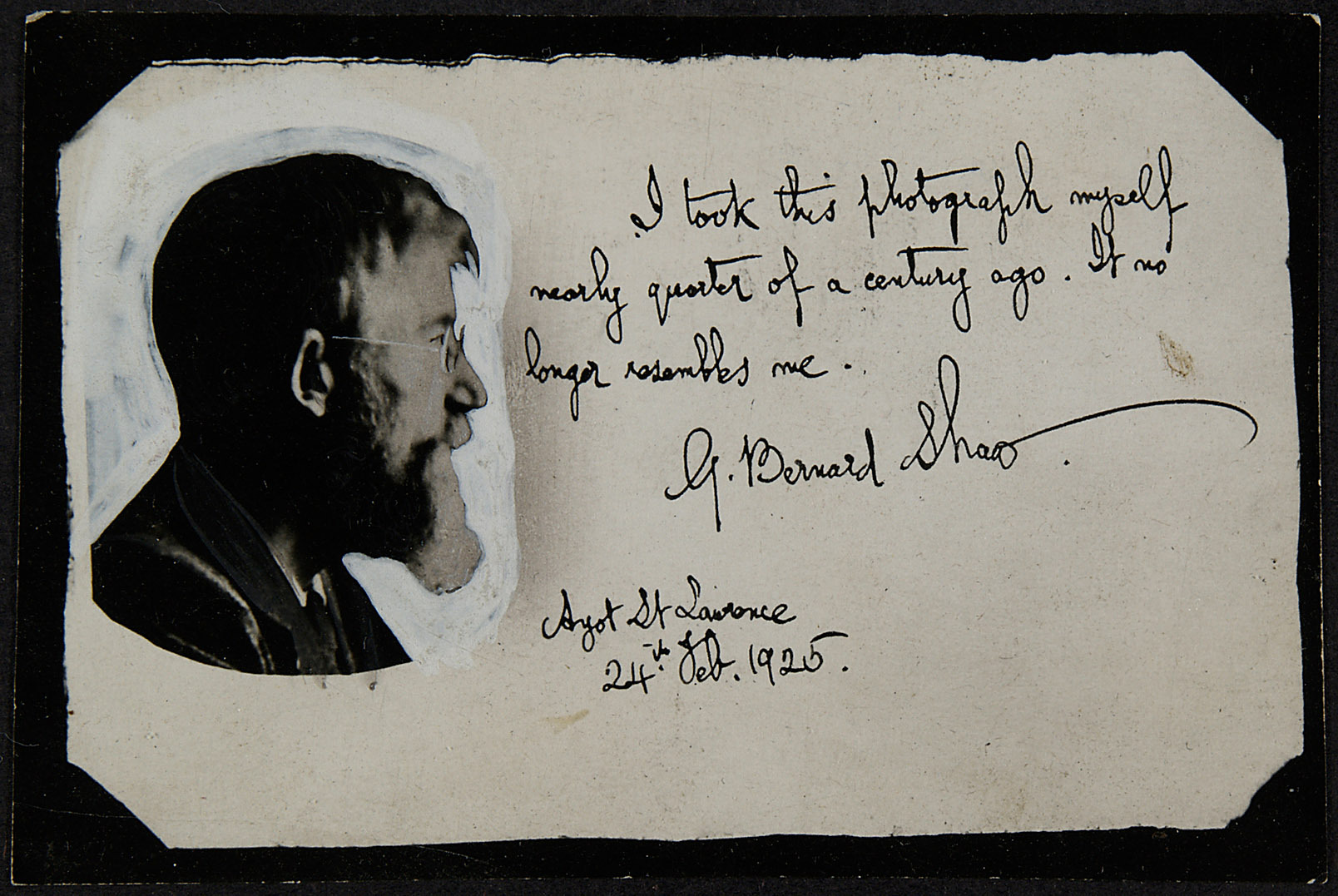
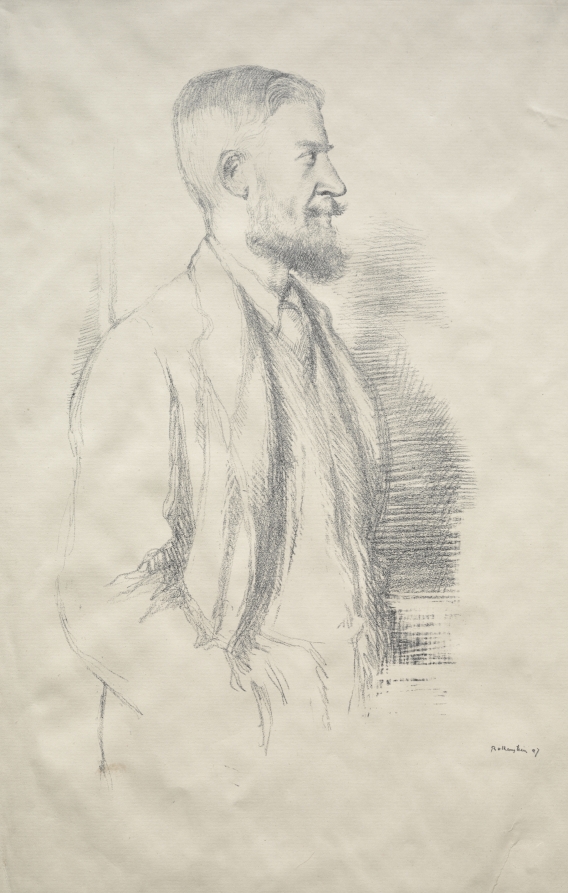
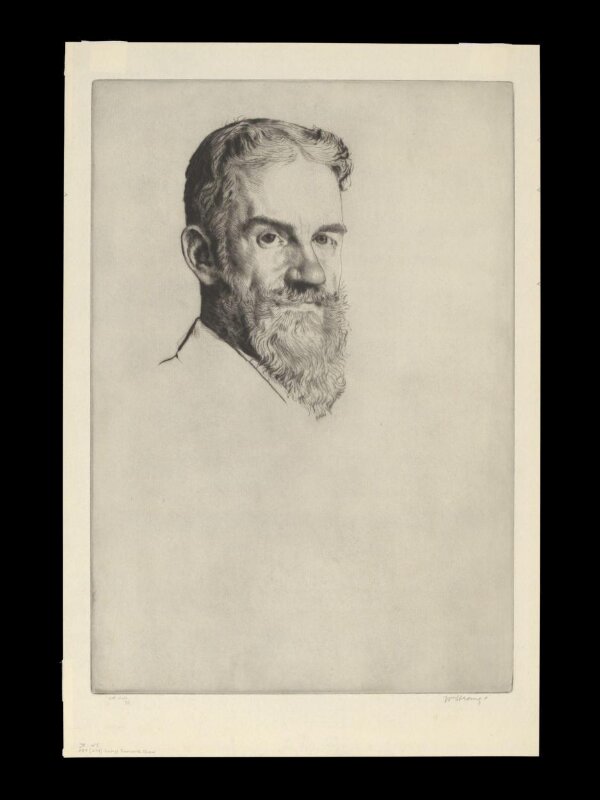
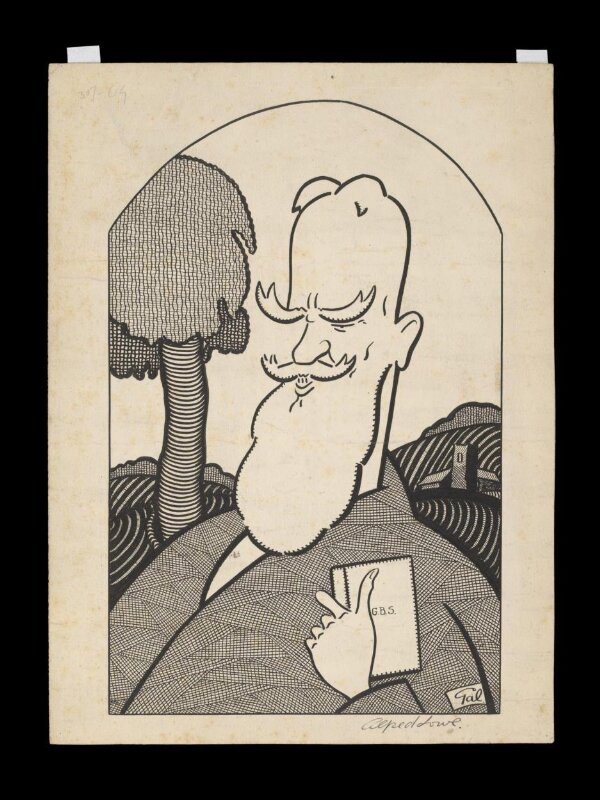
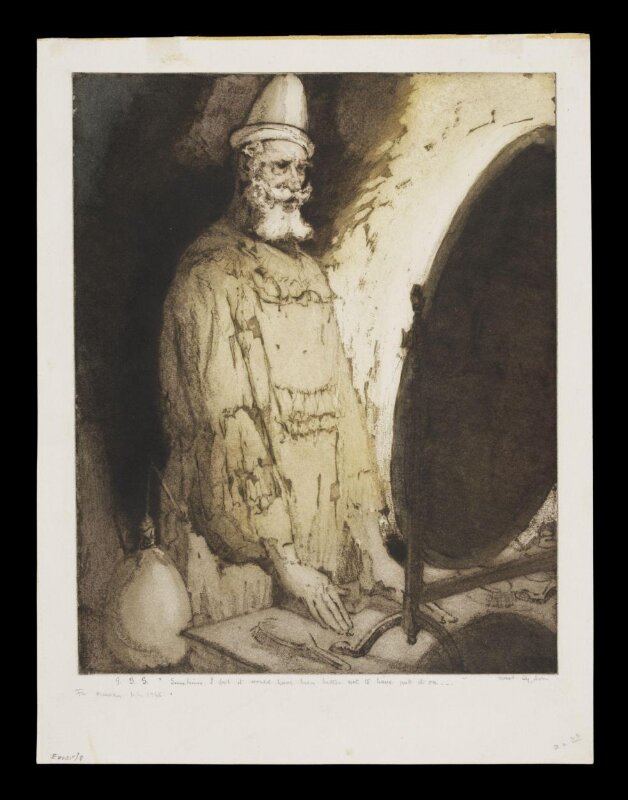
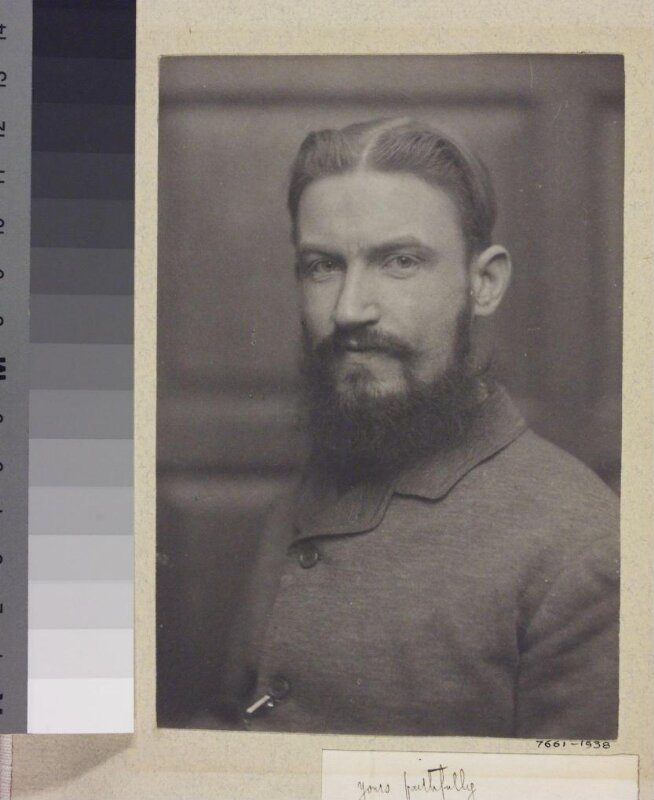
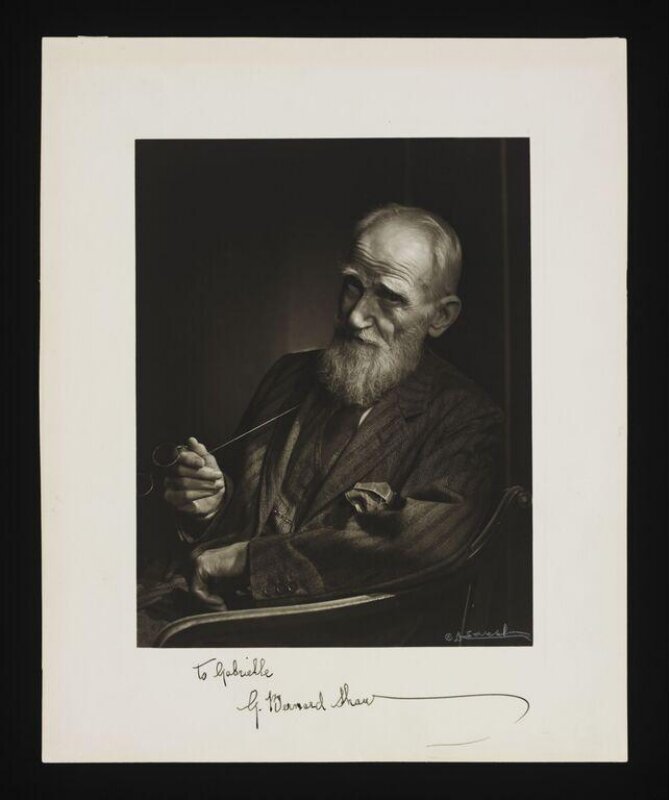
George Bernard Shaw
1856–1950
Irish playwright, critic, and polemicist (1856–1950)
Talk to George Bernard Shaw
Have a conversation with this historical figure through AI
Biography
George Bernard Shaw, known at his insistence as Bernard Shaw, was an Irish playwright, critic, polemicist and political activist. His influence on Western theatre, culture and politics extended from the 1880s to his death and beyond. He wrote more than sixty plays, including major works such as Man and Superman (1902), Pygmalion (1913) and Saint Joan (1923). With a range incorporating both contemporary satire and historical allegory, Shaw became the leading dramatist of his generation, and in 1925 was awarded the Nobel Prize in Literature.
Timeline
The story of George Bernard Shaw, told in moments.
Arms and the Man opens in London and earns his first success as a playwright. He's 38 and has spent a decade writing novels nobody reads, music criticism everybody reads, and Fabian socialist pamphlets. The theater is the thing that sticks.
Writes Pygmalion, a play about a phonetics professor who turns a Cockney flower girl into a society lady. It becomes his most popular work. The 1964 musical adaptation, My Fair Lady, runs 2,717 performances on Broadway.
Awarded the Nobel Prize in Literature. He calls the prize money "a lifebelt thrown to a swimmer who has already reached the shore." He tries to refuse it. Eventually accepts the medal but donates the money to fund English translations of Swedish literature.
Turns down the money yet again with his famous quip: "I can forgive Alfred Nobel for inventing dynamite, but only a fiend in human form could have invented the Nobel Prize."
Dies at his home in Ayot St Lawrence, Hertfordshire, at 94. He fell while pruning a tree in his garden. The resulting hip fracture and kidney failure kill him. He wrote over 60 plays and answered his own mail until the end.
In Their Own Words (20)
The only time my education was interrupted was when I was in school.
Widely attributed to Shaw from the 1970s onward, but not known to exist in his published works. It is in keeping with some of his sardonic statements about the purposes and effectiveness of schools. First known attribution in print is in Neil Postman and Charles Weingartner's Teaching as a Subversive Activity (1971), "G. B. Shaw's line that the only time his education was interrupted was when he was in school captures the sense of this alienation.", 1971
Dancing is a perpendicular expression of a horizontal desire.
Attributed by George Melly in 1962; see "Dancing Is a Perpendicular Expression of a Horizontal Desire", Quote Investigator (11 September 2016), 1962
No public man in these islands ever believes that the Bible means what it says: he is always convinced that it says what he means; and I have no reason to hope that Mr Coote may be an exception to the rule.
"The Living Pictures", The Saturday Review, LXXIX (April 6, 1895), 443; reprinted in Our Theatres in the Nineties (1932). Vol. 1. London: Constable & Co. 79-86, 1932
The worst sin towards our fellow creatures is not to hate them, but to be indifferent to them: that's the essence of inhumanity.
The Devil's Disciple, Act II (1901), 1901
The novelties of one generation are only the resuscitated fashions of the generation before last.
Three Plays for Puritans, Preface (1900), 1900
Artifacts (15)


More from the Postwar


Explore what happened on the days that shaped George Bernard Shaw's life. Today In History connects historical figures with the events, births, and deaths that defined their era. Browse all historical figures or explore today's events.