

Historical Figure
Frank Lloyd Wright
d. 1959
American architect (1867–1959)
Talk to Frank Lloyd Wright
Have a conversation with this historical figure through AI
Biography
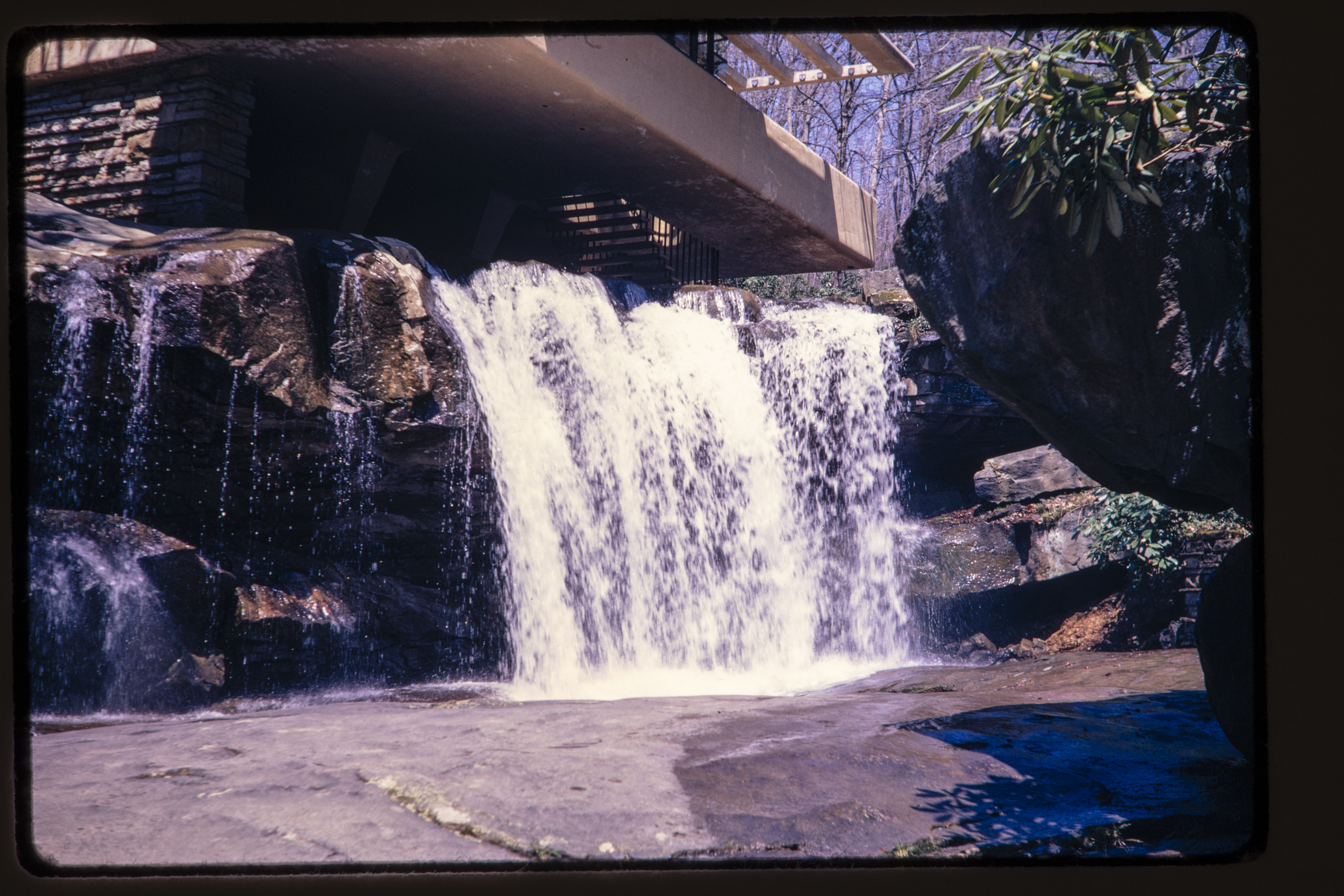
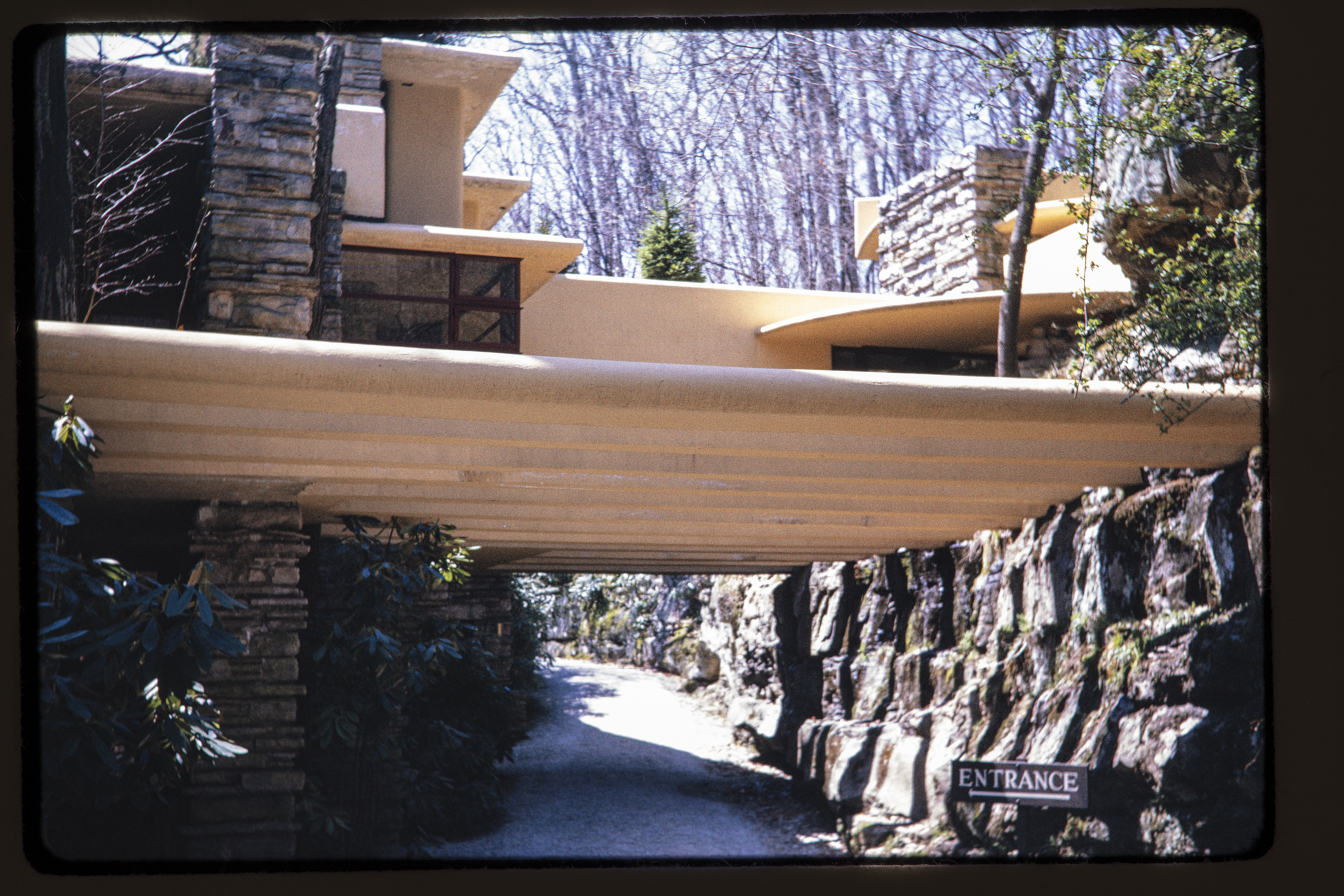
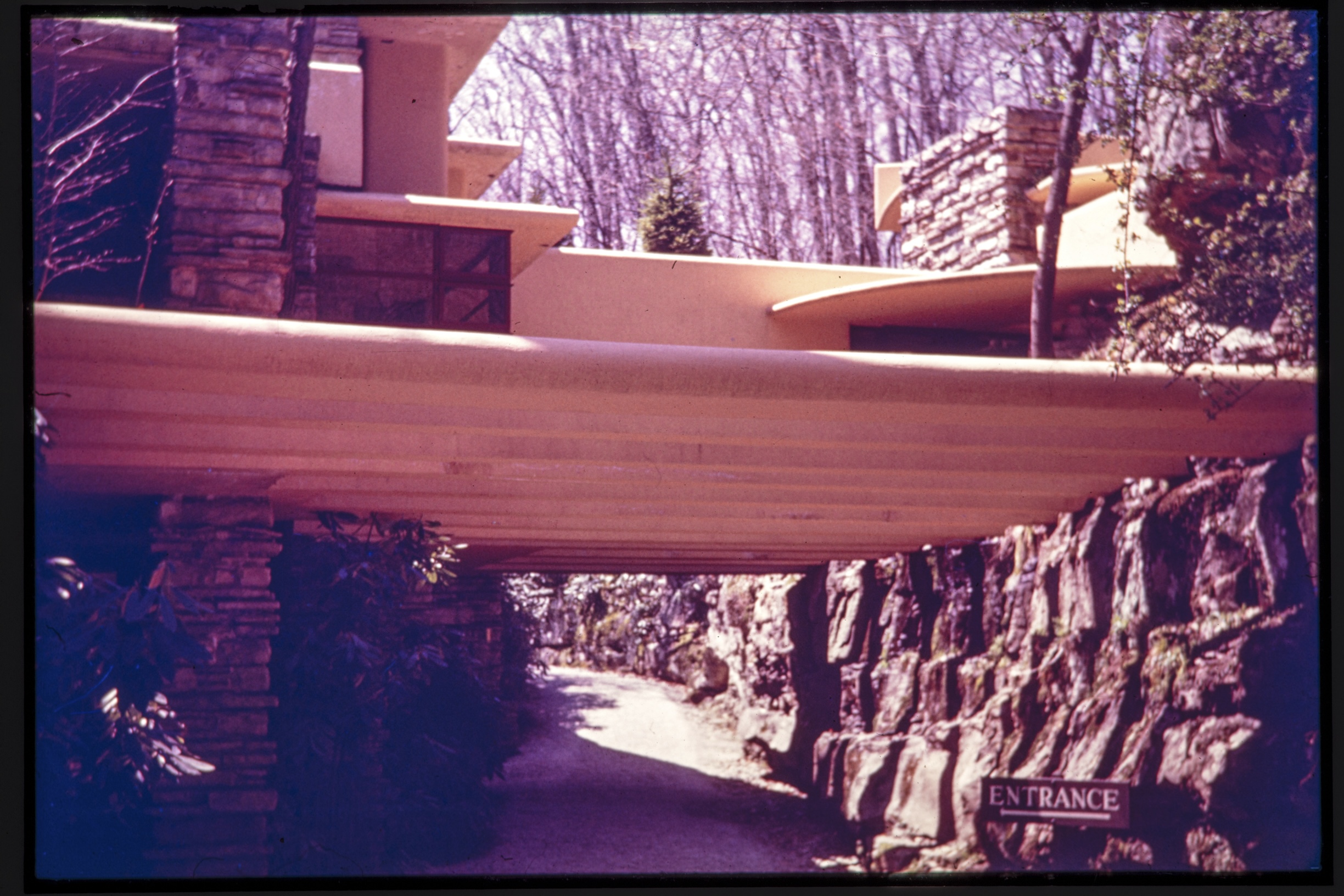
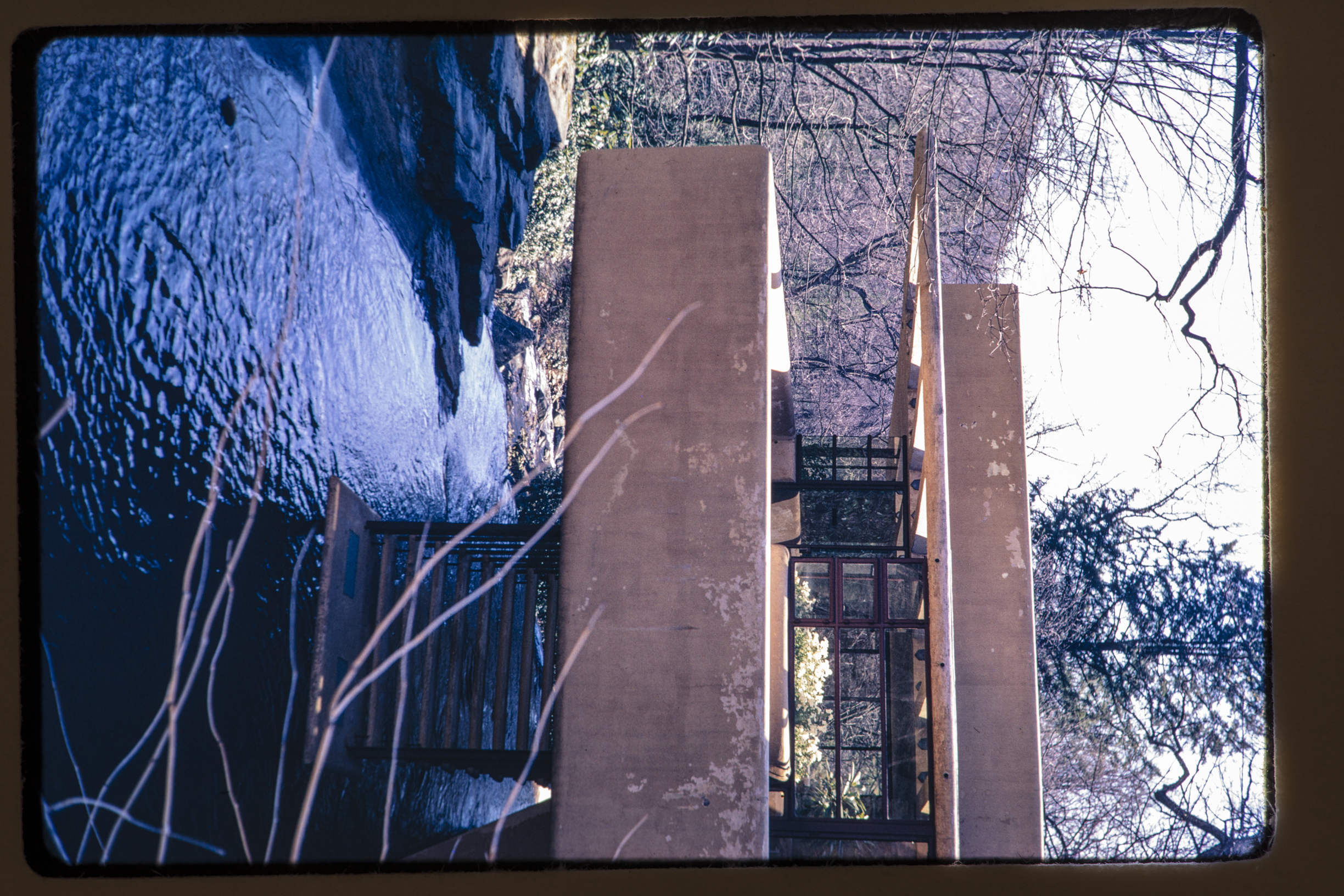
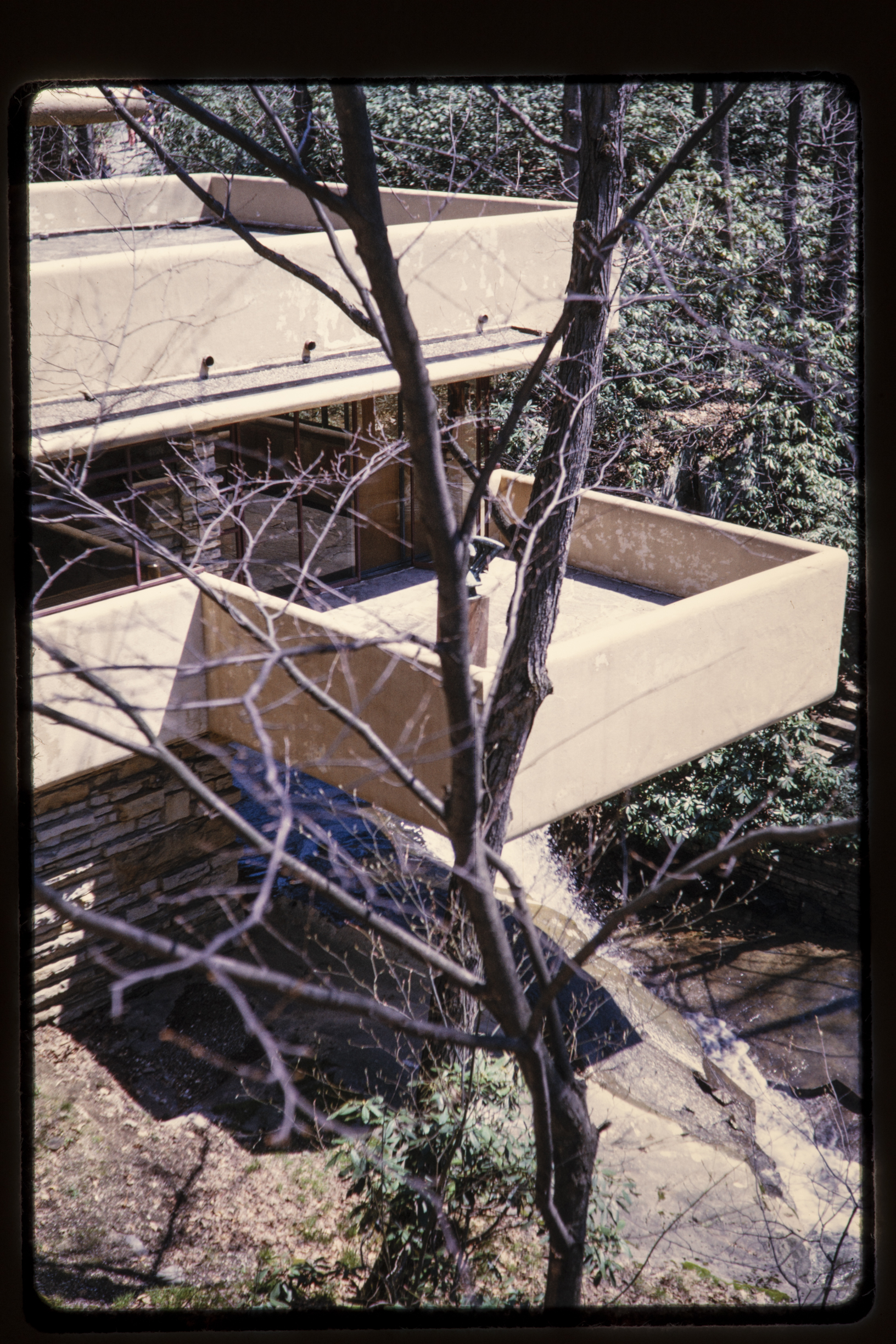
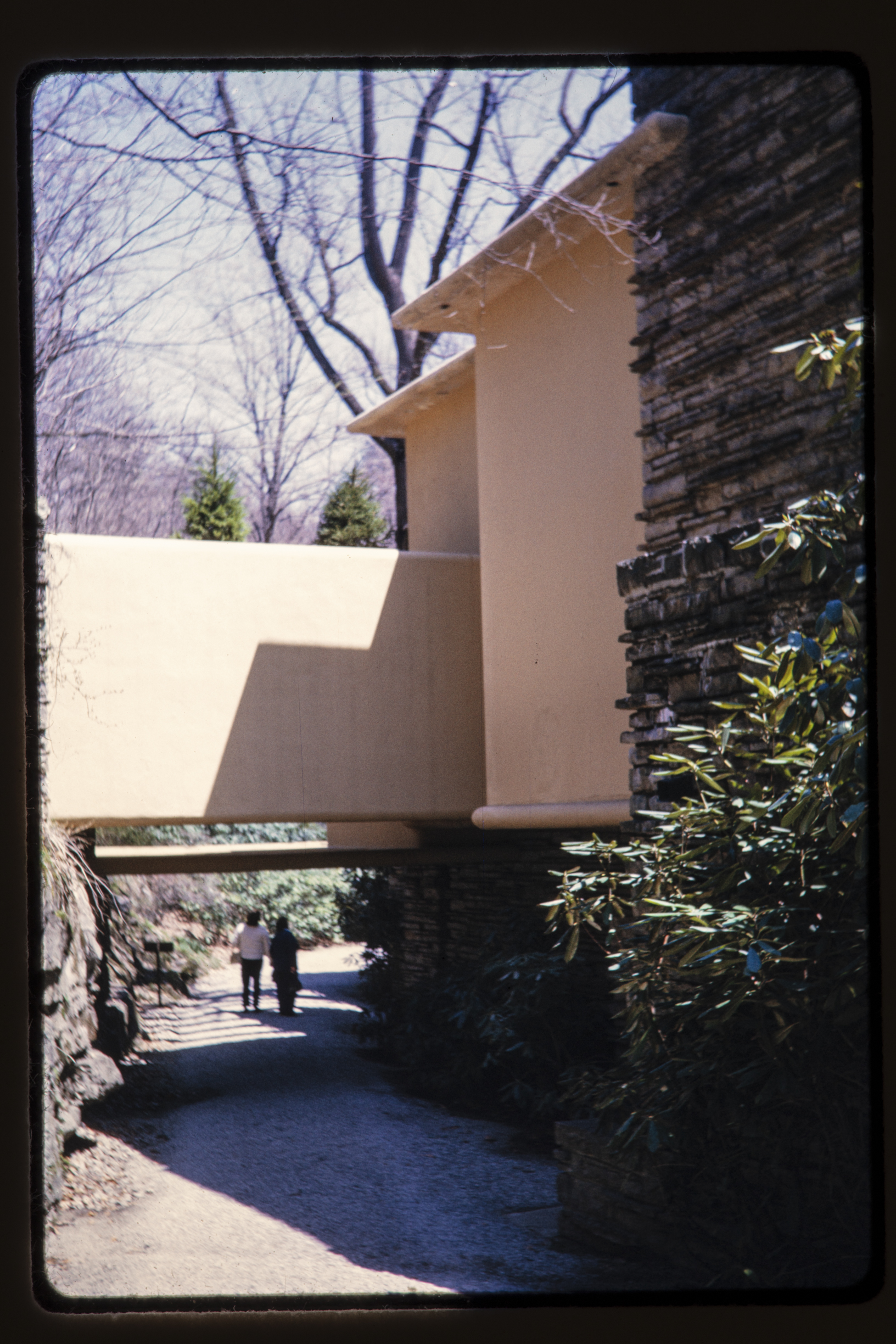
Frank Lloyd Wright Sr. was an American architect, designer, writer, and educator. He designed more than 1,000 structures over a creative period of 70 years. Wright played a key role in the architectural movements of the twentieth century, influencing architects worldwide through his works and mentoring hundreds of apprentices in his Taliesin Fellowship. Wright believed in designing in harmony with humanity and the environment, a philosophy he called organic architecture. This philosophy was exemplified in Fallingwater (1935), which has been called "the best all-time work of American architecture".
Timeline
The story of Frank Lloyd Wright, told in moments.
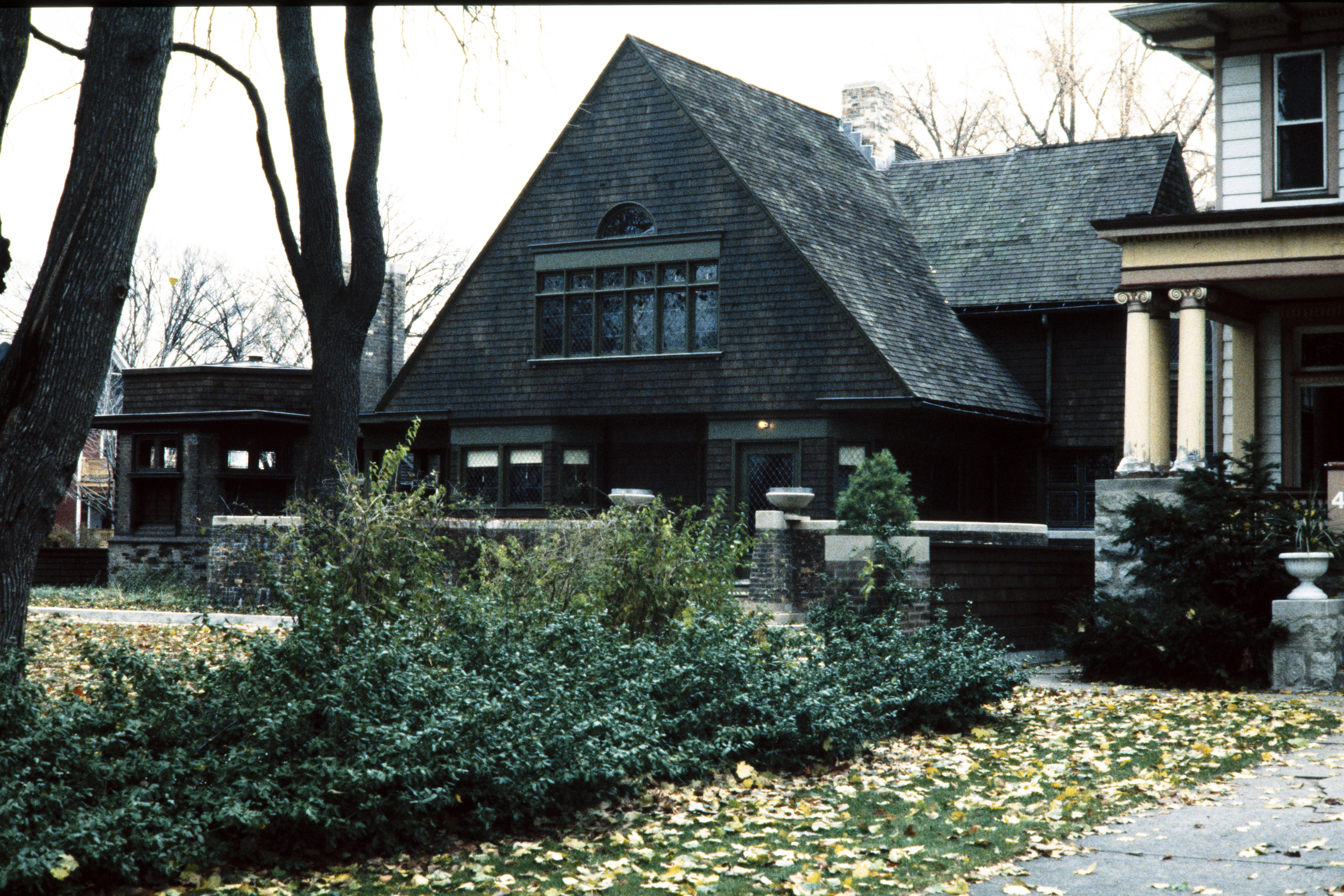
Opens his own practice in Chicago after apprenticing under Louis Sullivan, whom he calls "Lieber Meister." Over the next two decades, he designs over 200 Prairie-style homes defined by horizontal lines, open plans, and deep connection to the landscape.
A servant at Taliesin, his Wisconsin home, bolts the dining room doors shut, sets fire to the building, and murders seven people with a hatchet as they try to escape. Among the dead: his companion Mamah Borthwick and her two children. Wright rebuilds Taliesin twice.
Designs Fallingwater, a house cantilevered over a waterfall in rural Pennsylvania. The client, Edgar Kaufmann, wants a view of the falls. Wright puts him on top of them. It's later called "the best all-time work of American architecture."
Begins designing the Solomon R. Guggenheim Museum in New York. The building is a continuous spiral ramp. The art world hates the concept. Construction doesn't begin until 1956. Wright doesn't live to see the opening.
Dies in Phoenix at 91. The Guggenheim opens six months later. He designed more than 1,000 structures. 532 were built. He is 91 and still had projects on the drafting table.
In Their Own Words (20)
The screech and mechanical uproar of the big city turns the citified head, fills citified ears — as the song of birds, wind in the trees, animal cries, or as the voices and songs of his loved ones once filled his heart. He is sidewalk-happy.
“Earth”, 1958
All fine architectural values are human values, else not valuable.
“Recapitulation”, 1958
The present is the ever moving shadow that divides yesterday from tomorrow. In that lies hope.
Closing words, “Night is but a Shadow Cast by the Sun”, 1958
I find it hard to believe that the machine would go into the creative artist's hand even were that magic hand in true place. It has been too far exploited by industrialism and science at expense to art and true religion.
“Night Is but a Shadow Cast by the Sun”, 1958
To look at the cross-section of any plan of a big city is to look at something like the section of a fibrous tumor.
“Social and Economic Disease”, 1958
Artifacts (15)
More from the Postwar


Explore what happened on the days that shaped Frank Lloyd Wright's life. Today In History connects historical figures with the events, births, and deaths that defined their era. Browse all historical figures or explore today's events.