

Historical Figure
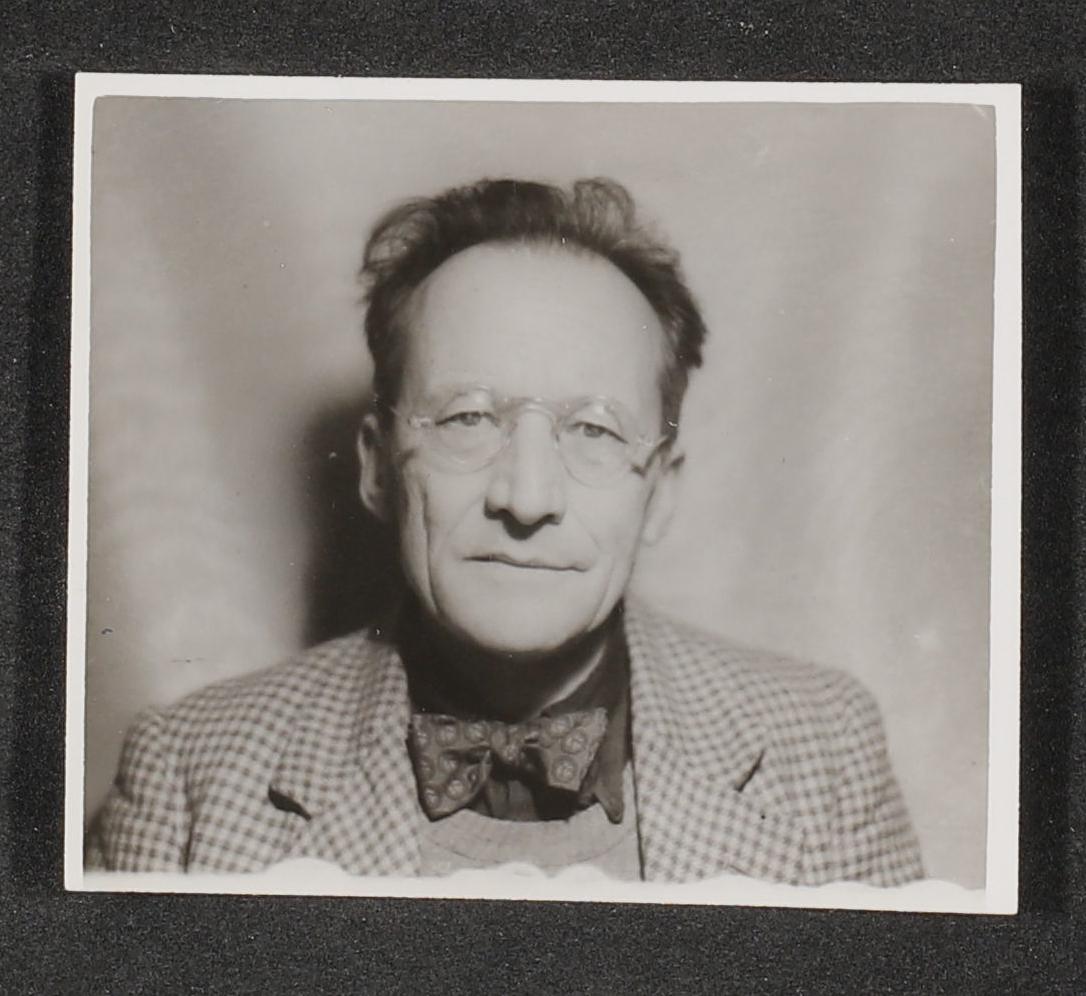
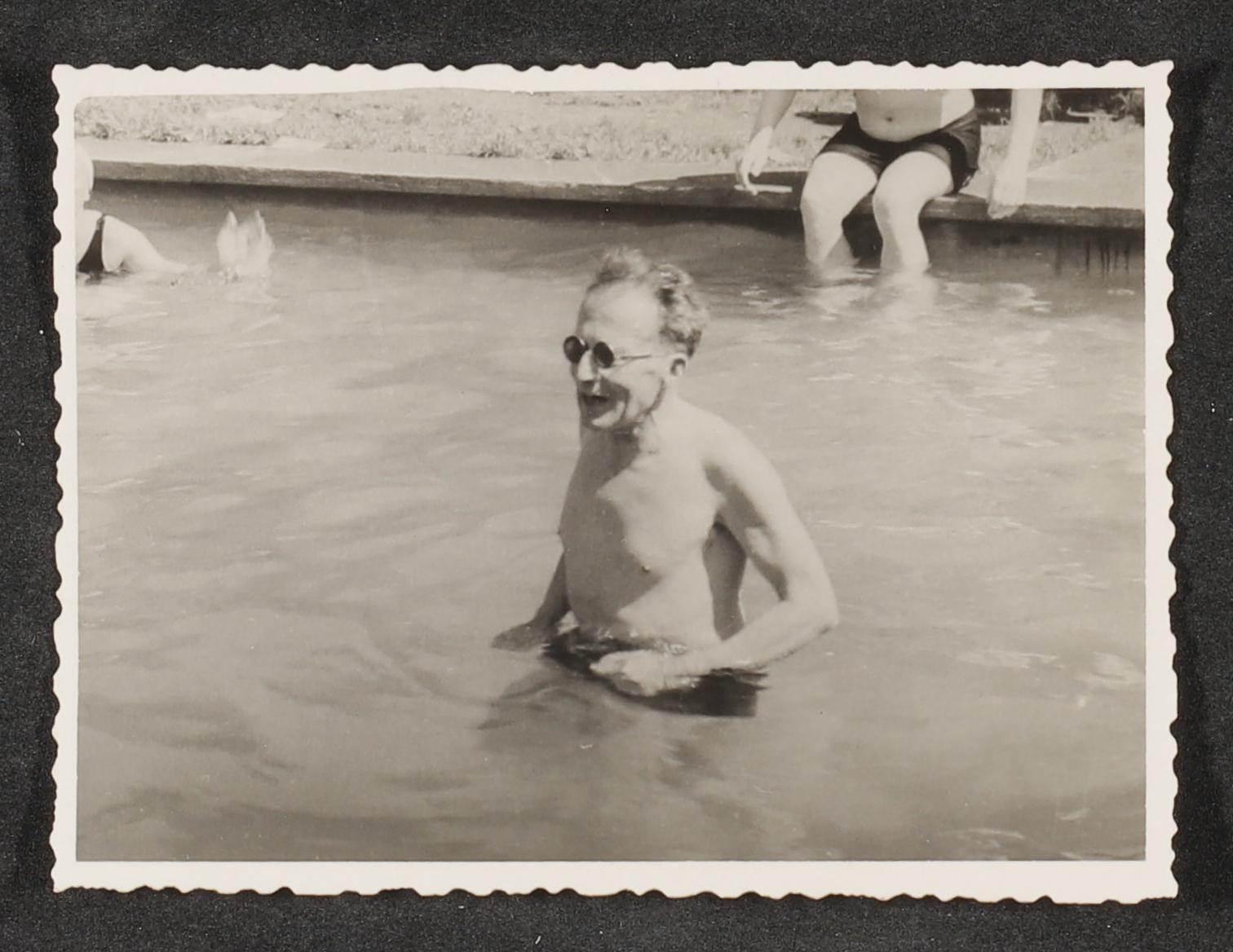
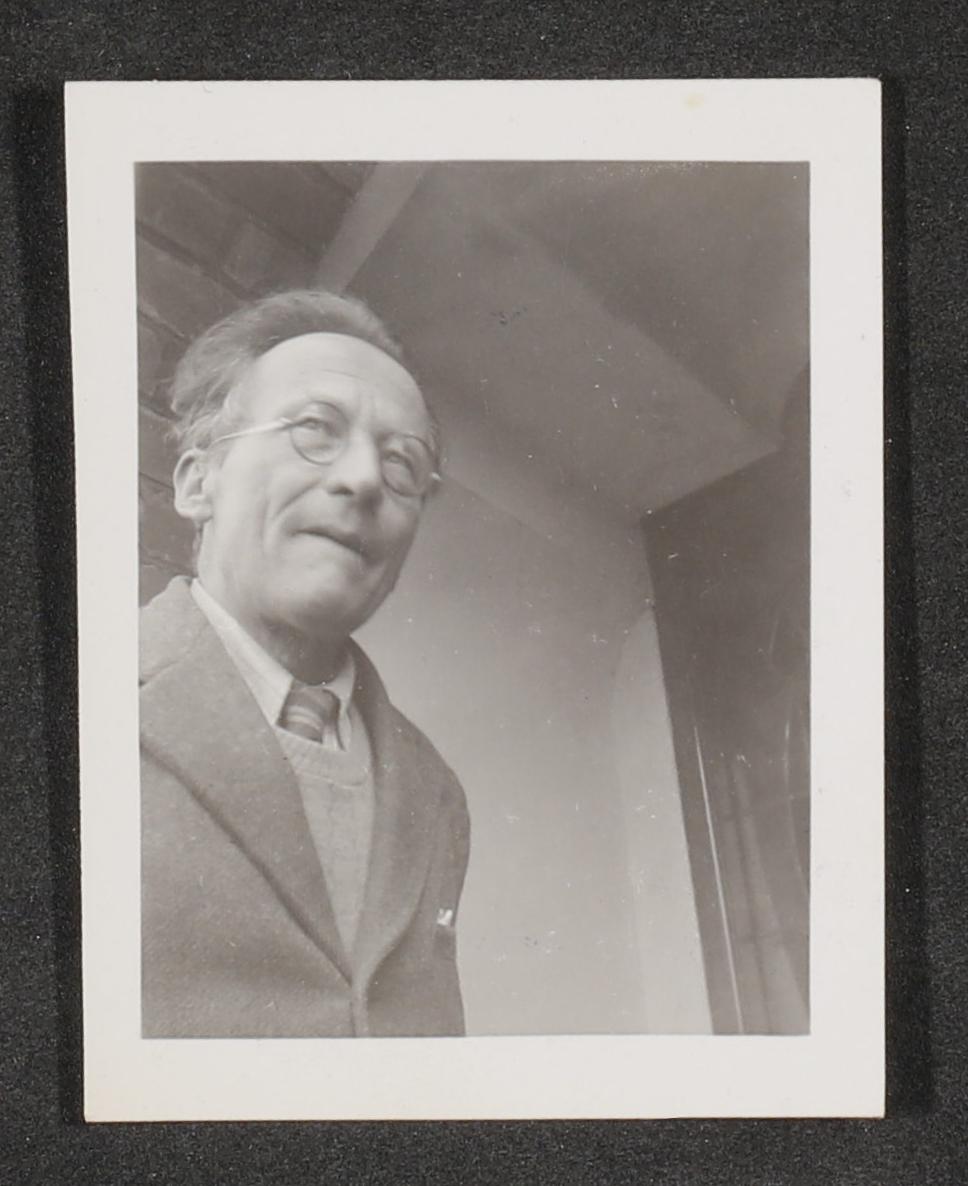
Erwin Schrödinger
1887–1961
Austrian–Irish theoretical physicist (1887–1961)
What do you want Erwin Schrödinger to say?
Sign up free to hear it.
Hear the original recording — “YouTube search fallback (batch 49)” →
Talk to Erwin Schrödinger
Have a conversation with this historical figure through AI
Biography
Erwin Rudolf Josef Alexander Schrödinger, sometimes written as Schroedinger or Schrodinger, was an Austrian–Irish theoretical physicist who developed fundamental results in quantum theory. In particular, he is recognized for devising the Schrödinger equation, an equation that provides a way to calculate the wave function of a system and how it changes dynamically in time. He coined the term "quantum entanglement" in 1935. Schrödinger shared the 1933 Nobel Prize in Physics with Paul Dirac "for the discovery of new productive forms of atomic theory."
Timeline
The story of Erwin Schrödinger, told in moments.
At 38, during a Christmas holiday at a Swiss ski lodge with a woman who wasn't his wife, he produces the wave equation that bears his name. It describes how quantum particles behave over time. He publishes four papers in six months that rewrite physics.
Wins the Nobel Prize in Physics with Paul Dirac for "the discovery of new productive forms of atomic theory." He immediately leaves Germany, repelled by the Nazis. Lands at Oxford, but his living arrangement with both his wife and his mistress causes a scandal. He moves on.
Publishes his famous thought experiment: a cat in a box with a quantum-triggered vial of poison is simultaneously alive and dead until someone opens the lid. He means it as a critique of quantum mechanics, not an endorsement. The cat outlives the criticism.
Publishes What Is Life?, a short book arguing that living organisms must store genetic information in an "aperiodic crystal." Francis Crick and James Watson both cite it as the book that led them to discover DNA's structure.
Dies of tuberculosis in Vienna at 73. He'd returned from Dublin in 1956 to a chair at his old university. Buried in Alpbach, Austria. His gravestone bears his equation.
In Their Own Words (20)
No self is of itself alone. It has a long chain of intellectual ancestors. The "I" is chained to ancestry by many factors … This is not mere allegory, but an eternal memory.
Writings of July 1918, quoted in A Life of Erwin Schrödinger (1994) by Walter Moore, 1994
The stages of human development are to strive for: (1) Besitz [Possession] (2) Wissen [Knowledge] (3) Können [Ability] (4) Sein [Being]
Writings of August 1918, quoted in A Life of Erwin Schrödinger (1994) by Walter Moore, 1994
Matter and energy seem granular in structure, and so does "life", but not so mind.
1958
If we were bees, ants, or Lacedaemonian warriors, to whom personal fear does not exist and cowardice is the most shameful thing in the world, warring would go on forever. But luckily we are only men — and cowards.
1958
The material world has only been constructed at the price of taking the self, that is, mind, out of it, removing it; mind is not part of it...
1958
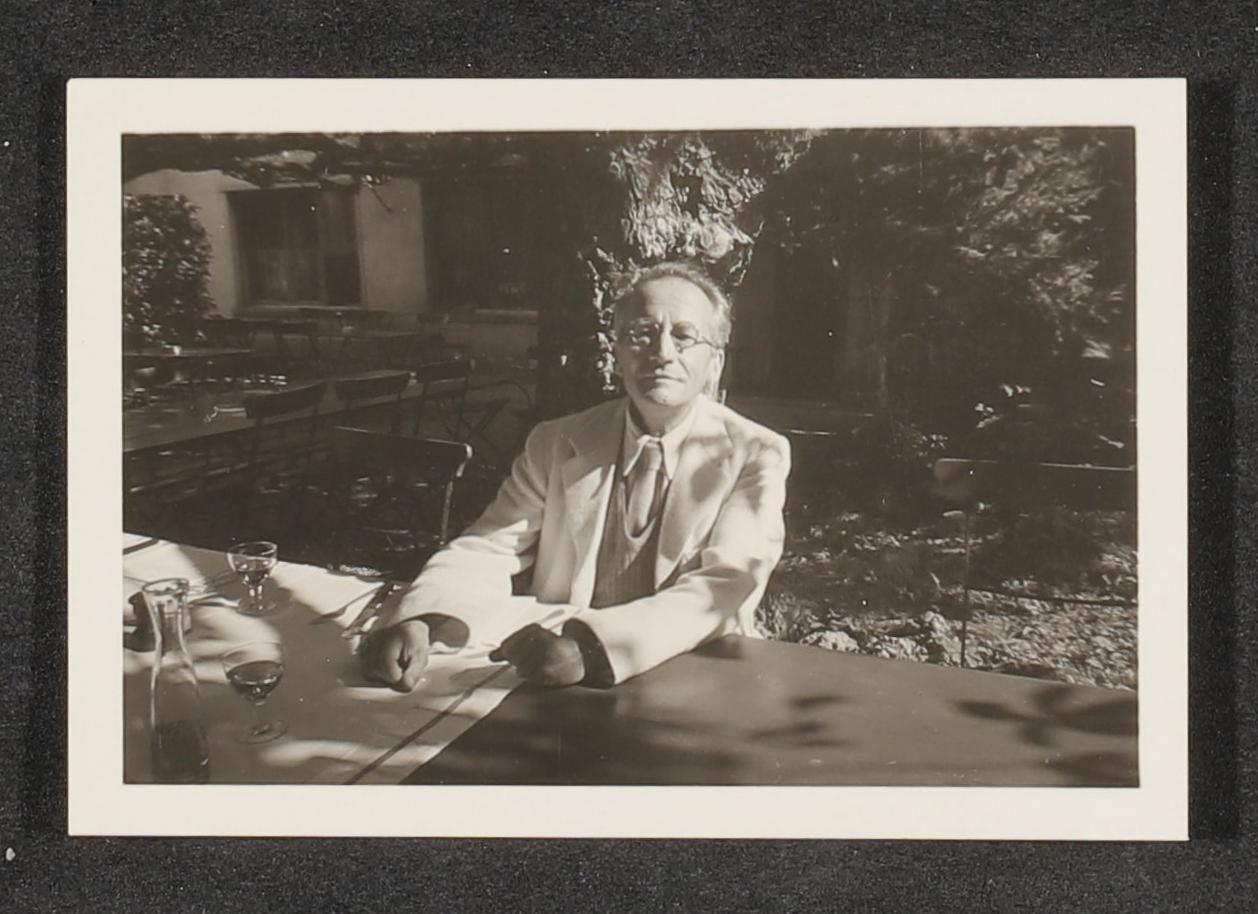
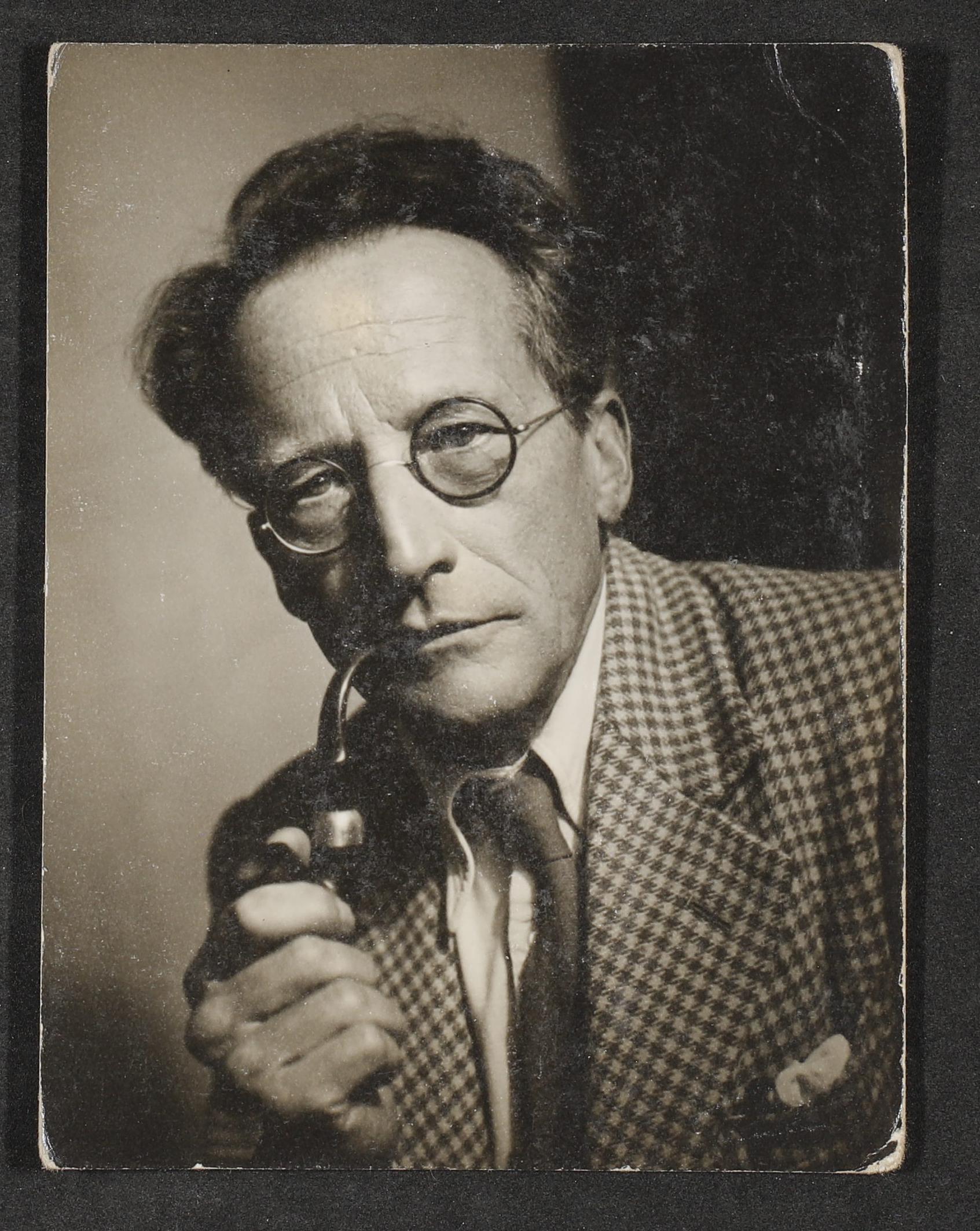
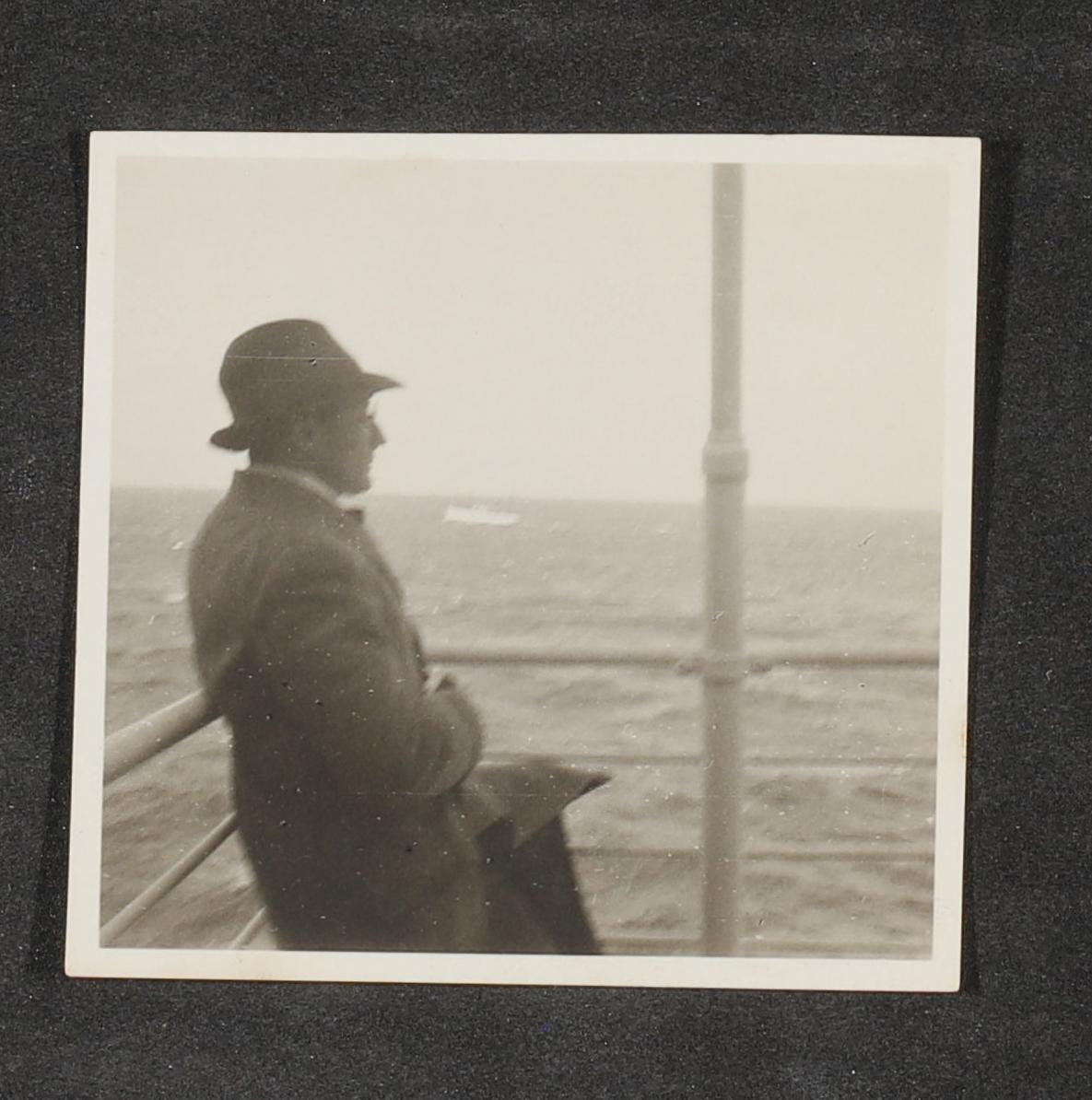
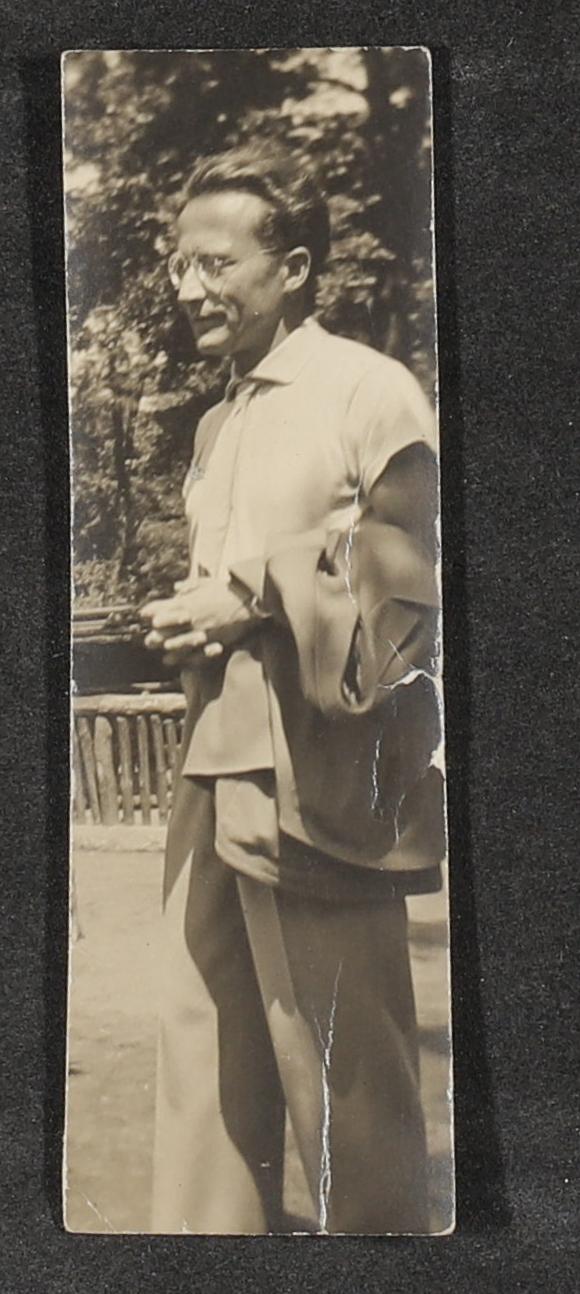
Artifacts (15)

More from the Postwar


Explore what happened on the days that shaped Erwin Schrödinger's life. Today In History connects historical figures with the events, births, and deaths that defined their era. Browse all historical figures or explore today's events.