

Historical Figure
Che Guevara
1928–1967
Argentine revolutionary (1928–1967)
Talk to Che Guevara
Have a conversation with this historical figure through AI
Biography
Ernesto "Che" Guevara de la Serna was an Argentine Marxist revolutionary, physician, author, guerrilla leader, diplomat, politician and military theorist. A major figure of the Cuban Revolution, his stylized visage has become a countercultural symbol of rebellion and global insignia in popular culture.
Timeline
The story of Che Guevara, told in moments.
Born Ernesto Guevara in Rosario, Argentina. Upper-middle-class family. He has severe asthma from age two. His mother teaches him to play chess and read French.
Takes a motorcycle trip across South America with his friend Alberto Granado. He's a 23-year-old medical student. In leper colonies, copper mines, and indigenous villages, he sees a continent of poverty held in place by American corporations and local oligarchs. He comes back radicalized.
Meets Fidel and Raul Castro in Mexico City. They're planning to overthrow Batista in Cuba. Guevara signs on as the group's doctor. He's Argentine. He has no connection to Cuba. He joins anyway.
Batista flees Cuba on New Year's Day. Guevara's guerrilla column took Santa Clara, the decisive battle. He becomes a Cuban citizen by birth decree, runs the national bank, oversees agrarian reform, and signs execution orders at La Cabana fortress. The revolution's doctor becomes its executioner.
Alberto Korda photographs him at a memorial rally in Havana. Black beret, star, long hair, distant stare. The image is called Guerrillero Heroico. It doesn't circulate widely until after his death. Then it becomes the most reproduced photograph in history.
Vanishes from public life. He writes a farewell letter to Castro, renounces his Cuban citizenship, and goes to the Congo to start a revolution. It fails badly. He moves to Bolivia.
Captured by CIA-trained Bolivian forces near La Higuera. Shot the next day in a schoolhouse. He's 39. His last words to the soldier who pulls the trigger: "I know you've come to kill me. Shoot, coward. You are only going to kill a man."
In Their Own Words (20)
Real revolutionaries adorn themselves on the inside, not on the surface.
As quoted in Che Guevara: A Revolutionary Life (2010) by John Lee Anderson, p. 178, 2010
In order to know about the illnesses of society, you have to know what men are suffering from, how they suffer.
As quoted in Testimonies About Che (2006) by Marta Rojas, p. 85, 2006
We cannot be sure of having something to live for unless we are willing to die for it.
As quoted in Wise Guys : Brilliant Thoughts and Big Talk from Real Men (2005) by Allan Zullo, p. 36, 2005
I knew that the moment the great governing spirit strikes the blow to divide all humanity into just two opposing factions, I would be on the side of the common people.
As quoted in Becoming Che : Guevara's Second and Final Trip through Latin America (2005) by Carlos "Calica" Ferrer, as translated by Sarah L. Smith (2006), p. 170, 2005
I don't think you and I are very closely related, however, if you are capable of trembling with indignation each time that an injustice is committed anywhere in the world, we are comrades, and that is more important.
Letter to María Rosario Guevara, 20 February 1964. Quoted in Guerrillas in Power: The Course of the Cuban Revolution (1971) by K. S. Karol, 1971
Artifacts (15)

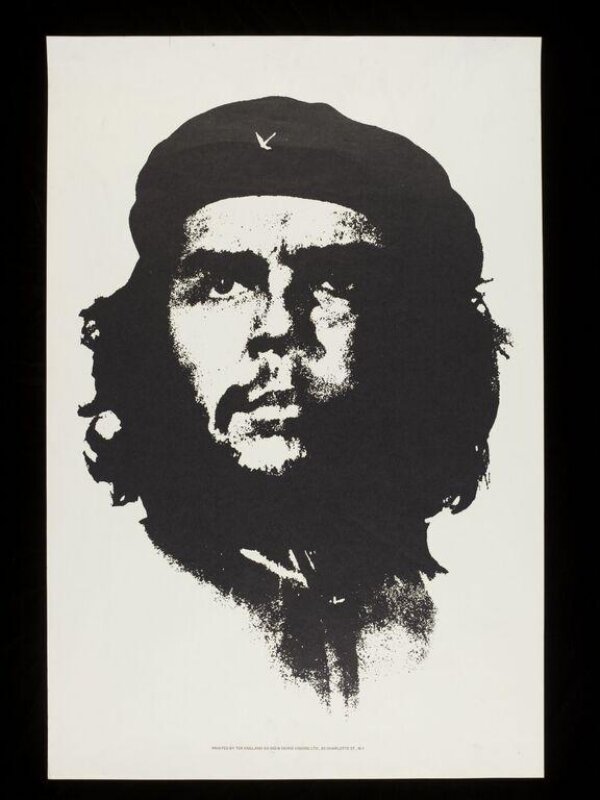
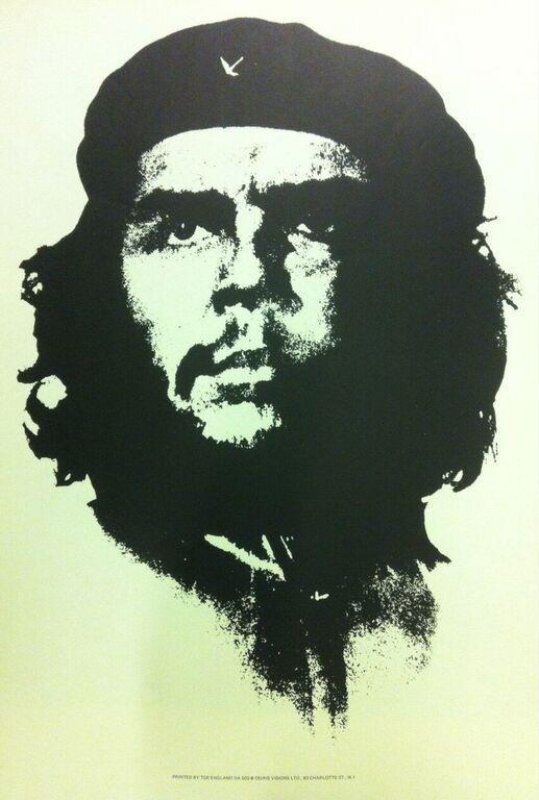
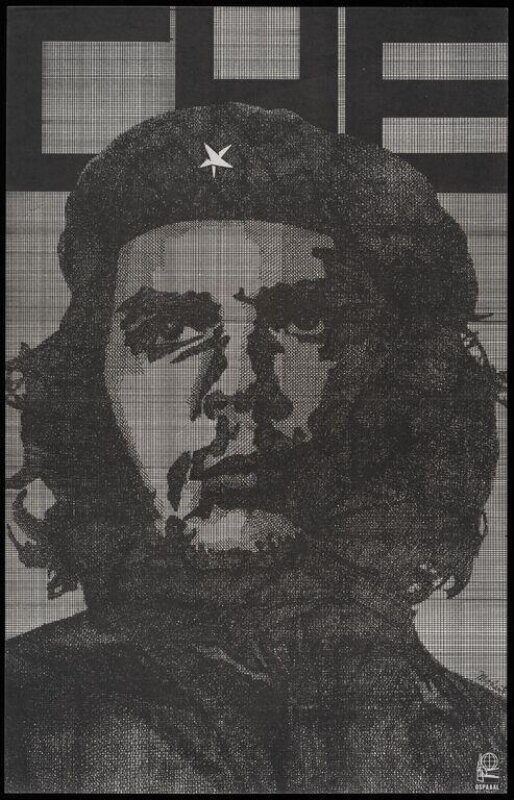
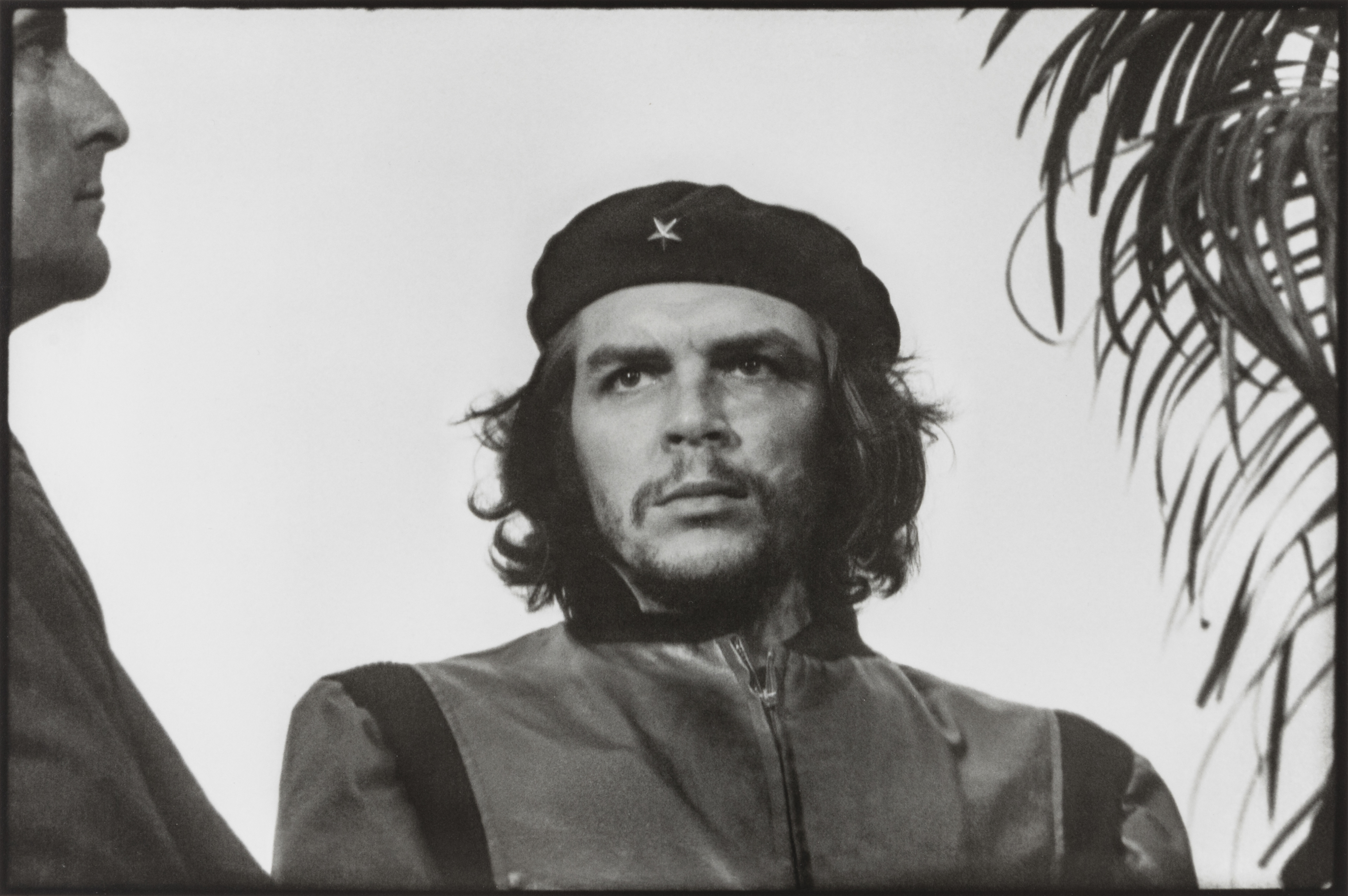
Heroico1
Alberto Diaz Gutierrez (Alberto Korda)
More from the Modern


Explore what happened on the days that shaped Che Guevara's life. Today In History connects historical figures with the events, births, and deaths that defined their era. Browse all historical figures or explore today's events.