

Historical Figure
Arthur Wellesley
d. 1852
British Army officer and statesman (1769–1852)
Talk to Arthur Wellesley
Have a conversation with this historical figure through AI
Biography
Field Marshal Arthur Wellesley, 1st Duke of Wellington was a British Army officer and statesman who was one of the leading military and political figures in Britain during the early 19th century, twice serving as Prime Minister. He was one of the British commanders who ended the Anglo-Mysore wars by defeating Tipu Sultan in 1799, and among those who ended the Napoleonic Wars in a Coalition victory when the Seventh Coalition defeated Napoleon at the Battle of Waterloo in 1815.
Timeline
The story of Arthur Wellesley, told in moments.
Born Arthur Wesley in Dublin to an aristocratic Anglo-Irish family. His mother considered him the family dunce. Sent to military school almost as an afterthought.
Defeated Napoleon at the Battle of Waterloo in Belgium. The fighting lasted just one day. Wellington later said: "It has been a damned nice thing. The nearest run thing you ever saw in your life."
Became Prime Minister. Pushed through Catholic emancipation in 1829, angering his own Tory supporters. A mob smashed the windows of his London home. He responded by installing iron shutters. Earned the nickname "Iron Duke."
Died at Walmer Castle at 83. His state funeral drew 1.5 million mourners to the streets of London. He was buried in St Paul's Cathedral next to Lord Nelson.
In Their Own Words (20)
Uxbridge: By God, sir, I've lost my leg! Wellington: By God, sir, so you have!
Exchange said to have occurred at the Battle of Waterloo (18 June 1815), after Lord Uxbridge lost his leg to a cannonball; as quoted in Oxford Dictionary of National Biography (2004), 2004
During the Peninsula War, I heard a Portuguese general address his troops before a battle with the words, "Remember men, you are Portuguese!"
Wellington's reply when asked, late in his life, what was the most inane remark he had ever heard, as quoted in Journals of Alec Guinness (February 1998) by Alec Guinness, 1998
If you believe that you will believe anything.
In reply to a man who greeted him in the street with the words "Mr. Jones, I believe?", as quoted in Wellington — The Years of the Sword (1969) by Elizabeth Longford., 1969
I should have given more praise.
As quoted in A History of Warfare (1968) by Bernard Montgomery, 1st Viscount Montgomery of Alamein: "Sir Winston Churchill once told me of a reply made by the Duke of Wellington, in his last years, when a friend asked him: "If you had your life over again, is there any way in which you could have done better?" The old Duke replied: "Yes, I should have given more praise.", 1968
We always have been, we are, and I hope that we always shall be, detested in France.
As quoted in Wellington and His Friends (1965) by Gerald Wellesley, 7th Duke of Wellington, p. 138, and in The Economist (16 June 2005), 1965
Artifacts (15)

Portrait of Arthur Wellesley, Duke of Wellington (4673879)
Unknown authorUnknown author

Portrait of Arthur Wellesley, Duke of Wellington (4673880)
Unknown authorUnknown author


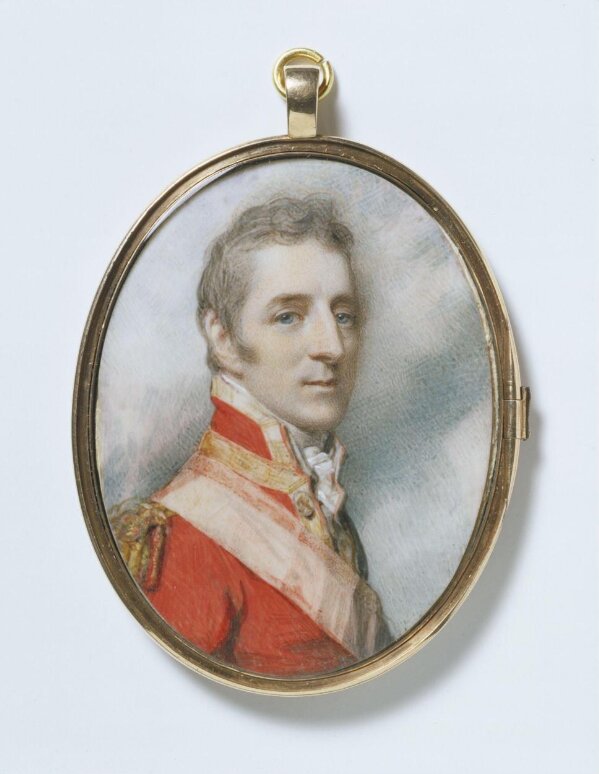


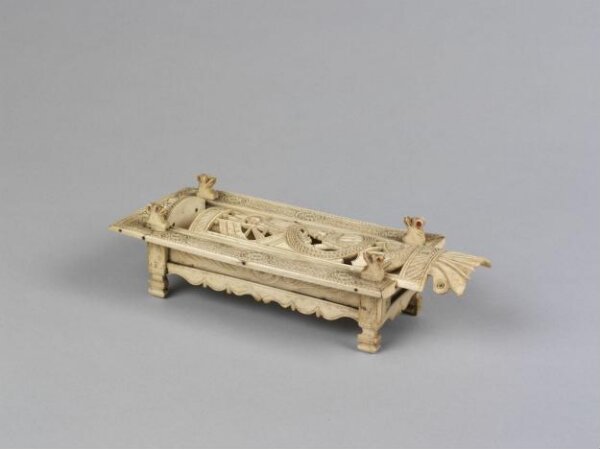
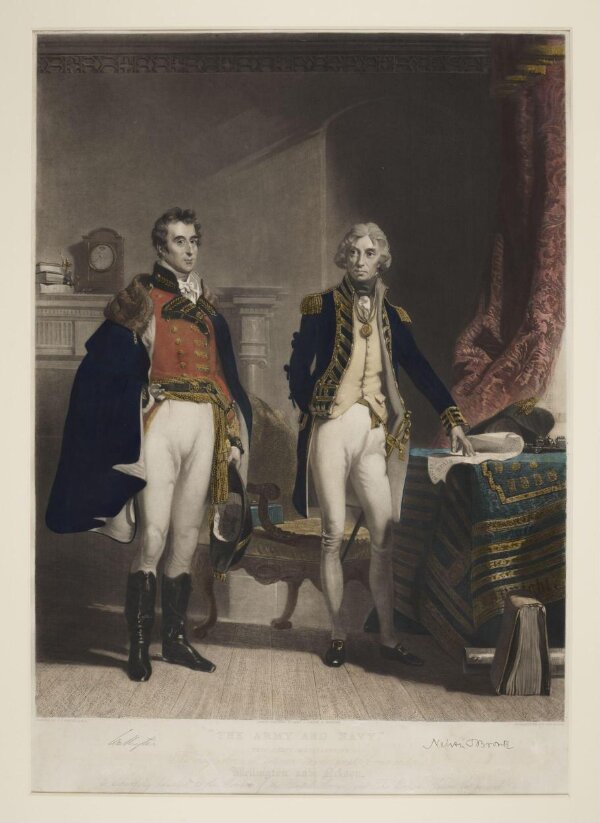
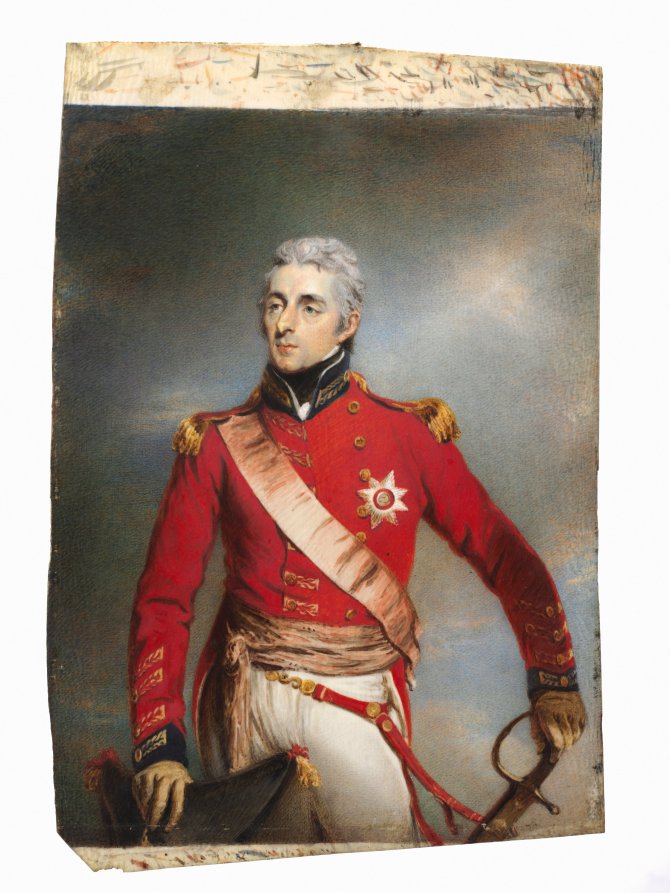
Portrait of Arthur Wellesley, later 1st Duke of Wellington
John Wright (British, 1745–1820)

Arthur Wellesley, Duke of Wellington (1769–1852)
Carlo Amatucci

Related Historical Figures


Explore what happened on the days that shaped Arthur Wellesley's life. Today In History connects historical figures with the events, births, and deaths that defined their era. Browse all historical figures or explore today's events.