

Sadat Visits Israel: First Arab Leader Crosses the Line
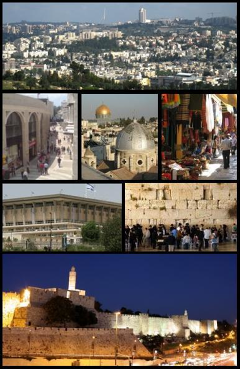
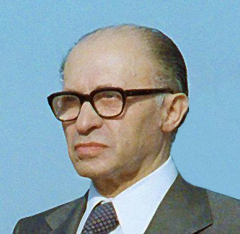
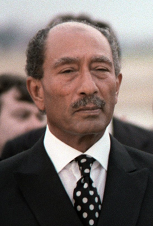
Egyptian President Anwar Sadat stepped off his aircraft at Ben Gurion Airport in Tel Aviv and shook hands with Israeli Prime Minister Menachem Begin, becoming the first Arab head of state to officially visit Israel. The visit shattered three decades of Arab diplomatic orthodoxy that held any recognition of Israel to be an act of betrayal, and it launched a peace process that would reshape the Middle East. The announcement had stunned the world just ten days earlier. Speaking to the Egyptian parliament on November 9, Sadat declared he was willing to travel "to the end of the world" for peace, even to the Israeli Knesset itself. Begin, initially skeptical that the offer was genuine, issued a formal invitation through American intermediaries. Most of the Arab world reacted with fury. Syria, Iraq, Libya, and the PLO condemned Sadat as a traitor. Sadat's motivations were both strategic and economic. Egypt had fought four wars with Israel in thirty years, and the 1973 Yom Kippur War, though initially successful, had ended in military stalemate. The Egyptian economy was buckling under the weight of military spending. Sadat calculated that peace with Israel was the only way to recover the Sinai Peninsula, occupied since 1967, and redirect resources toward domestic development. The 44-hour visit was loaded with symbolism. Sadat laid a wreath at the Yad Vashem Holocaust memorial. He prayed at the Al-Aqsa Mosque in Jerusalem. His address to the Knesset on November 20 was broadcast live across the Arab world and watched by an estimated 150 million viewers. He spoke in Arabic, telling the Israeli parliament that Egypt accepted Israel's right to exist but demanding full withdrawal from occupied territories and a homeland for the Palestinians. The visit led directly to the Camp David Accords in September 1978, brokered by President Jimmy Carter, and a formal peace treaty signed in March 1979. Sadat and Begin shared the 1978 Nobel Peace Prize.
November 19, 1977
49 years ago
Key Figures & Places
What Else Happened on November 19
Pope Urban VIII consecrated the current Saint Peter’s Basilica, finalizing a construction project that spanned over a century and involved masters like Michelan…
Ricimer didn't want the throne. He wanted something better — the man sitting on it. When Libius Severus was declared Western Roman Emperor in 461, Ricimer, the …
Arab forces shattered the Sassanian army at the Battle of Qadisiya, ending Persian control over Mesopotamia. This victory dismantled the Sassanian defense of th…
Urban II didn't command kings. He commanded crowds. At Clermont, he preached to thousands gathered in an open field — the church couldn't hold them — and report…
Christopher Columbus went ashore on an island he named San Juan Bautista on November 19, 1493, during his second voyage to the Americas, claiming it for the Spa…

A prisoner who had spent decades in French royal dungeons died in the Bastille in Paris, his face concealed behind a mask of black velvet, his identity one of t…
Talk to History
Have a conversation with historical figures who witnessed this era. Ask questions, explore perspectives, and bring history to life.