Columbus Lands on San Juan: Spanish Colonization Begins
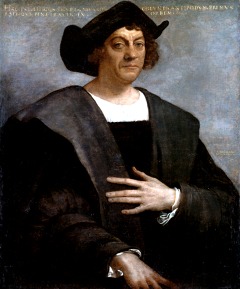
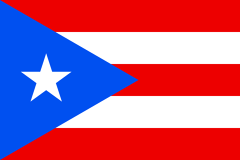
Christopher Columbus went ashore on an island he named San Juan Bautista on November 19, 1493, during his second voyage to the Americas, claiming it for the Spanish Crown. The island, later renamed Puerto Rico, meaning "rich port," after the harbor at its capital, became a strategic Caribbean stronghold for Spain. Columbus's fleet of seventeen ships had departed Cadiz in September with over twelve hundred colonists, soldiers, and clergy, tasked with establishing permanent settlements in the territories he had discovered on his first voyage. The stopover at San Juan Bautista was brief, lasting only two days, but it initiated over four centuries of Spanish control. The Taino people who inhabited the island numbered between thirty thousand and seventy thousand at the time of contact. Within fifty years, their population had been devastated by forced labor, disease, and violence. The Spanish established San Juan as a fortified port city, building the massive El Morro and San Cristobal fortresses that still dominate the harbor. Puerto Rico became the gateway through which European colonization spread across the Caribbean and into Central and South America, serving as a supply station, military base, and trading hub. The island remained under Spanish control until the Spanish-American War of 1898, when the United States invaded and Spain ceded Puerto Rico in the Treaty of Paris. Puerto Rico became a U.S. territory and its residents were granted American citizenship in 1917, though they cannot vote in presidential elections and have no voting representation in Congress. The island's political status remains contested, with periodic referendums producing no definitive resolution.
November 19, 1493
533 years ago
What Else Happened on November 19
Pope Urban VIII consecrated the current Saint Peter’s Basilica, finalizing a construction project that spanned over a century and involved masters like Michelan…
Ricimer didn't want the throne. He wanted something better — the man sitting on it. When Libius Severus was declared Western Roman Emperor in 461, Ricimer, the …
Arab forces shattered the Sassanian army at the Battle of Qadisiya, ending Persian control over Mesopotamia. This victory dismantled the Sassanian defense of th…
Urban II didn't command kings. He commanded crowds. At Clermont, he preached to thousands gathered in an open field — the church couldn't hold them — and report…
A prisoner who had spent decades in French royal dungeons died in the Bastille in Paris, his face concealed behind a mask of black velvet, his identity one of t…
John Jay negotiated a deal so unpopular that people burned him in effigy — his own countrymen. The treaty settled debts, secured British withdrawal from northwe…
Talk to History
Have a conversation with historical figures who witnessed this era. Ask questions, explore perspectives, and bring history to life.