Masked Prisoner Dies: The Bastille Mystery Deepens
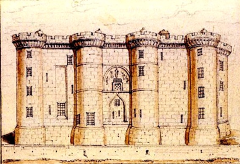
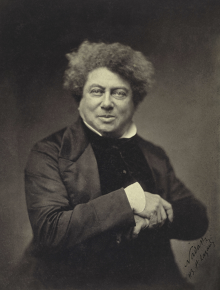
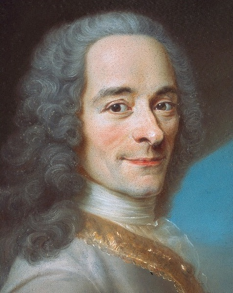
A prisoner who had spent decades in French royal dungeons died in the Bastille in Paris, his face concealed behind a mask of black velvet, his identity one of the most tantalizing mysteries in European history. No one who encountered him was permitted to speak to him. His jailers treated him with unusual deference, providing comfortable quarters and fine linens. When he died, his cell was stripped bare, its walls scraped and whitewashed, his personal effects destroyed. The masked prisoner had been in custody since at least 1669, held at the fortress of Pignerol under the care of Benigne Dauvergne de Saint-Mars, a jailer who guarded him with obsessive secrecy for the next 34 years. When Saint-Mars was transferred between prisons, the prisoner moved with him, passing through the island fortress of Sainte-Marguerite before arriving at the Bastille in 1698. Prison records identify him only as "Marchioly," though this name is now considered a deliberate misdirection. The mystery exploded into public consciousness after Voltaire published accounts in the 1750s claiming the prisoner was the twin brother of Louis XIV, hidden away because his existence threatened the legitimacy of the throne. Alexandre Dumas elaborated this theory in his 1847 novel The Man in the Iron Mask, upgrading the velvet covering to iron and creating one of literature's most enduring adventure stories. Historians have proposed dozens of candidates. The most widely accepted modern theory identifies the prisoner as Eustache Dauger, a valet who may have been imprisoned because he possessed dangerous knowledge about financial or political dealings involving Louis XIV's government. The exact nature of that knowledge remains unknown. Other theories have suggested an Italian diplomat, Count Ercole Antonio Mattioli, who double-crossed Louis XIV in a territorial negotiation, or various illegitimate sons of prominent figures.
November 19, 1703
323 years ago
Key Figures & Places
What Else Happened on November 19
Pope Urban VIII consecrated the current Saint Peter’s Basilica, finalizing a construction project that spanned over a century and involved masters like Michelan…
Ricimer didn't want the throne. He wanted something better — the man sitting on it. When Libius Severus was declared Western Roman Emperor in 461, Ricimer, the …
Arab forces shattered the Sassanian army at the Battle of Qadisiya, ending Persian control over Mesopotamia. This victory dismantled the Sassanian defense of th…
Urban II didn't command kings. He commanded crowds. At Clermont, he preached to thousands gathered in an open field — the church couldn't hold them — and report…
Christopher Columbus went ashore on an island he named San Juan Bautista on November 19, 1493, during his second voyage to the Americas, claiming it for the Spa…
John Jay negotiated a deal so unpopular that people burned him in effigy — his own countrymen. The treaty settled debts, secured British withdrawal from northwe…
Talk to History
Have a conversation with historical figures who witnessed this era. Ask questions, explore perspectives, and bring history to life.