Cornwallis Surrenders at Yorktown: Revolution Won
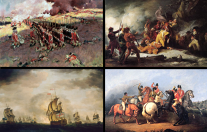
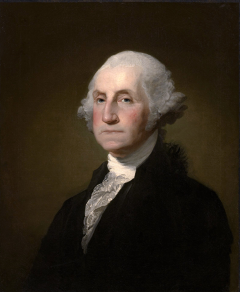
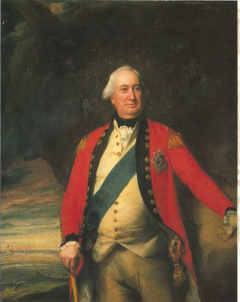
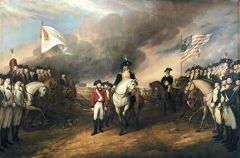
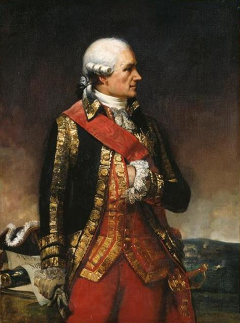
General Charles Cornwallis did not attend his own surrender. On October 19, 1781, claiming illness, the British commander sent his deputy, Brigadier General Charles O'Hara, to hand over his sword at Yorktown, Virginia. O'Hara first offered it to the French commander Rochambeau, who redirected him to George Washington. Washington, insisting on protocol, directed O'Hara to his own deputy, General Benjamin Lincoln. The choreography of humiliation was complete, and the war that had seemed unwinnable for the Americans was effectively over. The formal ceremony followed two days of negotiations after Cornwallis had proposed terms on October 17. Approximately 8,000 British and Hessian soldiers marched out of their battered fortifications between two lines of American and French troops, laying down their weapons in a field while military bands played. American troops, many of them in threadbare uniforms and some barefoot, watched their professional counterparts in the world's most powerful army file past in defeat. The siege that forced the surrender had been a masterpiece of allied coordination. Washington and Rochambeau had marched their combined armies from New York in a daring gamble, racing south before the British high command in New York realized they were heading for Virginia rather than attacking the city. French Admiral de Grasse's fleet, fresh from defeating a British naval force at the Battle of the Chesapeake on September 5, sealed the trap by cutting off Cornwallis from escape or reinforcement by sea. The combined siege force of 17,000 troops systematically reduced British fortifications through three weeks of bombardment and infantry assaults. News of the surrender took weeks to reach London. When Prime Minister Lord North heard it, he reportedly paced the room exclaiming, "Oh God, it is all over!" He was essentially right. Though the war did not formally end until the Treaty of Paris in September 1783, Yorktown destroyed Parliament's appetite for continuing the fight. The surrender of an entire British army — the second such loss after Saratoga — made the cost of retaining the colonies politically unsustainable.
October 19, 1781
245 years ago
Key Figures & Places
What Else Happened on October 19
Hannibal Barca, the Carthaginian general who had terrorized Rome for fifteen years, met his match at Zama in 202 BC when a younger Roman commander named Scipio …
King Gaiseric led his Vandal forces into Carthage, seizing the city without a fight after years of relentless pressure on Roman North Africa. By capturing this …
King John succumbed to dysentery at Newark-on-Trent, ending a disastrous reign defined by the loss of French territories and the forced signing of the Magna Car…
Heidelberg University held its first lecture on October 18, 1386. The Elector Palatine founded it after a theological dispute got his scholars expelled from Par…
French forces recaptured Bordeaux on October 19, 1453, and the Hundred Years' War — which had actually lasted 116 years — finally ground to a close. England ret…
Bordeaux surrendered to French forces on this day, ending the Hundred Years' War. By losing its final foothold in Aquitaine, England retreated from the continen…
Talk to History
Have a conversation with historical figures who witnessed this era. Ask questions, explore perspectives, and bring history to life.