Scipio Defeats Hannibal at Zama: Rome Rises
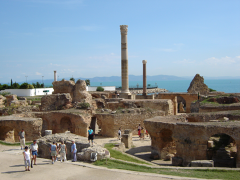
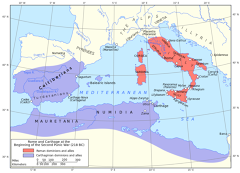
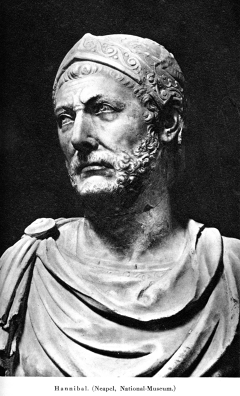
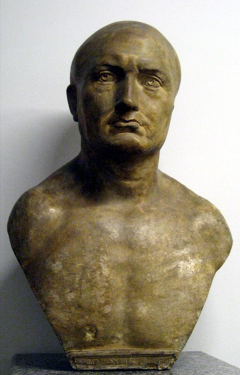
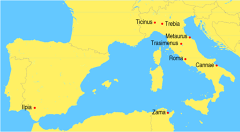
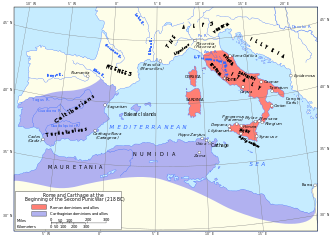
Hannibal Barca, the Carthaginian general who had terrorized Rome for fifteen years, met his match at Zama in 202 BC when a younger Roman commander named Scipio Africanus defeated him in the decisive battle of the Second Punic War. The victory at Zama ended Carthage's status as a Mediterranean superpower and confirmed Rome's dominance over the Western world — a supremacy that would endure for six centuries. Hannibal had invaded Italy in 218 BC by famously crossing the Alps with war elephants, then spent sixteen years ravaging the Italian peninsula, winning devastating victories at Trebia, Lake Trasimene, and Cannae, where he annihilated a Roman army of 80,000 in a double envelopment that military strategists still study today. Rome refused to surrender, adopting a strategy of attrition that avoided pitched battles with Hannibal while attacking Carthaginian territory elsewhere. Scipio was the Roman who broke the stalemate. Rather than confront Hannibal in Italy, he invaded North Africa in 204 BC, threatening Carthage directly and forcing the Carthaginian senate to recall Hannibal from Italy. The two generals — both considered among the finest military minds of the ancient world — finally met at Zama, roughly 120 miles southwest of Carthage. Hannibal deployed 80 war elephants in his front line, but Scipio had prepared his legions to open gaps in their formation, allowing the elephants to charge harmlessly through. Roman cavalry, reinforced by Numidian allies, swept Hannibal's horsemen from the field and then struck the Carthaginian infantry from behind. Carthage was forced to accept punishing peace terms: the surrender of its war fleet, payment of an enormous indemnity over fifty years, and the loss of all territory outside Africa. Hannibal survived and briefly served as a Carthaginian political leader before Roman pressure forced him into exile; he eventually committed suicide rather than fall into Roman hands. Zama ranks among the most consequential battles in ancient history — Rome's trajectory from regional Italian power to master of the Mediterranean was secured on that North African plain.
October 19, 202 BC
Key Figures & Places
What Else Happened on October 19
King Gaiseric led his Vandal forces into Carthage, seizing the city without a fight after years of relentless pressure on Roman North Africa. By capturing this …
King John succumbed to dysentery at Newark-on-Trent, ending a disastrous reign defined by the loss of French territories and the forced signing of the Magna Car…
Heidelberg University held its first lecture on October 18, 1386. The Elector Palatine founded it after a theological dispute got his scholars expelled from Par…
French forces recaptured Bordeaux on October 19, 1453, and the Hundred Years' War — which had actually lasted 116 years — finally ground to a close. England ret…
Bordeaux surrendered to French forces on this day, ending the Hundred Years' War. By losing its final foothold in Aquitaine, England retreated from the continen…
The Second Treaty of Thorn ended the Thirteen Years' War, compelling the Teutonic Order to cede West Prussia to the Polish Crown. This territorial shift severed…
Talk to History
Have a conversation with historical figures who witnessed this era. Ask questions, explore perspectives, and bring history to life.