

Champlain Founds Quebec City: France Plants Its Capital in America
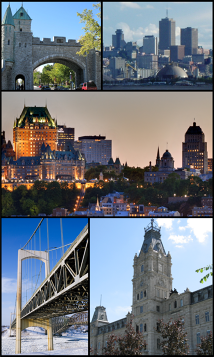
Samuel de Champlain arrived with twenty-eight men to build a fur trading post where the St. Lawrence River narrowed. By spring, twenty were dead—scurvy, dysentery, cold. The eight survivors huddled in three wooden buildings they'd named Québec, from the Algonquin word for "where the river narrows." Champlain had picked the spot for defense: 330-foot cliffs made it nearly impossible to attack from water. That death rate—71 percent in one winter—became the foundation of France's North American empire, the only permanent French settlement that lasted.
July 3, 1608
418 years ago
Key Figures & Places


What Else Happened on July 3
Constantine I crushed the forces of his co-emperor Licinius at the Battle of Adrianople, forcing his rival to retreat behind the walls of Byzantium. This decisi…
In der Schlacht am Mons Seleucus besiegt der oströmische Herrscher Constantius II. den weströmischen Usurpator Magnentius.
ouverture du deuxième concile d'Orange.

Hugh Capet's coronation in 987 established the Capetian dynasty, which maintained an unbroken line of rule over France for eight centuries until the French Revo…
Eight years old. That's how young William was when his father died on pilgrimage and left him a duchy crawling with assassins. Three of his guardians were murde…
Dominikus, der Gründer des Dominikanerordens, wird durch Papst Gregor IX. heiliggesprochen.
Talk to History
Have a conversation with historical figures who witnessed this era. Ask questions, explore perspectives, and bring history to life.