Louis IX Captured: Crusade Ends in Defeat
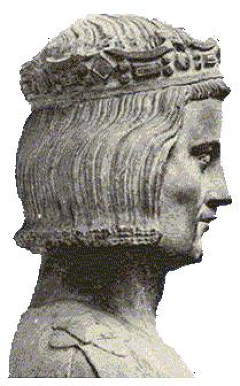
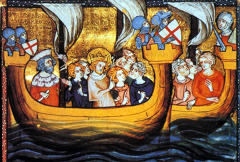
Mamluk forces captured King Louis IX of France at the Battle of Fariskur on April 6, 1250, delivering a humiliating blow to the Seventh Crusade and forcing France's monarch to ransom himself for a staggering sum. Louis had launched the crusade in 1248, sailing from France with approximately 15,000 troops and landing in Egypt with the strategic goal of capturing Cairo and using it as leverage to recover Jerusalem. The campaign began promisingly with the capture of Damietta in June 1249, but the advance up the Nile stalled. The French army reached the fortified town of Mansourah in February 1250, where Louis's brother Robert of Artois led a reckless cavalry charge into the town and was killed along with most of the vanguard. The main French army was then surrounded and cut off from its supply lines. Disease, particularly dysentery, swept through the camp. Louis himself was so ill he could barely stand. He ordered a retreat toward Damietta, but the Mamluk cavalry, under the command of Baibars, intercepted and destroyed the retreating column at Fariskur. Louis was captured along with much of his surviving army. The ransom demanded was 400,000 livres, an enormous sum equivalent to approximately one year's revenue of the French crown. Louis negotiated the terms personally while in captivity, maintaining his dignity and earning the respect of his captors. He spent four years in the Levant after his release, fortifying Crusader positions and negotiating the release of remaining prisoners. The defeat demonstrated that Crusader armies operating deep inside Egypt were vulnerable to the disciplined Mamluk military, and it confirmed the Mamluks as the dominant military power in the Eastern Mediterranean.
July 3, 1250
776 years ago
What Else Happened on July 3
Constantine I crushed the forces of his co-emperor Licinius at the Battle of Adrianople, forcing his rival to retreat behind the walls of Byzantium. This decisi…
French nobles elected Hugh Capet king on July 3, 987, choosing a man they expected to be weak, controllable, and temporary. The Carolingian dynasty that had rul…
Eight years old. That's how young William was when his father died on pilgrimage and left him a duchy crawling with assassins. Three of his guardians were murde…
Diego de Almagro departed Cuzco with hundreds of Spanish soldiers and thousands of indigenous allies, aiming to claim the lands south of the Inca Empire for the…
Samuel de Champlain selected a spot where the St. Lawrence River narrowed to less than a mile and began constructing a fortified trading post on July 3, 1608. T…
George Washington surrendered Fort Necessity to French forces and their Native American allies after a grueling day-long battle in the rain. This defeat forced …
Talk to History
Have a conversation with historical figures who witnessed this era. Ask questions, explore perspectives, and bring history to life.