Chernobyl Reactor 4 Explodes: Nuclear Disaster Unleashed
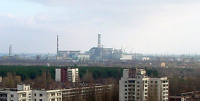
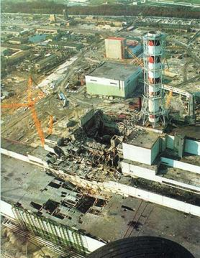
Reactor No. 4 at the Chernobyl Nuclear Power Plant exploded at 1:23 AM on April 26, 1986, during a safety test that went catastrophically wrong, releasing more radioactive material than the Hiroshima and Nagasaki bombs combined. The explosion and subsequent fire sent a plume of radioactive fallout across much of the western Soviet Union and Europe, contaminating an area of approximately 150,000 square kilometers and forcing the permanent evacuation of more than 350,000 people. Chernobyl remains the worst nuclear accident in history. The safety test was designed to determine whether the reactor's turbines could generate enough electricity during a power outage to keep coolant pumps running until emergency diesel generators came online. Operators had disabled multiple safety systems to conduct the test, violating protocols that existed precisely to prevent the kind of scenario that unfolded. When power dropped unexpectedly low, operators attempted to increase it by withdrawing too many control rods, creating an unstable condition. A sudden power surge caused a steam explosion that blew the 1,000-ton reactor lid off the building, followed by a second explosion that exposed the reactor core to the atmosphere. The initial Soviet response was denial. Local authorities were not informed for hours. The nearby city of Pripyat, home to 49,000 people, most of them plant workers and their families, was not evacuated until 36 hours after the explosion. Moscow acknowledged the accident only after Swedish monitoring stations detected elevated radiation levels and demanded an explanation. The first firefighters sent to the burning reactor worked without protective equipment and received fatal radiation doses. Twenty-eight emergency workers died of acute radiation syndrome within months. The long-term health and environmental consequences are still being measured. The World Health Organization estimates approximately 4,000 eventual cancer deaths attributable to the accident, though some studies place the figure much higher. A 2,600-square-kilometer exclusion zone around the plant remains largely uninhabited, though wildlife has paradoxically flourished in the absence of human activity. Chernobyl accelerated the collapse of the Soviet Union by exposing the incompetence and dishonesty of the regime, and it fundamentally altered global attitudes toward nuclear energy, stalling construction of new plants for a generation.
April 26, 1986
40 years ago
Key Figures & Places
What Else Happened on April 26
He climbed 6,000 feet of rock just to read his own letters in the wind. Petrarch didn't come for the view; he came because he felt trapped inside a stone tower.…
A fresco of the Virgin Mary and the Christ Child reportedly materialized on the wall of a half-finished church in Genazzano, Italy. This event transformed the s…
Giuliano's heart stopped under a chalice, his blood soaking the altar steps while Lorenzo ran for his life. The Pazzi conspirators thought they'd toppled Floren…
Assassins struck during High Mass in Florence's cathedral on April 26, 1478, stabbing Giuliano de' Medici to death and wounding his brother Lorenzo in a conspir…
The parish register of Holy Trinity Church in Stratford-upon-Avon records the baptism of "Gulielmus filius Johannes Shakspere" on April 26, 1564, three days aft…
English colonists made their first landfall in Virginia at Cape Henry on April 26, 1607, planting a cross on the sandy shore before proceeding up the James Rive…
Talk to History
Have a conversation with historical figures who witnessed this era. Ask questions, explore perspectives, and bring history to life.