Pazzi Conspiracy Strikes: Assassination in Florence's Cathedral
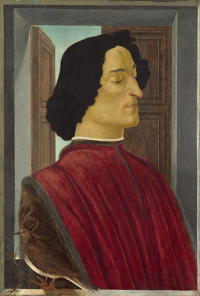
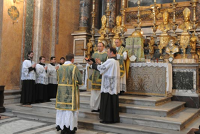
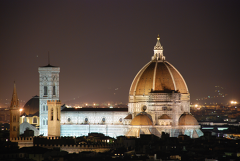
Assassins struck during High Mass in Florence's cathedral on April 26, 1478, stabbing Giuliano de' Medici to death and wounding his brother Lorenzo in a conspiracy that aimed to overthrow the Medici family's control of the Florentine Republic. The attack was orchestrated by the Pazzi family, a rival banking dynasty, with the active support of Pope Sixtus IV and his nephew, Cardinal Girolamo Riario. The plot's failure transformed Lorenzo from a prominent citizen into the undisputed ruler of Florence and triggered a diplomatic crisis that reshaped Italian politics for a generation. The conspirators chose the cathedral deliberately, timing the attack to the moment during the Eucharist when worshippers bowed their heads, providing cover for the assassins to draw their weapons. Giuliano, 25 years old, was stabbed nineteen times and died on the cathedral floor. Lorenzo, wounded in the neck, fought his way to the sacristy with the help of friends who barricaded the heavy bronze doors. The signal for the attack was the ringing of the cathedral bells, which was also supposed to coordinate the seizure of the Palazzo della Signoria. That part of the plan failed completely. Lorenzo's response was swift and savage. The people of Florence, loyal to the Medici, turned on the conspirators. Archbishop Francesco Salviati, who had bungled the seizure of the government palace, was hanged in his vestments from a window of the Palazzo della Signoria alongside several Pazzi family members. Jacopo de' Pazzi, the family patriarch, was captured, tortured, and thrown from a window before being dragged through the streets. Over eighty people connected to the conspiracy were killed in the following days, some by mob violence, others by summary execution. Pope Sixtus IV, furious at the killing of his archbishop and the exposure of his role in the conspiracy, excommunicated Lorenzo and placed Florence under interdict. He then convinced King Ferrante of Naples to declare war on the republic. Lorenzo's response was one of the most audacious diplomatic gambits of the Renaissance: he traveled alone to Naples in December 1479 and negotiated a peace directly with Ferrante over three months, returning to Florence as a hero. The Pazzi Conspiracy, intended to destroy the Medici, instead consolidated their power more completely than anything Lorenzo could have achieved on his own.
April 26, 1478
548 years ago
Key Figures & Places

What Else Happened on April 26
He climbed 6,000 feet of rock just to read his own letters in the wind. Petrarch didn't come for the view; he came because he felt trapped inside a stone tower.…
A fresco of the Virgin Mary and the Christ Child reportedly materialized on the wall of a half-finished church in Genazzano, Italy. This event transformed the s…
Giuliano's heart stopped under a chalice, his blood soaking the altar steps while Lorenzo ran for his life. The Pazzi conspirators thought they'd toppled Floren…
The parish register of Holy Trinity Church in Stratford-upon-Avon records the baptism of "Gulielmus filius Johannes Shakspere" on April 26, 1564, three days aft…
English colonists made their first landfall in Virginia at Cape Henry on April 26, 1607, planting a cross on the sandy shore before proceeding up the James Rive…
Over half the city vanished in minutes. Thousands perished under crumbling adobe walls while survivors scavenged rubble for days without water or medicine. Yet,…
Talk to History
Have a conversation with historical figures who witnessed this era. Ask questions, explore perspectives, and bring history to life.