

Tanganyika and Zanzibar Merge: Tanzania Is Born
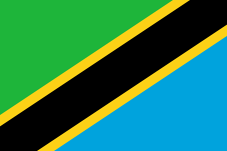
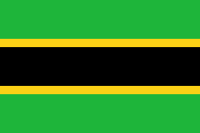
Tanganyika and Zanzibar united in 1964 to forge a single nation called Tanzania, creating one of Africa's most stable post-colonial states. This merger ended decades of colonial fragmentation and established a political framework that has withstood regional conflicts better than many neighboring countries.
April 26, 1964
62 years ago
Key Figures & Places



What Else Happened on April 26
Die Schlacht bei Megiddo findet statt; sie ist die vermutlich am ausführlichsten dargestellte kriegerische Auseinandersetzung im alten Ägypten.
Als Zugeständnis für die Wahl seines Sohnes Heinrich zum römisch-deutschen König erlässt Staufer-Kaiser Friedrich II. die Confoederatio cum principibus ecclesia…
consécration solennelle de la Sainte-Chapelle de Paris sous le règne du roi de France Louis IX le lendemain de son anniversaire (de naissance).
König Robert the Bruce eröffnet in Ayr das erste schottische Parlament.
Nachdem trotz eines Waffenstillstands zwischen Schottland und England im Schottischen Unabhängigkeitskrieg mehrere Schiffe von englischen Freibeutern gekapert w…
He climbed 6,000 feet of rock just to read his own letters in the wind. Petrarch didn't come for the view; he came because he felt trapped inside a stone tower.…
Talk to History
Have a conversation with historical figures who witnessed this era. Ask questions, explore perspectives, and bring history to life.