

Paul Revere's Ride: The British Are Coming
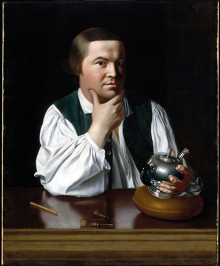
Joseph Warren dispatched Paul Revere and William Dawes to warn that British troops sailed across the Charles River to seize Adams and Hancock. Revere slipped past HMS Somerset, rode through Somerville and Medford shouting "The Regulars are coming out," and sparked a chain reaction of forty riders alerting Middlesex County militias before dawn. This coordinated warning enabled colonial forces to confront the regulars at Lexington and Concord, igniting the American Revolution.
April 18, 1775
251 years ago
Key Figures & Places
What Else Happened on April 18
Yazid I. wird nach dem Tod seines Vaters Muʿāwiya I. zweiter Kalif der Umayyaden. In weiten Teilen des Reiches wird er jedoch aus Opposition gegen die Erblichke…
Corbridge blood ran red before dawn in 796. King Æthelred I didn't die in battle; he was hacked down by his own ealdormen, Ealdred and Wada. The human cost? Pur…
en Gniezno (Polonia) Boleslao I es coronado rey.

A crown forged from stolen relics sat heavy on Bolesław's head in Gniezno, not just for him, but for his dead father. The Church had denied him a royal title fo…
comienzan las Cortes del Reino de León, las primeras de la historia en dar voz y voto a los tres estamentos de ese momento; el clero, la nobleza y el pueblo lla…
Die Berner können kampflos in Zofingen einziehen, was die Stellung der Habsburger gegenüber den Eidgenossen schwächt und den Grundstein für den Berner Aargau bi…
Talk to History
Have a conversation with historical figures who witnessed this era. Ask questions, explore perspectives, and bring history to life.