

St. Peter's Basilica Cornerstone Laid: Rome's Greatest Church Begins
April 18, 1506: Pope Julius II buried a heavy stone in the dirt while four thousand laborers sweated under Roman sun. They didn't know this single act would drain papal coffers for decades to fund Michelangelo's ceiling and Raphael's halls. The money vanished into marble dust, leaving families hungry while artists painted heaven on high walls. That debt later forced the sale of indulgences that lit a fire across Europe. We still stand in awe of the dome, but we should remember the empty pockets left behind.
April 18, 1506
520 years ago
Key Figures & Places
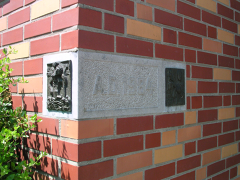
cornerstone
Wikipedia
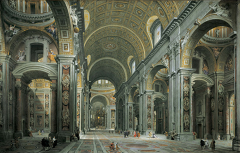
St. Peter's Basilica
Wikipedia

Cornerstone
Wikipedia
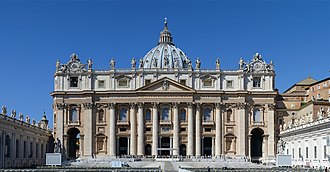
St. Peter's Basilica
Wikipedia

Rome
Wikipedia

Pope Julius II
Wikipedia

Primera piedra
Wikipedia

Pope Eusebius
Wikipedia

Pope
Wikipedia

2005 conclave
Wikipedia

Pope John Paul II
Wikipedia

Orleans
Wikipedia

cardinal
Wikipedia

Conclave
Wikipedia

Beatification
Wikipedia

Joan of Arc
Wikipedia

Pope Pius X
Wikipedia

Grundsteinlegung
Wikipedia

Louis IV, Holy Roman Emperor
Wikipedia

Avignon
Wikipedia

Pope John XXII
Wikipedia
Ketzer
Wikipedia

Pope Marcellus I
Wikipedia

List of popes
Wikipedia
What Else Happened on April 18
Yazid I. wird nach dem Tod seines Vaters Muʿāwiya I. zweiter Kalif der Umayyaden. In weiten Teilen des Reiches wird er jedoch aus Opposition gegen die Erblichke…
Corbridge blood ran red before dawn in 796. King Æthelred I didn't die in battle; he was hacked down by his own ealdormen, Ealdred and Wada. The human cost? Pur…
en Gniezno (Polonia) Boleslao I es coronado rey.

A crown forged from stolen relics sat heavy on Bolesław's head in Gniezno, not just for him, but for his dead father. The Church had denied him a royal title fo…
comienzan las Cortes del Reino de León, las primeras de la historia en dar voz y voto a los tres estamentos de ese momento; el clero, la nobleza y el pueblo lla…
Die Berner können kampflos in Zofingen einziehen, was die Stellung der Habsburger gegenüber den Eidgenossen schwächt und den Grundstein für den Berner Aargau bi…
Talk to History
Have a conversation with historical figures who witnessed this era. Ask questions, explore perspectives, and bring history to life.