

Peary and Henson Reach the North Pole: Or Did They?
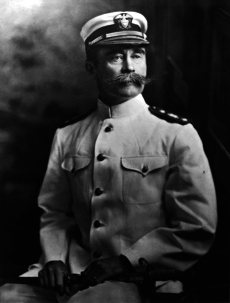
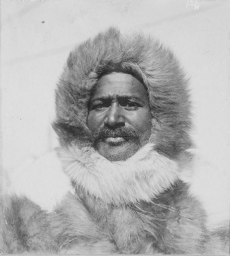
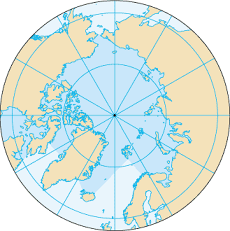
Robert Peary and Matthew Henson plant their flags at the top of the world, claiming the first verified human arrival at the North Pole. This feat shatters previous geographic limits and ignites a fierce international race for polar supremacy that reshapes global exploration strategies for decades.
April 6, 1909
117 years ago
Key Figures & Places
What Else Happened on April 6
se produce el eclipse solar más antiguo documentado por los griegos.
Caesar's veteran legions crushed the combined forces of Metellus Scipio and Cato the Younger at Thapsus in North Africa, routing the Republican army in a battle…
Stilicho forced a tactical stalemate against Alaric’s Visigoths at the Battle of Pollentia, halting their initial invasion of Italy. By capturing the Visigothic…

An arrow wound to his shoulder turned deadly not from the metal, but from a surgeon's clumsy knife slicing through infected tissue in Châlus-Chabrol. Richard I,…
en Egipto ―en el marco de la Séptima Cruzada―, los ayubíes capturan al rey francés Luis IX en la batalla de Fariskur.
Ayyubid forces routed the Crusader army and captured King Louis IX of France at the Battle of Fariskur, effectively destroying the Seventh Crusade. The French k…
Talk to History
Have a conversation with historical figures who witnessed this era. Ask questions, explore perspectives, and bring history to life.