

Black Hawk Crosses Mississippi: War Erupts Over Stolen Lands
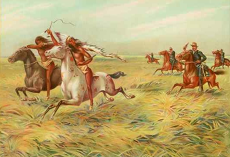
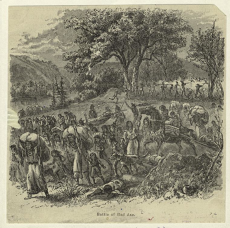
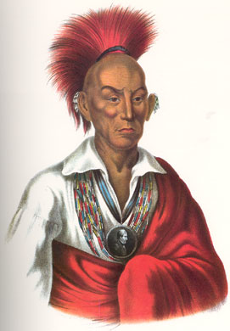
Black Hawk, a Sauk war leader, crossed the Mississippi River into Illinois in early April 1832 with roughly 1,500 people, including women, children, and elderly. He believed he would receive support from British agents in Canada and allied Native nations to reclaim lands that had been taken through the disputed Treaty of 1804, which the Sauk maintained had been signed by unauthorized representatives while drunk. The "British Band," as the group was called, was not primarily a military force. Most were families seeking to return to their ancestral village of Saukenuk at the confluence of the Rock and Mississippi Rivers. The treaty that provoked the conflict was a masterwork of colonial fraud. In 1804, William Henry Harrison, then governor of Indiana Territory, had negotiated the cession of 50 million acres of Sauk and Meskwaki land east of the Mississippi in exchange for annuities worth approximately $2,234 per year. The Sauk representatives who signed had no authority to cede tribal land, and some accounts suggest they were pressured or intoxicated. The treaty was never accepted by the broader Sauk nation, and Black Hawk in particular refused to recognize it for the rest of his life. The military response was overwhelming and clumsy. Illinois Governor John Reynolds called out the state militia, and federal troops under General Henry Atkinson moved to intercept Black Hawk's band. The initial engagement, the Battle of Stillman's Run, was an embarrassment for the Americans: Black Hawk's warriors routed a militia force of 275 men with a smaller force, sending the Illinois troops into panicked flight. The victory was pyrrhic. The defeat enraged the American public and ensured a massive military response. Black Hawk spent the summer retreating north through Wisconsin, his people dying of starvation and exhaustion. The war ended at the Battle of Bad Axe on August 1-2, 1832, where American forces and their Dakota allies attacked Black Hawk's band as they attempted to cross the Mississippi River. Soldiers fired on women and children in the water. An estimated 150 to 300 Sauk were killed. A young militia captain named Abraham Lincoln served in the war, though he later said the only blood he shed was to mosquitoes.
April 6, 1832
194 years ago
Key Figures & Places
What Else Happened on April 6

Julius Caesar's legions shattered the combined Republican forces at Thapsus in North Africa on April 6, 46 BC, in an engagement that devolved from battle into w…
Stilicho forced a tactical stalemate against Alaric’s Visigoths at the Battle of Pollentia, halting their initial invasion of Italy. By capturing the Visigothic…

Richard I of England, the warrior-king who had fought across three continents, died on April 6, 1199, from a gangrenous crossbow wound sustained while besieging…
Ayyubid Egyptian forces routed the French Crusader army and captured King Louis IX at the Battle of Fariskur, effectively destroying the Seventh Crusade in a si…
They burned their own king to keep him safe from the English crown. In 1320, Scottish nobles signed this letter at Arbroath Abbey, explicitly telling Pope John …
Petrarch first glimpsed Laura in the church of Saint Clare in Avignon, sparking a lifelong obsession that fueled his sonnets. This encounter transformed the ver…
Talk to History
Have a conversation with historical figures who witnessed this era. Ask questions, explore perspectives, and bring history to life.