

NYC Breaks Ground: The Subway Era Begins Underground
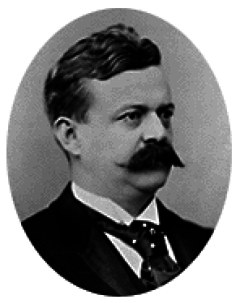
Groundbreaking for New York's subway required dynamite, immigrant labor, and a mayor holding a silver Tiffany shovel. On March 24, 1900, Mayor Robert Van Wyck broke ground for the Interborough Rapid Transit system on the east side of City Hall, beginning construction of the 9.1-mile underground railway that would transform how New Yorkers lived, worked, and commuted. New York's streets were already a transportation crisis. Horse-drawn streetcars, elevated railways, and more than 150,000 horses created daily gridlock in a city that had grown from 1.5 million to 3.4 million people in just 20 years. August Belmont Jr., the financier who won the construction contract, promised a system that would move passengers from City Hall to Harlem in 15 minutes, a journey that took over an hour by surface transit. Construction devoured four years and nearly 8,000 workers, most of them Italian and Irish immigrants digging with picks and shovels through Manhattan's bedrock. The "cut and cover" method ripped open streets, diverted sewer lines, and demolished building foundations. Seventeen workers died during construction. When the system opened on October 27, 1904, it carried 350,000 riders on its first day, with a flat fare of five cents. The nickel fare democratized the city. Workers who had been forced to live in crowded Lower Manhattan tenements near their jobs could now commute from the Bronx and upper Manhattan. Real estate values along subway routes exploded, and the city's population geography shifted permanently. New York's subway system now carries over 3.5 million riders daily on 472 stations across 245 miles of track, and Van Wyck's silver shovel sits in the New York Transit Museum.
March 24, 1900
126 years ago
Key Figures & Places
Brooklyn
Wikipedia
New York City
Wikipedia
Manhattan
Wikipedia

Mayor
Wikipedia
Robert Anderson Van Wyck
Wikipedia

New York City Subway
Wikipedia
Brooklyn, New York
Wikipedia

Mayor of New York City
Wikipedia

Robert Anderson Van Wyck
Wikipedia

New York City Subway
Wikipedia
Manhattan
Wikipedia

Brooklyn
Wikipedia

Interborough Rapid Transit Company
Wikipedia
What Else Happened on March 24
The crossbow bolt hit Richard the Lionheart in the shoulder during a siege of a minor French castle over a disputed treasure hoard. The wound wasn't fatal. But …

An English fleet caught the invasion force before it could reach the coast. On March 24, 1387, ships commanded by the Earls of Arundel and Nottingham intercepte…
Timur’s forces systematically dismantled Damascus, burning the Umayyad Mosque and deporting the city’s skilled artisans to his capital in Samarkand. This brutal…

Tokugawa Ieyasu had waited a lifetime for this. On March 24, 1603, the Emperor Go-Yozei formally appointed him shogun, establishing the Tokugawa shogunate that …
James VI of Scotland ascended the English throne following the death of Elizabeth I, uniting the two crowns under a single monarch for the first time. This pers…
Elizabeth I died without naming her successor, but everyone knew. Robert Carey rode 400 miles from London to Edinburgh in just three days—the fastest anyone had…
Talk to History
Have a conversation with historical figures who witnessed this era. Ask questions, explore perspectives, and bring history to life.