

English Fleet Crushes Invasion Force at Margate
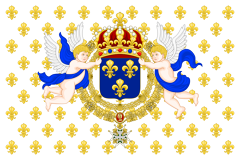
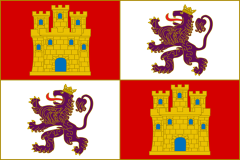
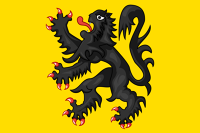
An English fleet caught the invasion force before it could reach the coast. On March 24, 1387, ships commanded by the Earls of Arundel and Nottingham intercepted and destroyed a combined Franco-Castilian-Flemish fleet off Margate in the English Channel. The victory eliminated the most serious threat of a foreign invasion that England had faced since the Norman Conquest of 1066, and it would not face another until the Spanish Armada two centuries later. England in the 1380s was vulnerable. Richard II was a teenager, the kingdom was still reeling from the Peasants' Revolt of 1381, and France had been probing English coastal defenses with increasing aggression. Charles VI of France assembled a massive invasion fleet at Sluys, the same Flemish port where Edward III had won a decisive naval victory in 1340. French plans called for landing troops on the English coast and linking up with Scottish allies in a two-front war. Richard Fitzalan, Earl of Arundel, sailed from the Thames with a fleet of English warships and caught the enemy force near the North Foreland. The battle was decisive: English archers and men-at-arms boarded the enemy vessels in close combat, capturing or sinking the majority of the fleet. Contemporary chronicles report over 100 enemy ships taken, along with large quantities of wine, armor, and supplies intended for the invasion. The Battle of Margate secured England's southern coast for a generation and strengthened the Lords Appellant, the noble faction that included Arundel, in their power struggle against Richard II's court favorites. Arundel's military success made him one of the most powerful men in England, a position that Richard II would later remember and punish when he arrested and executed Arundel in 1397.
March 24, 1387
639 years ago
Key Figures & Places

What Else Happened on March 24
The crossbow bolt hit Richard the Lionheart in the shoulder during a siege of a minor French castle over a disputed treasure hoard. The wound wasn't fatal. But …
Timur’s forces systematically dismantled Damascus, burning the Umayyad Mosque and deporting the city’s skilled artisans to his capital in Samarkand. This brutal…

Tokugawa Ieyasu had waited a lifetime for this. On March 24, 1603, the Emperor Go-Yozei formally appointed him shogun, establishing the Tokugawa shogunate that …
James VI of Scotland ascended the English throne following the death of Elizabeth I, uniting the two crowns under a single monarch for the first time. This pers…
Elizabeth I died without naming her successor, but everyone knew. Robert Carey rode 400 miles from London to Edinburgh in just three days—the fastest anyone had…
Charles II was so broke after reclaiming his throne that he couldn't pay back the eight men who'd bankrolled his restoration. So he gave them America instead. T…
Talk to History
Have a conversation with historical figures who witnessed this era. Ask questions, explore perspectives, and bring history to life.