Tokugawa Seizes Shogunate: Japan Enters 250 Years of Peace
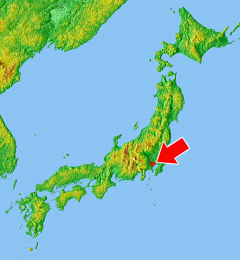
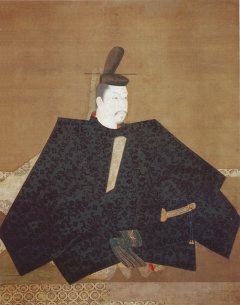
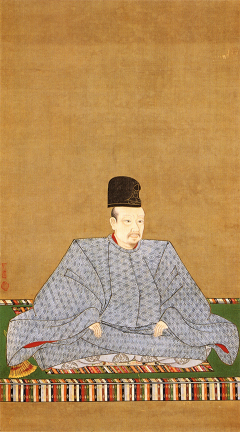
Tokugawa Ieyasu had waited a lifetime for this. On March 24, 1603, the Emperor Go-Yozei formally appointed him shogun, establishing the Tokugawa shogunate that would govern Japan for 265 years. Ieyasu was 60 years old, and he had spent four decades navigating Japan's brutal civil wars through a combination of patience, strategic marriages, and a willingness to wait while rivals destroyed each other. Japan had been tearing itself apart since the Onin War of 1467. Three great unifiers attempted to reassemble the country: Oda Nobunaga conquered through military brilliance before being assassinated by a subordinate in 1582. Toyotomi Hideyoshi completed the unification through diplomatic skill and military force but died in 1598 without a capable adult heir. Ieyasu, who had been Hideyoshi's most powerful ally and rival, defeated the remaining opposition at the Battle of Sekigahara in 1600, the largest samurai battle in Japanese history, where approximately 160,000 warriors fought. As shogun, Ieyasu moved the seat of power to Edo, modern-day Tokyo, and constructed a system designed to prevent any rival clan from accumulating enough power to challenge him. The sankin-kotai system required feudal lords to spend alternating years in Edo, keeping their families as permanent hostages. Foreign trade was progressively restricted, and Christianity was banned entirely. Within decades, Japan was effectively sealed off from the outside world. The peace that resulted was extraordinary. For over two centuries, Japan experienced virtually no warfare, allowing urban culture, commerce, and the arts to flourish in ways impossible during the preceding century of civil war. When American warships finally forced Japan open in 1853, the Tokugawa system proved unable to adapt, but the stable society it had created provided the foundation for Japan's rapid modernization.
March 24, 1603
423 years ago
Key Figures & Places

What Else Happened on March 24
The crossbow bolt hit Richard the Lionheart in the shoulder during a siege of a minor French castle over a disputed treasure hoard. The wound wasn't fatal. But …
An English fleet caught the invasion force before it could reach the coast. On March 24, 1387, ships commanded by the Earls of Arundel and Nottingham intercepte…
Timur’s forces systematically dismantled Damascus, burning the Umayyad Mosque and deporting the city’s skilled artisans to his capital in Samarkand. This brutal…
James VI of Scotland ascended the English throne following the death of Elizabeth I, uniting the two crowns under a single monarch for the first time. This pers…
Elizabeth I died without naming her successor, but everyone knew. Robert Carey rode 400 miles from London to Edinburgh in just three days—the fastest anyone had…
Charles II was so broke after reclaiming his throne that he couldn't pay back the eight men who'd bankrolled his restoration. So he gave them America instead. T…
Talk to History
Have a conversation with historical figures who witnessed this era. Ask questions, explore perspectives, and bring history to life.