Koch Identifies TB: A Medical Milestone Achieved
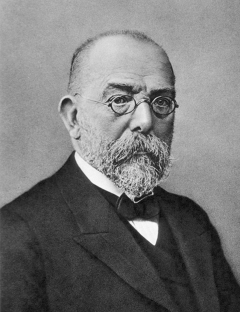
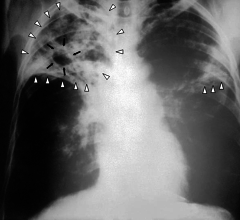
Robert Koch stood before the Berlin Physiological Society on March 24, 1882, and announced that he had isolated the bacterium that caused tuberculosis, a disease that was killing one in seven people in Europe. The audience sat in stunned silence. TB had been humanity's deadliest infectious disease for centuries, and Koch had just proved it was caused by a single, identifiable microorganism called Mycobacterium tuberculosis. Koch's discovery required inventing new methods to find it. The tuberculosis bacillus was notoriously difficult to see under a microscope and nearly impossible to grow in a laboratory. Koch developed a staining technique using alkaline methylene blue that made the rod-shaped bacteria visible for the first time, then cultivated them on blood serum solidified with agar, growing colonies over weeks rather than the days typical of other bacteria. He then injected the cultured bacteria into guinea pigs and produced the disease, fulfilling the logical chain of evidence that would become known as Koch's postulates. The postulates themselves were Koch's methodological revolution: to prove a microorganism causes a disease, it must be found in every case of the disease, isolated and grown in pure culture, produce the disease when introduced into a healthy host, and then be re-isolated from that host. This framework gave infectious disease research a rigorous standard that replaced centuries of speculation about miasmas and bad air. Koch received the Nobel Prize in Physiology or Medicine in 1905. His tuberculosis discovery is now commemorated annually on March 24 as World Tuberculosis Day. TB still kills over a million people yearly, making it the single deadliest bacterial infection on Earth, a reminder that identifying an enemy and defeating it are very different achievements.
March 24, 1882
144 years ago
Key Figures & Places
What Else Happened on March 24
The crossbow bolt hit Richard the Lionheart in the shoulder during a siege of a minor French castle over a disputed treasure hoard. The wound wasn't fatal. But …
An English fleet caught the invasion force before it could reach the coast. On March 24, 1387, ships commanded by the Earls of Arundel and Nottingham intercepte…
Timur’s forces systematically dismantled Damascus, burning the Umayyad Mosque and deporting the city’s skilled artisans to his capital in Samarkand. This brutal…
Tokugawa Ieyasu had waited a lifetime for this. On March 24, 1603, the Emperor Go-Yozei formally appointed him shogun, establishing the Tokugawa shogunate that …
James VI of Scotland ascended the English throne following the death of Elizabeth I, uniting the two crowns under a single monarch for the first time. This pers…
Elizabeth I died without naming her successor, but everyone knew. Robert Carey rode 400 miles from London to Edinburgh in just three days—the fastest anyone had…
Talk to History
Have a conversation with historical figures who witnessed this era. Ask questions, explore perspectives, and bring history to life.