Nutcracker Premieres: Ballet Becomes Holiday Tradition
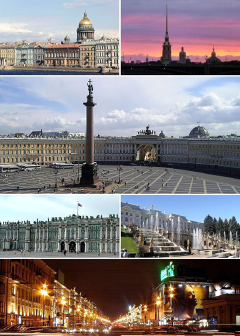
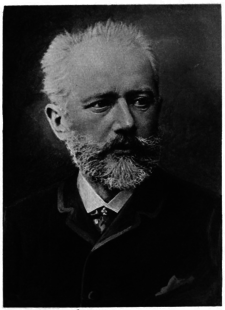
Critics savaged it, audiences were lukewarm, and the choreographer called it a failure. On December 18, 1892, The Nutcracker premiered at the Mariinsky Theatre in Saint Petersburg with music by Pyotr Ilyich Tchaikovsky and choreography by Lev Ivanov. The ballet that would become the most performed and commercially important work in the classical repertoire was dismissed at birth. Tchaikovsky was ambivalent about the project. Commissioned by the director of the Imperial Theatres, the ballet was based on Alexandre Dumas's adaptation of E.T.A. Hoffmann's dark fairy tale "The Nutcracker and the Mouse King." Tchaikovsky found the story thin and the staging requirements frustrating. He composed the score while grieving his sister Alexandra, and musicologists hear that sorrow in the music's darker passages. The premiere received mixed reviews. Critics praised the score but found the choreography uninspired and the second act dramatically static. Child performers in leading roles limited technical complexity. Tchaikovsky's score, now considered a supreme achievement of ballet music, drew the most consistent praise, particularly the innovative celesta in the "Dance of the Sugar Plum Fairy." The Nutcracker remained a modest fixture of the Russian repertoire for decades. Its transformation happened in America. George Balanchine's 1954 production for the New York City Ballet reimagined the staging with lavish sets and a grand party scene, turning it into a holiday spectacle. American companies discovered that annual Nutcracker performances generated enough revenue to fund the rest of the season. Today The Nutcracker accounts for roughly forty percent of annual ticket revenue for many American ballet companies. Tchaikovsky did not live to see its triumph, dying less than eleven months after the premiere.
December 18, 1892
134 years ago
Key Figures & Places

What Else Happened on December 18
Hannibal had just crossed the Alps with elephants. Now he needed Rome to bleed. The Trebia River ran cold that December morning. Hannibal sent cavalry to provo…
King Alfonso I of Aragon seized Zaragoza from the Almoravid dynasty, ending centuries of Islamic rule in the Ebro Valley. This conquest transformed his kingdom …
A Mongol emperor gave his dynasty a Chinese name and claimed the Mandate of Heaven. On December 18, 1271, Kublai Khan proclaimed the Yuan Dynasty, renaming his …
Moorish residents of the Alpujarras mountains rose in armed revolt against the Castilian Crown, directly challenging the systematic forced conversions imposed b…
After sixty-six days at sea, 102 passengers who had staked everything on religious freedom stepped onto a frozen shore with almost nothing. On December 18, 1620…
The Kingdom of Kongo fielded 400,000 warriors. Portugal brought 12,000 soldiers and superior firearms. Kongo's ruler, Álvaro III, had converted to Catholicism d…
Talk to History
Have a conversation with historical figures who witnessed this era. Ask questions, explore perspectives, and bring history to life.