

Mayflower Lands at Plymouth: The Pilgrims Arrive
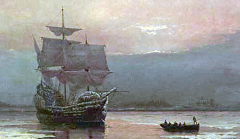
The Mayflower's crew and passengers signed the Mayflower Compact to establish a rudimentary form of democracy before even stepping ashore, creating a self-governing framework that would shape American political culture. This agreement emerged because the settlers realized they lacked a patent for the New England region, driving them to unite under a shared social contract rather than English law.
December 18, 1620
406 years ago
Key Figures & Places

What Else Happened on December 18
en el río Trebia, cerca de Piacenza (Italia) ―en el marco de la segunda guerra púnica―, las tropas cartaginesas de Aníbal derrotan al ejército romano en la bata…

Hannibal had just crossed the Alps with elephants. Now he needed Rome to bleed. The Trebia River ran cold that December morning. Hannibal sent cavalry to provo…
King Alfonso I of Aragon seized Zaragoza from the Almoravid dynasty, ending centuries of Islamic rule in the Ebro Valley. This conquest transformed his kingdom …

Kublai Khan declared the new name Yuan, transforming a Mongol conquest into a recognized Chinese dynasty that integrated traditional imperial bureaucracy with s…
en Italia un terremoto destruye la ciudad de Potenza.
In der Bulle Licet dudum legt Papst Clemens V. fest, dass die Privilegien des verbotenen Templerordens auf den Orden vom Hospital des Heiligen Johannes zu Jerus…
Talk to History
Have a conversation with historical figures who witnessed this era. Ask questions, explore perspectives, and bring history to life.