U-2 Photos Reveal Soviet Missiles in Cuba
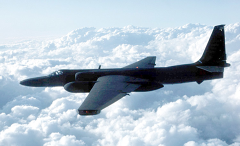
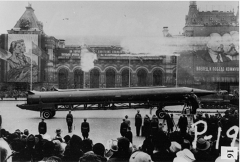
Major Richard Heyser flew his U-2 reconnaissance aircraft over western Cuba on the morning of October 14, 1962, and his camera captured 928 photographs that brought the world closer to nuclear annihilation than it had ever been. The images showed Soviet SS-4 medium-range ballistic missile sites under construction near San Cristóbal, capable of striking Washington, D.C., and most major American cities with nuclear warheads within minutes of launch. American intelligence had been tracking a Soviet military buildup in Cuba for months, but a five-week gap in U-2 overflights — caused by diplomatic caution after a U-2 was shot down over China and concerns about provoking an incident — had left analysts blind to the most dangerous development. The pause, known as the "Photo Gap," allowed Soviet technicians to make significant progress on the missile installations without detection. When Heyser's film was developed and analyzed by photo interpreters at the National Photographic Interpretation Center on October 15, the implications were immediately clear. President John F. Kennedy was informed on the morning of October 16, and the Cuban Missile Crisis — the most perilous thirteen days of the Cold War — began. Kennedy assembled a secret advisory group called the Executive Committee (ExComm), which debated responses ranging from diplomatic protest to full-scale invasion of Cuba. The Joint Chiefs of Staff unanimously recommended airstrikes, but Kennedy chose a naval quarantine of Cuba while pursuing back-channel negotiations with Soviet Premier Nikita Khrushchev. The crisis ended on October 28, when Khrushchev agreed to withdraw the missiles in exchange for a public American pledge not to invade Cuba and a secret agreement to remove U.S. Jupiter missiles from Turkey. Heyser's photographs had exposed a Soviet gamble that, if undetected for a few more weeks, might have presented the United States with a fait accompli — operational nuclear missiles 90 miles from Florida. The crisis led directly to the installation of the Moscow-Washington hotline and the first serious arms control negotiations between the superpowers.
October 14, 1962
64 years ago
Key Figures & Places
What Else Happened on October 14
Pope Callixtus I was thrown down a well by a mob in Trastevere. He'd been pope for five years and had enemies — he'd allowed Christians who'd committed adultery…
William the Conqueror's army met King Harold's forces at Hastings on October 14th, 1066. Harold had just marched 250 miles from defeating Vikings in the north. …
An arrow struck King Harold II in the eye — or so the Bayeux Tapestry appears to show — and with his death on a Sussex hillside on October 14, 1066, an entire c…
Robert the Bruce routed Edward II's English army at Byland Abbey in Yorkshire on October 14, 1322, chasing the English king into a panicked flight that left his…
Radu cel Frumos — Radu the Handsome — issued a writ from Bucharest in 1465. It's the first official document mentioning Bucharest as a residence of a Wallachian…
October 5th was Thursday. October 15th was Friday. The ten days between didn't happen. Pope Gregory XIII's calendar reform deleted them to realign Easter with t…
Talk to History
Have a conversation with historical figures who witnessed this era. Ask questions, explore perspectives, and bring history to life.