Hastings: William Conquers England, Harold Falls
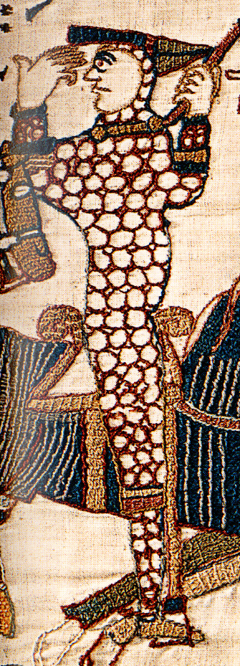
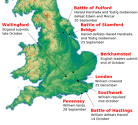
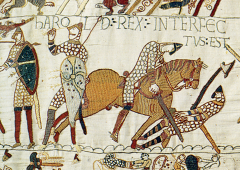
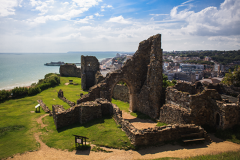
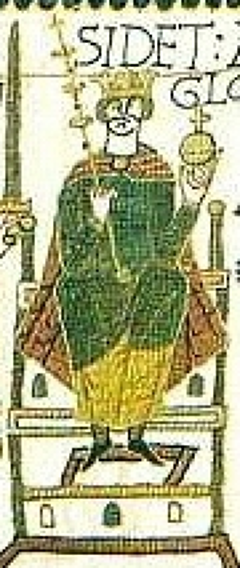
An arrow struck King Harold II in the eye — or so the Bayeux Tapestry appears to show — and with his death on a Sussex hillside on October 14, 1066, an entire civilization was replaced. The Battle of Hastings lasted roughly nine hours, but its consequences reshaped the English language, legal system, architecture, and class structure for the next thousand years. William, Duke of Normandy, had crossed the English Channel with approximately 7,000 men and several thousand horses, claiming the English throne based on an alleged promise from the previous king, Edward the Confessor. Harold had just force-marched his army 250 miles south from Stamford Bridge in Yorkshire, where he had defeated and killed the Norwegian king Harald Hardrada only nineteen days earlier. His exhausted troops took up a defensive position on Senlac Hill, about seven miles from Hastings. The English fought on foot behind a wall of shields, a formation that initially proved devastatingly effective against Norman cavalry charges. William's forces faltered multiple times, and at one point a rumor spread that the duke himself had been killed. William rode along his lines with his helmet raised to show his face, rallying his men. The Normans then employed a tactic — whether planned or accidental — of feigned retreats that drew English soldiers out of their shieldwall and into the open, where mounted knights cut them down. Harold's death, likely late in the afternoon, broke the English resistance. His brothers Gyrth and Leofwine had already fallen. The surviving English troops fled into the approaching darkness. William was crowned King of England on Christmas Day 1066, and the Norman Conquest began in earnest. French became the language of the court and ruling class, fundamentally altering English vocabulary. Norman castles rose across the countryside. The feudal system was imposed with ruthless efficiency. England before and after Hastings were essentially two different countries.
October 14, 1066
960 years ago
Key Figures & Places
What Else Happened on October 14
Pope Callixtus I was thrown down a well by a mob in Trastevere. He'd been pope for five years and had enemies — he'd allowed Christians who'd committed adultery…
William the Conqueror's army met King Harold's forces at Hastings on October 14th, 1066. Harold had just marched 250 miles from defeating Vikings in the north. …
Robert the Bruce routed Edward II's English army at Byland Abbey in Yorkshire on October 14, 1322, chasing the English king into a panicked flight that left his…
Radu cel Frumos — Radu the Handsome — issued a writ from Bucharest in 1465. It's the first official document mentioning Bucharest as a residence of a Wallachian…
October 5th was Thursday. October 15th was Friday. The ten days between didn't happen. Pope Gregory XIII's calendar reform deleted them to realign Easter with t…
Mary Queen of Scots stood trial in Fotheringhay Castle, accused of plotting to assassinate Elizabeth I and take the English throne. Mary had been Elizabeth's pr…
Talk to History
Have a conversation with historical figures who witnessed this era. Ask questions, explore perspectives, and bring history to life.