

Robert the Bruce Defeats Edward II at Byland: Scotland Wins Again
Robert the Bruce routed Edward II's army at Byland, nearly capturing the English king himself as he fled through the Yorkshire countryside. The humiliating defeat forced England to accept Scottish independence in practice, ending decades of attempts to subjugate Scotland by military force.
October 14, 1322
704 years ago
Key Figures & Places
Scotland
Wikipedia
England
Wikipedia
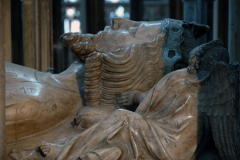
Edward II of England
Wikipedia
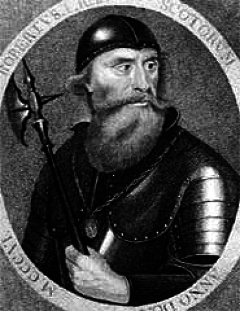
Robert the Bruce
Wikipedia
King Edward II
Wikipedia
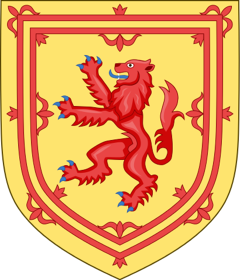
Battle of Old Byland
Wikipedia

Robert the Bruce
Wikipedia

his father the king
Wikipedia

Battle of Old Byland
Wikipedia

Yorkshire
Wikipedia

Wars of Scottish Independence
Wikipedia
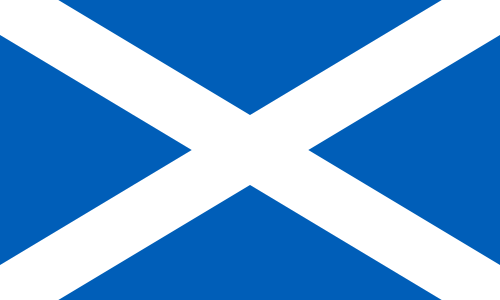
Scotland
Wikipedia

Unglück von Eyemouth
Wikipedia

Hurrikan
Wikipedia
What Else Happened on October 14
Pope Callixtus I was thrown down a well by a mob in Trastevere. He'd been pope for five years and had enemies — he'd allowed Christians who'd committed adultery…
William the Conqueror's army met King Harold's forces at Hastings on October 14th, 1066. Harold had just marched 250 miles from defeating Vikings in the north. …

William the Conqueror's Norman forces crush the English army at Senlac Hill, killing King Harold II and ending Anglo-Saxon rule. This decisive victory shatters …
Der Erzbischof von Köln, Siegfried von Westerburg, schließt mit den Grafen von Jülich den Pingsheimer Frieden, der die Einflusssphären der beiden Landesherren r…
en la península ibérica tiene lugar la conquista de Tarifa, en manos del Sultanato benimerín, por Sancho IV de Castilla, con ayuda de la Corona de Aragón, la Re…
Der Hochmeister des Deutschen Ordens, Heinrich von Plauen, wird auf einem Generalkapitel des Ordens zum Rücktritt gezwungen.
Talk to History
Have a conversation with historical figures who witnessed this era. Ask questions, explore perspectives, and bring history to life.