

US Declares War on Germany: World War I Gets Its Biggest Player
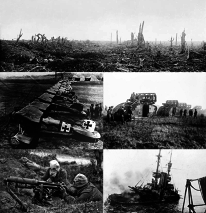
Sixty-two thousand men in the National Guard stood ready, yet Wilson asked Congress to vote for a war he'd called "impossible." It wasn't just about submarines; it was about whether democracy could survive a machine gun's roar without an army of its own. By midnight, the draft loomed over every father and son, turning farms into recruitment centers overnight. That decision didn't just send troops overseas; it forced a nation to choose between isolation and becoming the world's policeman.
April 6, 1917
109 years ago
Key Figures & Places

What Else Happened on April 6
se produce el eclipse solar más antiguo documentado por los griegos.
Caesar's veteran legions crushed the combined forces of Metellus Scipio and Cato the Younger at Thapsus in North Africa, routing the Republican army in a battle…
Stilicho forced a tactical stalemate against Alaric’s Visigoths at the Battle of Pollentia, halting their initial invasion of Italy. By capturing the Visigothic…

An arrow wound to his shoulder turned deadly not from the metal, but from a surgeon's clumsy knife slicing through infected tissue in Châlus-Chabrol. Richard I,…
en Egipto ―en el marco de la Séptima Cruzada―, los ayubíes capturan al rey francés Luis IX en la batalla de Fariskur.
Ayyubid forces routed the Crusader army and captured King Louis IX of France at the Battle of Fariskur, effectively destroying the Seventh Crusade. The French k…
Talk to History
Have a conversation with historical figures who witnessed this era. Ask questions, explore perspectives, and bring history to life.