

Historical Figure
William the Silent
1533–1584
Dutch statesman and revolt leader (1533–1584)
Talk to William the Silent
Have a conversation with this historical figure through AI
Biography
William the Silent or William the Taciturn, more commonly known in the Netherlands as William of Orange, was the leader of the Dutch revolt against the Spanish Habsburgs that set off the Eighty Years' War (1568–1648) and resulted in the formal independence of the United Provinces in 1648. Born into the House of Nassau, he became Prince of Orange in 1544 and is thereby the founder of the Orange-Nassau branch and the ancestor of the monarchy of the Netherlands. In the Netherlands, he is also known as Father of the Fatherland.
In Their Own Words (5)
They stormed Oudewater, and delivered it over to all imaginable cruelties, sparing neither sex nor age.
On the actions of the Spanish at Oudewater, as quoted in William the Silent (1897) by Frederic Harrison, p. 87 , 1897
I will say no more, than that I will act as I shall answer hereafter to God and to man.
After his wedding ceremony, on marrying his second wife, who was a Lutheran, as quoted in William the Silent (1897) by Frederic Harrison, p. 32 , 1897
All in the world I have is yours; Next to God, you are the one I love best, and if I did not know that your love for me is the same, I could not be so happy as I am: May God give us both the grace to live always in this affection without any guile.
To his first wife while she was dying (1558), as quoted William the Silent (1897) by Frederic Harrison, p. 28 , 1558
I cannot approve of monarchs who want to rule over the conscience of the people, and take away their freedom of choice and religion.
1564- ''Havo Exam , 1564
We may see how miraculously God defends our people, and makes us hope that, in spite of the malice of our enemies, He will bring our cause to a good and happy end, to the advancement of His glory and the deliverance of so many Christians from unjust oppression.
On his second invasion of the Netherlands, to his brother John (1572), as quoted in William the Silent (1897) by Frederic Harrison, p. 62 , 1572
Timeline
The story of William the Silent, told in moments.
Born at Dillenburg Castle in Nassau, in the Holy Roman Empire. Lutheran by birth. Inherited the title Prince of Orange at age 11 from a cousin, on the condition that he be raised Catholic at the Habsburg court in Brussels.
Launched the Dutch Revolt against Spanish Habsburg rule. The trigger: Philip II's Inquisition was executing Protestants by the thousands in the Low Countries. William mortgaged his estates to raise an army. The first campaigns failed.
Converted to Calvinism. Publicly embraced the Protestant cause he'd been leading for five years. His nickname "the Silent" didn't mean he was quiet. It came from his ability to keep diplomatic secrets.
Philip II of Spain declared him an outlaw and put a bounty of 25,000 crowns on his head. William responded with the Apology, a public defense that argued a ruler who tyrannizes his people forfeits his right to rule. It became a founding document of Dutch independence.
Shot by Balthasar Gerard in Delft. Gerard was a Catholic Frenchman who'd spent two years stalking him. William was the first head of state assassinated by handgun. The Netherlands still calls him Father of the Fatherland.
Artifacts (1)
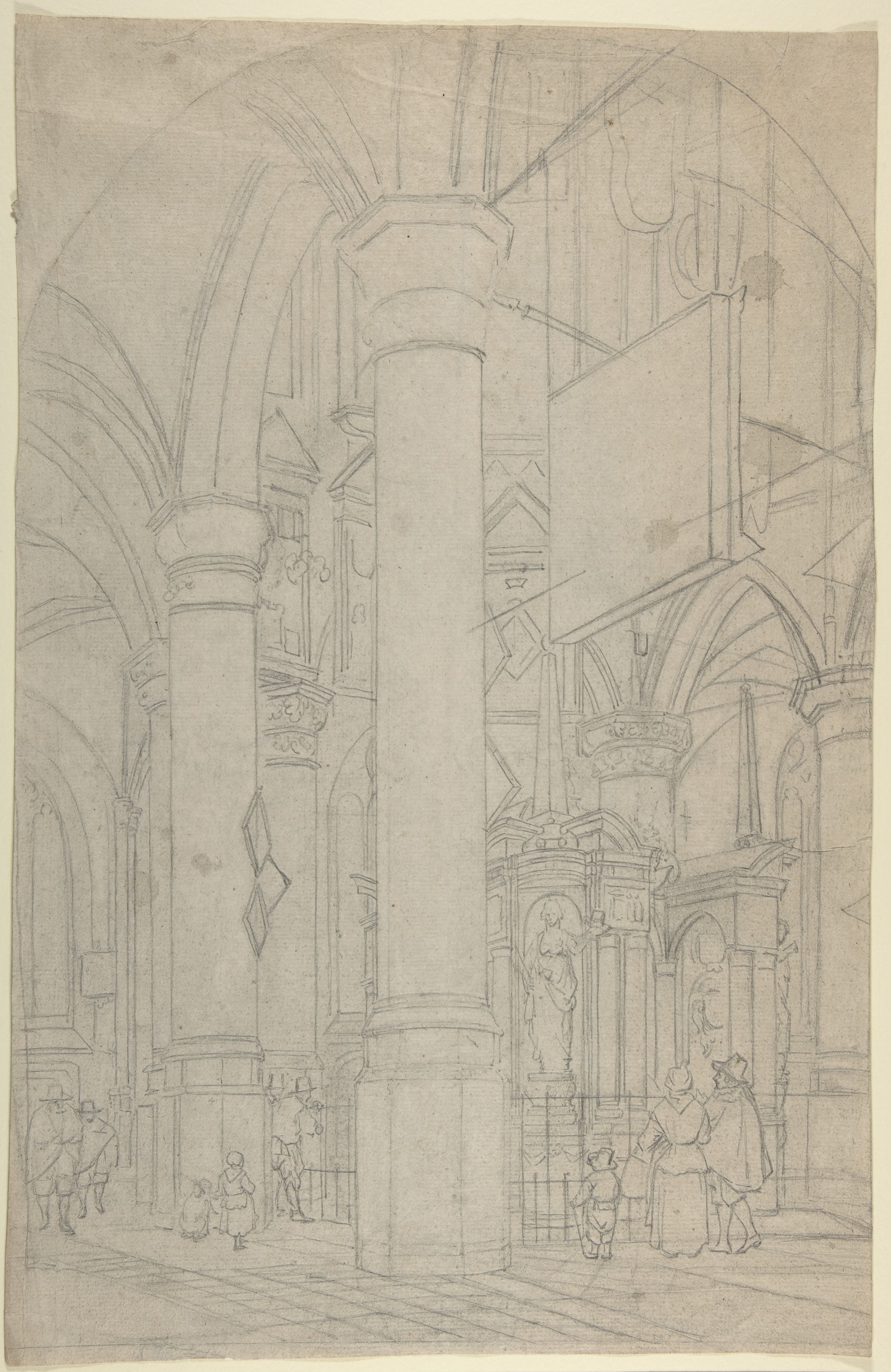
Interior of the New Church in Delft with the Tomb of William the Silent
Jan Hendrik Verheyen
More from the Renaissance


Explore what happened on the days that shaped William the Silent's life. Today In History connects historical figures with the events, births, and deaths that defined their era. Browse all historical figures or explore today's events.