

Historical Figure
Tiberius
42 BC–AD 37
Talk to Tiberius
Have a conversation with this historical figure through AI
Timeline
The story of Tiberius, told in moments.
Born Tiberius Claudius Nero in Rome. His mother Livia divorced his father and married Octavian (the future Augustus) when Tiberius was three. He grew up in the household of Rome's first emperor but always felt like an outsider.
Born Tiberius Claudius Nero in Rome. His father was a senator who backed the wrong side in the civil wars. The family fled Rome with baby Tiberius, hiding in Sicily and Greece.
His mother Livia divorced his father and married Octavian, the future Augustus. Tiberius was three. He was raised in the household of the most powerful man in Rome but never felt wanted there.
Proved himself as a military commander in Armenia, recovering the legionary standards lost to the Parthians. Then campaigned in Germania and Pannonia. He was a gifted general who preferred war to politics.
Conquered Pannonia and Dalmatia in brutal campaigns. His military record was impeccable. But Augustus kept passing him over as heir, preferring his grandsons Gaius and Lucius. Both died young.
Became emperor after Augustus's death, the designated heir by default. Already 55. Suspicious, withdrawn, and weary of politics. The Senate loathed him. He loathed them back.
Died at Misenum at 77. Some sources say he was smothered with a pillow by Caligula's ally Macro. Others say natural causes. Few mourned him. Caligula succeeded him immediately.
Died at Misenum at 77. Some said Caligula smothered him with a pillow. Others said he died naturally and Caligula's Praetorian guard simply announced it. The Senate refused to deify him.
Show full timeline (12 entries)
Retired suddenly to the island of Rhodes. Augustus had forced him to divorce his beloved wife Vipsania and marry Julia, Augustus's notoriously unfaithful daughter. Tiberius stayed on Rhodes for seven years.
Became emperor at 55 after Augustus's death. The Senate offered him power. He hesitated so long they grew angry. Tiberius was reluctant. Or performing reluctance. Ancient historians couldn't agree.
Withdrew to Capri, leaving Rome's administration to Sejanus, his prefect. Ruled by letter for 11 years. Ancient sources claimed debauchery on the island, though how much is true and how much is hostile gossip remains debated.
Withdrew permanently to Capri, ruling the empire by letter. Left Sejanus, his Praetorian prefect, in charge of Rome. The arrangement worked until Sejanus plotted against the imperial family. Tiberius had him arrested and executed in 31.
In Their Own Words (6)
Fear of this possibility in particular led Tiberius to ask the senate for any part in the administration that it might please them to assign him, saying that no one man could bear the whole burden without a colleague, or even several colleagues.
Variant translation (by Robert Graves): "Pray assign me any part in the government you please; but remember that no single man can bear the whole burden of Empire — I need a colleague, or perhaps several colleagues."
Variant translation: In a free state, both the tongue and the mind ought to be free.
In a free state there should be freedom of speech and thought.
Let me repeat, gentlemen, that a right-minded and true-hearted statesman who has had as much sovereign power placed in his hands as you have placed in mine should regard himself as the servant of the Senate; and often of the people as a whole; and sometimes of private citizens, too. I do not regret this view, because I have always found you to be generous, just, and indulgent masters.
Variant translation: Conscript Fathers, I have often said it both now and at other times, that a good and useful prince, whom you have invested with so great and absolute power, ought to be a slave to the senate, to the whole body of the people, and often to individuals likewise: nor am I sorry that I have said it. I have always found you good, kind, and indulgent masters, and still find you so.
Indeed, he was never without it; for he had raised beds made in frames upon wheels, by means of which the cucumbers were moved and exposed to the full heat of the sun; while, in winter, they were withdrawn, and placed under the protection of frames glazed with mirrorstone.
Pliny the Elder The Natural History 19, 23
My Lords, if I know what to tell you, or how to tell it, or what to leave altogether untold for the present, may all the gods and goddesses in Heaven bring me to an even worse damnation than I now daily suffer!
Variant translation: What to write to you, Conscript Fathers, or how to write, or what not to write at this time, may all the gods and goddesses pour upon my head a more terrible vengeance than that under which I feel myself daily sinking, if I can tell.
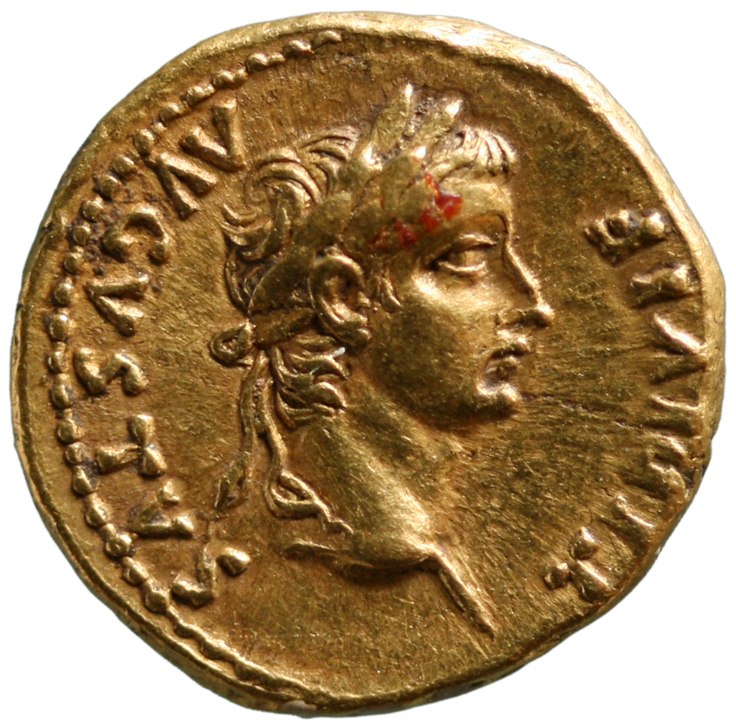
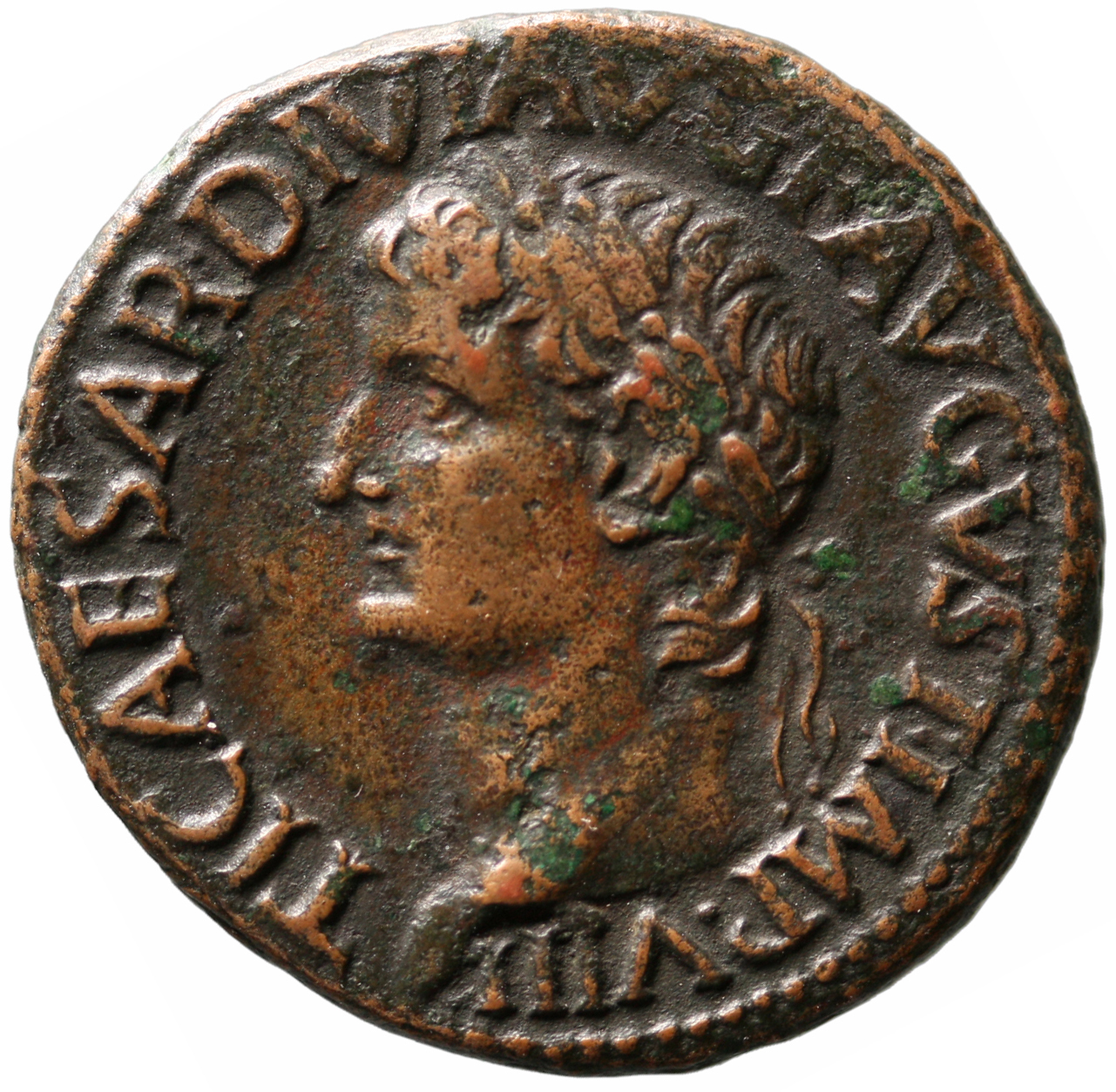
Artifacts (15)
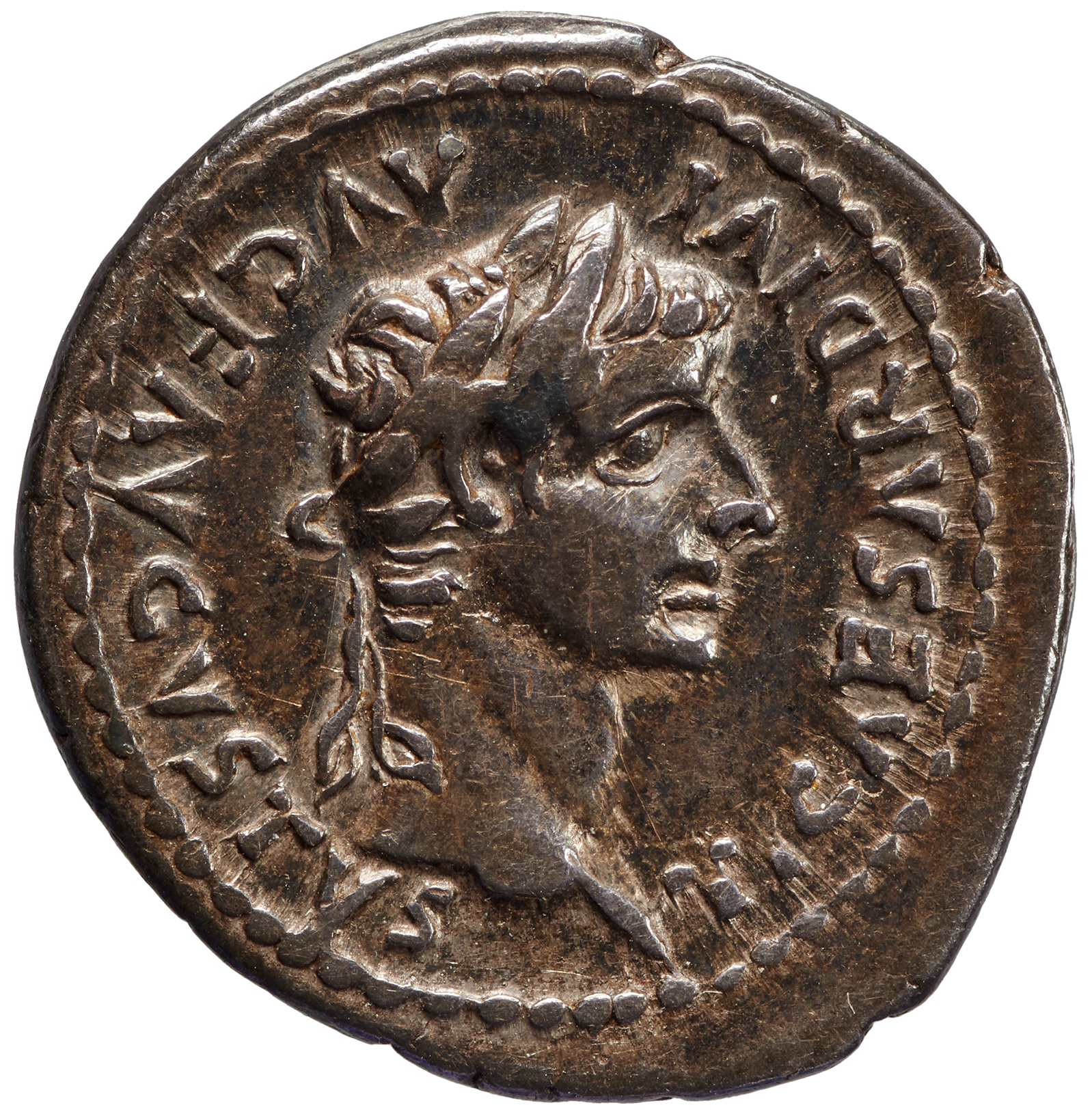


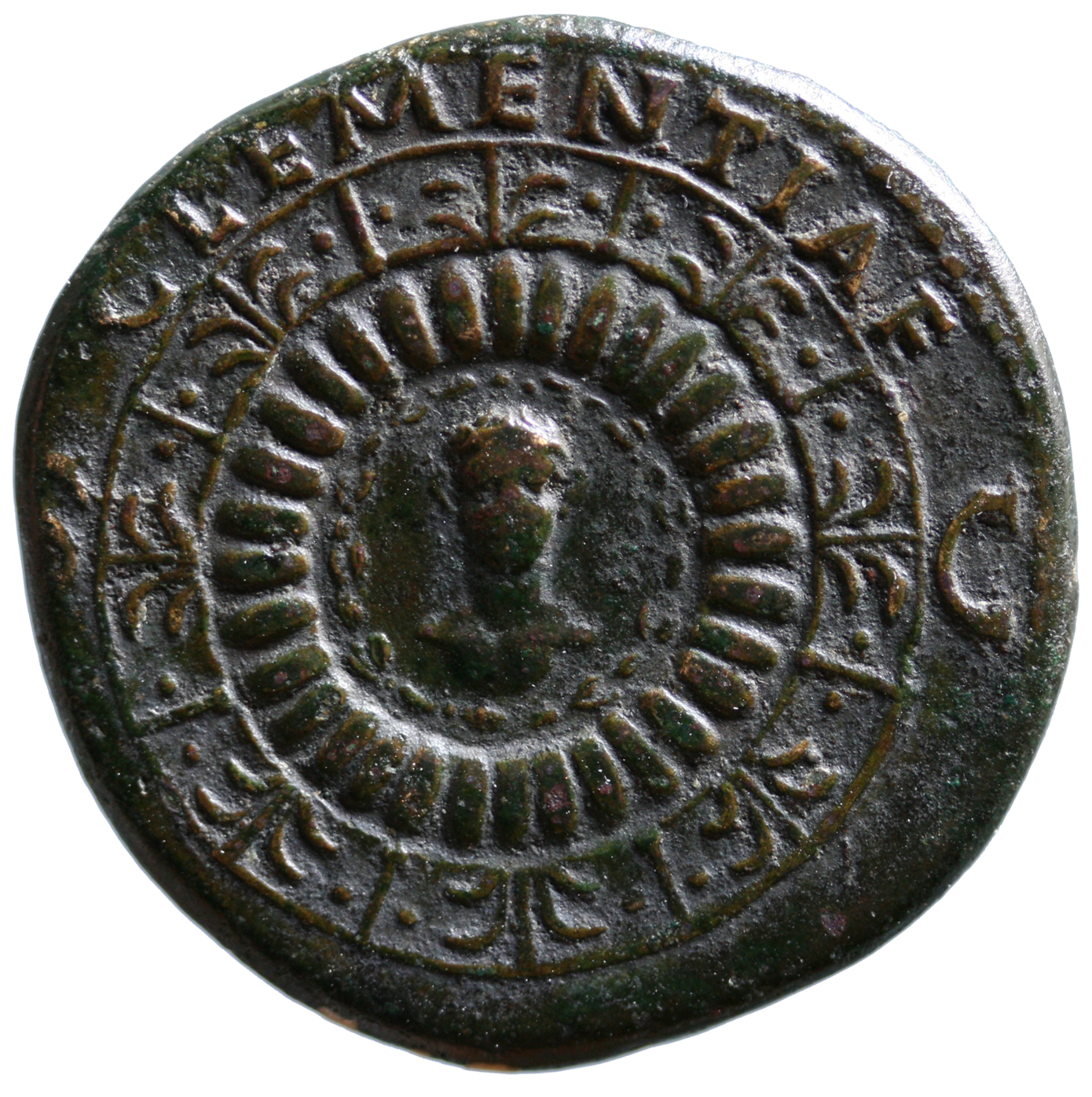
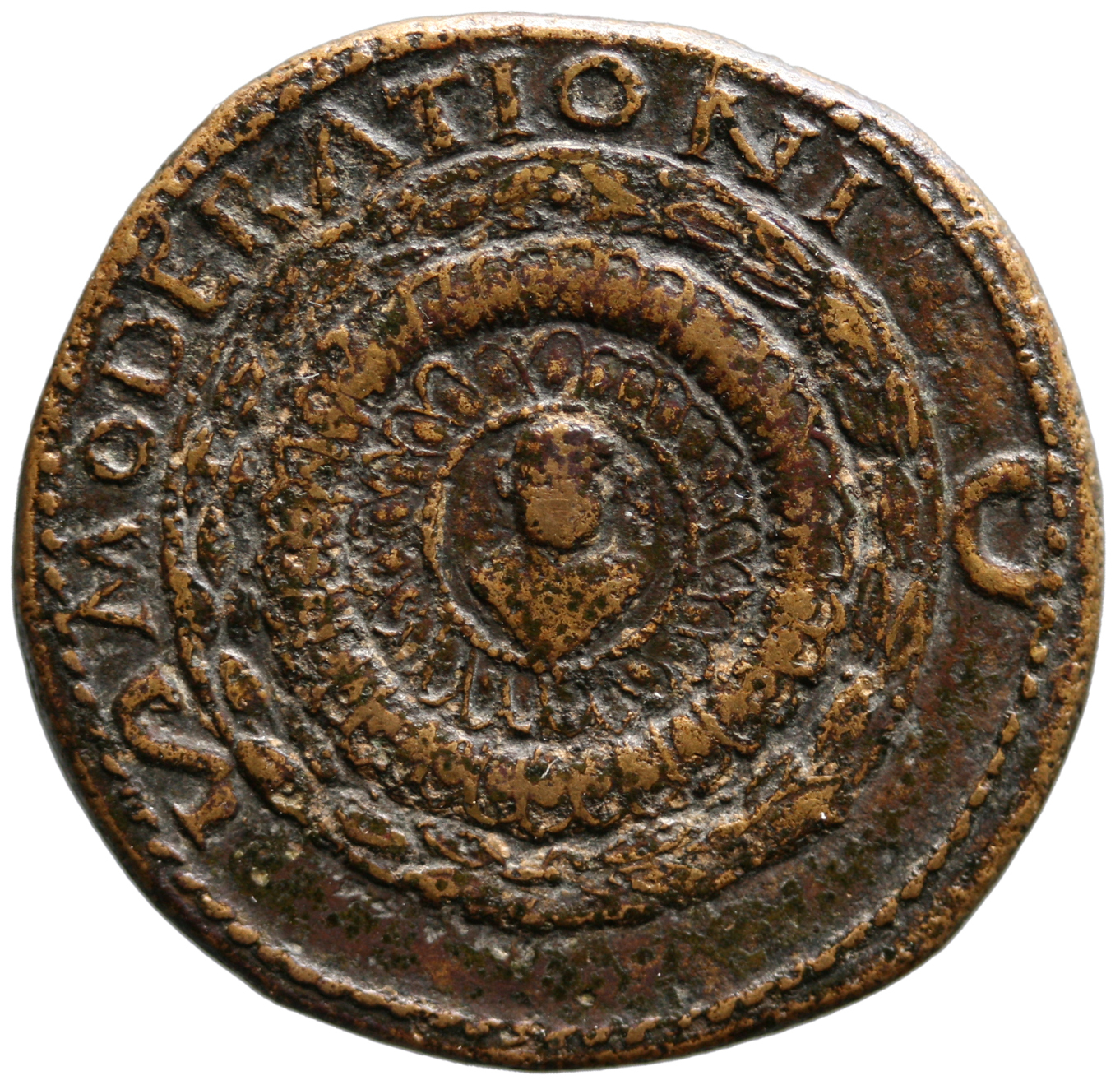
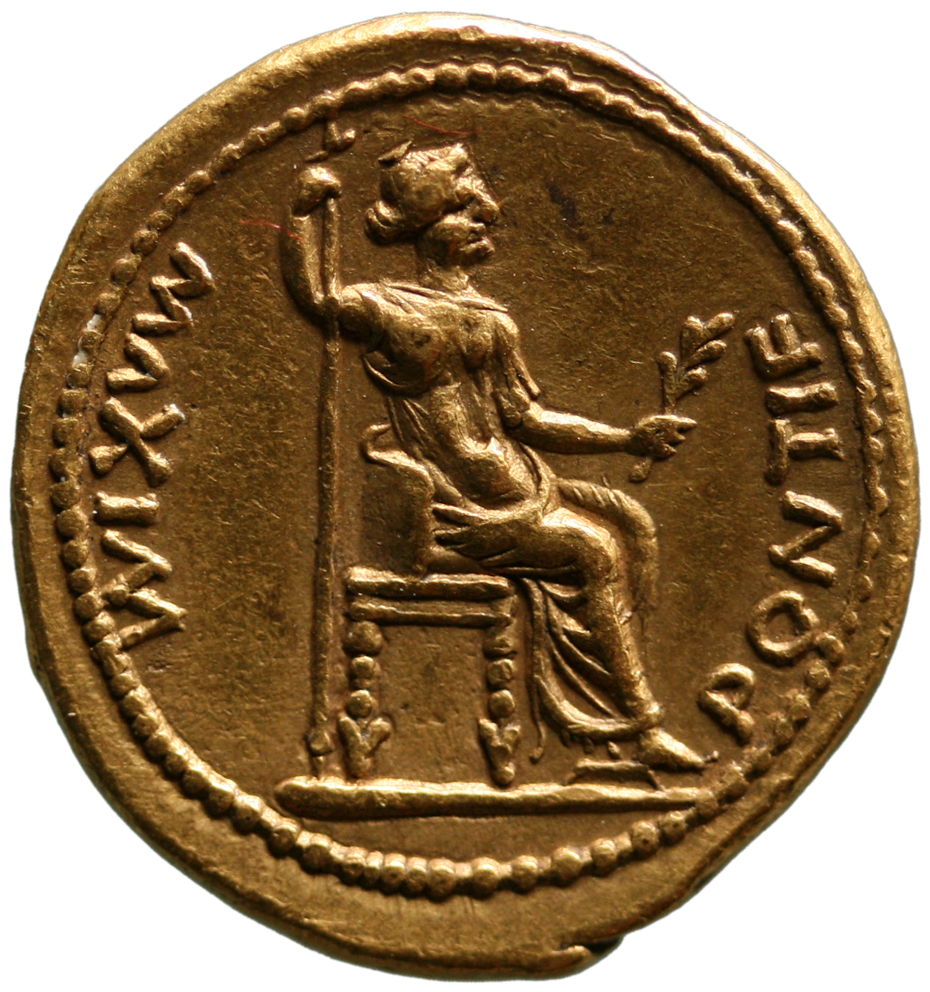
Related Historical Figures


Explore what happened on the days that shaped Tiberius's life. Today In History connects historical figures with the events, births, and deaths that defined their era. Browse all historical figures or explore today's events.